
New standards for 2026
Competition officials face a new reality in 2026. The National Speech and Debate Association (NSDA) and CrossFit are moving toward stricter certification requirements. Judging consistency has been a mess for years, and these updates aim to fix that by replacing informal experience with mandatory testing.
The push for unified standards comes from several places. Competitors are demanding more transparency and fairness, and frankly, they deserve it. Event organizers are also feeling the pressure to ensure a level playing field. Coordinating these changes now, while it’s a lot of work, will hopefully streamline things in the long run. It’s about building trust in the judging process and protecting the integrity of the competitions themselves.
This shift impacts anyone who judges – from seasoned veterans to newcomers. The days of learning on the job and relying on anecdotal experience are fading. A standardized, verifiable skillset is becoming the expectation. We'll break down the specifics of these changes, what they mean for you, and how to prepare. Ignoring this isn’t an option if you want to continue judging at a competitive level.
NSDA Accreditation: The New Baseline
The National Speech and Debate Association (NSDA) is rolling out a new accreditation system through its "NSDA Learn" platform. They've moved beyond simple training modules and are implementing tiered levels of accreditation. This means judges will need to demonstrate proficiency at increasingly complex levels to qualify for different competition types.
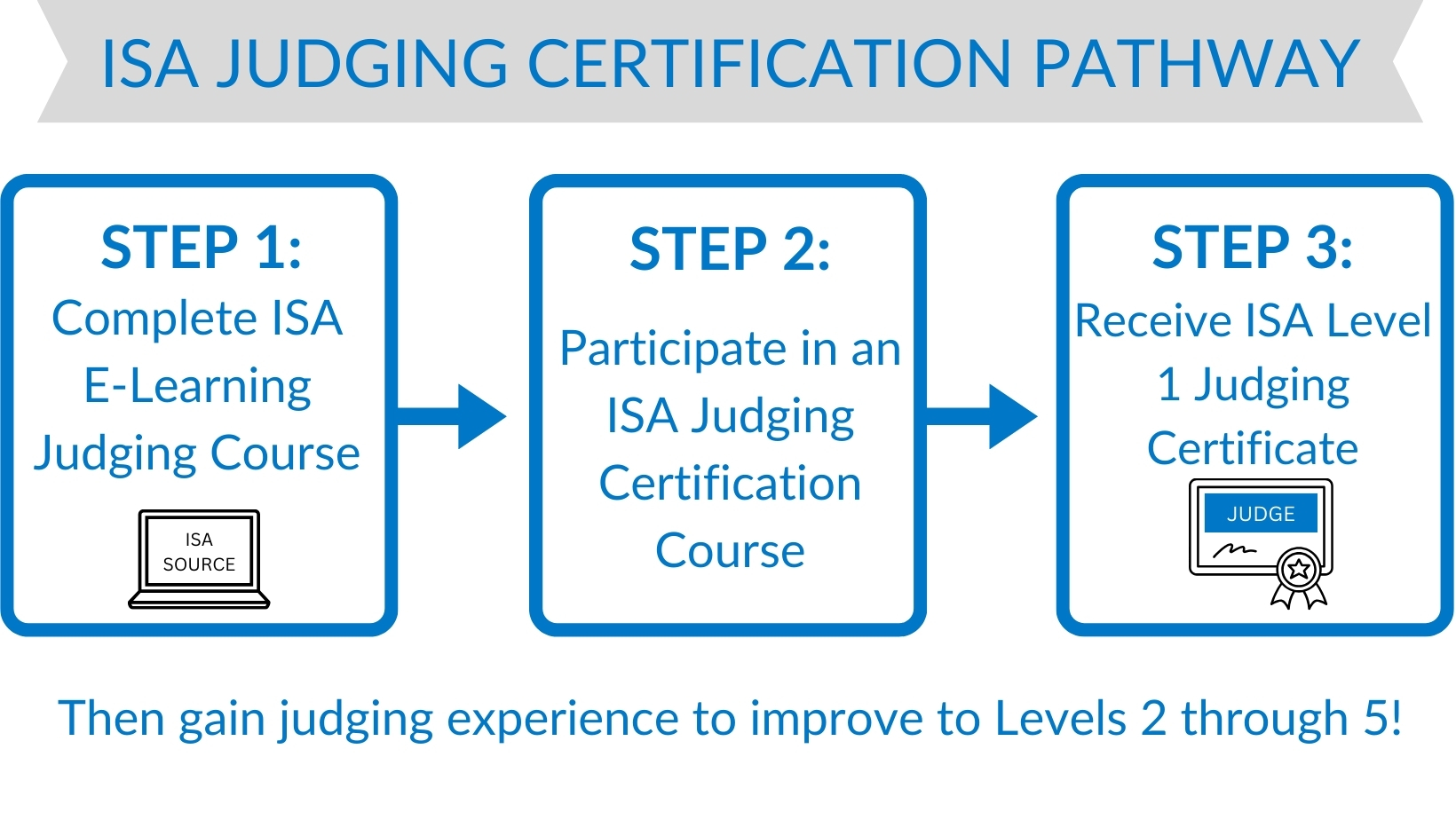
Currently, the NSDA outlines three main accreditation levels: Associate, Certified, and Premier. The Associate level serves as an entry point, focusing on foundational judging principles and basic rule knowledge. The Certified level requires a deeper understanding of event-specific criteria and the ability to apply them consistently. The Premier level is aimed at experienced judges who can mentor others and handle high-stakes competitions. Prerequisites for each level involve completing specific online courses and passing assessments.
The NSDA hasn't announced a blanket grandfathering policy yet. Most judges will likely need to re-certify, though prior experience might count toward certain credits. Associate level fees are estimated between $25 and $50, while Premier certification could exceed $150.
The NSDA is placing a strong emphasis on ongoing education. Maintaining accreditation will likely involve periodic refresher courses and demonstrated activity – meaning you’ll need to actually judge events to keep your credentials current.
- Associate Level: Foundational principles, basic rules.
- Certified Level: Event-specific criteria, consistent application.
- Premier Level: Mentorship, high-stakes competitions.
CrossFit Judges Course: Emphasis on Safety
CrossFit’s 2026 Judges Course is undergoing a major revamp, with a heightened focus on athlete safety. The sport has evolved, and judging standards need to keep pace. This isn’t just about knowing the movements; it’s about recognizing potential risks and intervening before someone gets hurt.
The new course materials emphasize understanding movement standards in detail. Judges will be expected to identify and address issues like improper form, fatigue-related breakdowns, and potential equipment failures. They’re also introducing new protocols for managing medical emergencies and communicating effectively with athletes and medical personnel. This is a significant departure from previous courses, which were more focused on scoring and ranking.
The 2026 course is available online for $100 and provides 2 Continuing Education Units (CEUs). Expect a heavy focus on live simulations, as CrossFit is moving toward stricter accountability for movement standards rather than just scorekeeping.
The cost of the course is currently listed at $100, but that could change. It's a reasonable investment considering the responsibility judges carry.
Bias and communication
Regardless of the specific organization or competition, certain core skills are essential for effective judging. These include a keen awareness of your own biases, the ability to apply rules consistently, the capacity to provide constructive feedback, and an unwavering commitment to impartiality. It sounds simple, but it’s surprisingly difficult in practice.
Let’s be honest – everyone has biases. We all have preferences and preconceived notions. The key is recognizing those biases and actively working to mitigate their impact on your judgments. This requires self-reflection, a willingness to challenge your own assumptions, and a commitment to objectivity. It’s a continuous process, not a one-time fix.
Clear communication is also vital. Competitors need to understand why they received a particular score or ranking. Vague or unhelpful feedback is frustrating and doesn’t help anyone improve. Constructive criticism should be specific, actionable, and focused on performance, not personality. Maintaining impartiality is paramount. You’re there to evaluate the performance, not to root for a particular competitor or team.
Rubrics and tie-breaking
Scoring systems vary wildly across different competitions. Some use ranking systems, where judges simply order competitors from best to worst. Others employ point-based systems, assigning numerical values to specific criteria. Still others are experimenting with comparative judgment, where judges evaluate competitors relative to one another. Each method has its own strengths and weaknesses.
Ranking systems are simple to understand but can be subjective and prone to errors. Point-based systems offer more granularity but require well-defined rubrics. Comparative judgment can be effective for identifying subtle differences in performance but can be time-consuming and challenging for judges. The best system depends on the specific competition and its goals.
A well-designed rubric is crucial for ensuring consistency and fairness. It should be clear, objective, and easy for judges to apply. Avoid vague language and subjective terms. Instead, focus on observable behaviors and measurable outcomes. For example, instead of saying “good technique,” specify “maintained a consistent spine angle throughout the movement.”
Ties and close calls are inevitable. Have a clear tie-breaking procedure in place, and be prepared to justify your decisions. Don't be afraid to ask for a second opinion if you're unsure. Transparency is key – explain your reasoning to the competitors involved.
Scoring Method Comparison for Competition Judging
| Method | Ease of Implementation & Training | Subjectivity/Objectivity | Best Suited For | Potential Challenges |
|---|---|---|---|---|
| Ranking | Generally straightforward to explain; minimal training needed. | Higher potential for subjectivity, especially with large fields. Relies on overall impression. | Competitions with clear, easily comparable entries (e.g., simple beauty pageants, straightforward art shows). | Difficulty resolving ties; can be less informative about *why* one entry is preferred. |
| Point-Based Rubric | Moderate implementation effort; requires detailed rubric creation & judge training on rubric application. | Aims for objectivity through defined criteria, but interpretation of criteria can still introduce subjectivity. | Competitions where specific skills/elements can be clearly defined and weighted (e.g., science fairs, baking contests). | Rubric creation is time-consuming; potential for 'gaming' the rubric; judges may focus on checklist items rather than holistic quality. |
| Comparative Judgment | Requires more initial training to understand the process. Software/platform often used. | Designed to *reduce* bias by focusing on pairwise comparisons; relies on collective judgment. | Competitions with complex, nuanced entries where defining specific criteria is difficult (e.g., creative writing, musical performance, design). | Can be slower than other methods; requires a sufficient number of judges for reliable results; may not be ideal for very large entry fields. |
| Holistic Scoring | Relatively easy to implement, but requires experienced judges. | Highly subjective; relies on the judge's overall impression and expertise. | Situations where qualitative aspects are paramount and detailed criteria are less important (e.g., judging improvisational performances, assessing artistic merit). | Lack of transparency; difficult to provide constructive feedback; potential for significant inter-judge variability. |
| Modified Ranking (Top X%) | Simple to understand and apply after initial ranking. | Still relies on initial ranking which can be subjective, but focuses evaluation. | Useful for narrowing down a large field to a smaller set of finalists. | Arbitrary cut-off point; doesn't provide detailed feedback on entries outside the top percentage. |
| Blind Review (with any method) | Adds a step to the process, but compatible with most scoring methods. | Increases objectivity by removing potential bias related to entrant identity. | Any competition where entrant background might influence judgment. | Requires careful administration to maintain blindness; can be difficult in some contexts (e.g., live performances). |
Qualitative comparison based on the article research brief. Confirm current product details in the official docs before making implementation choices.
Resources and Support Networks
Navigating these changes can be daunting. Fortunately, there are numerous resources available to help judges stay informed and connected. The NSDA website () is a great starting point for information on accreditation and training. The CrossFit website () provides details on the 2026 Judges Course and related resources.
Online forums and social media groups can also be valuable sources of support and information. Look for groups specifically dedicated to competition judging in your area of expertise. These communities can provide a platform for sharing best practices, asking questions, and networking with fellow judges.
Don’t hesitate to reach out to the organizations directly if you have questions or concerns. They typically have dedicated support staff available to assist judges. Remember, you’re not alone in this process. A strong community of judges is essential for maintaining the integrity and fairness of competitions.
- NSDA Learn portal for accreditation tracking
- CrossFit Training site for the 2026 Judges Course
- Toastmasters: (PDF resource)
No comments yet. Be the first to share your thoughts!