
The shift to hybrid contests
Since 2020, hybrid contests have become the standard. Organizers now have to balance the experience for people in the room with those joining from a laptop. This means finding ways to keep judging fair when your panel is spread across different time zones and ensuring remote participants don't feel like an afterthought.
These aren't just logistical hurdles; they demand a new toolkit. Spreadsheets and basic video conferencing aren’t going to cut it anymore. Specialized contest organization tools are essential for streamlining workflows, protecting data, and creating a positive experience for everyone involved. The increasing focus on event technology is evidenced by initiatives like the 2026 Tools Competition, which highlights innovative solutions for learning and competition spaces.
The 2026 Tools Competition, as reported on tools-competition.org, demonstrates a clear industry trend: a desire to improve the tools available for managing complex events. This competition isn’t just about flashy new features; it's about solutions that address the core needs of organizers and participants, making events more accessible, equitable, and engaging. This year’s focus on K-12, postsecondary, and dataset tracks signals a broadening application of these technologies.

Ten tools for 2026
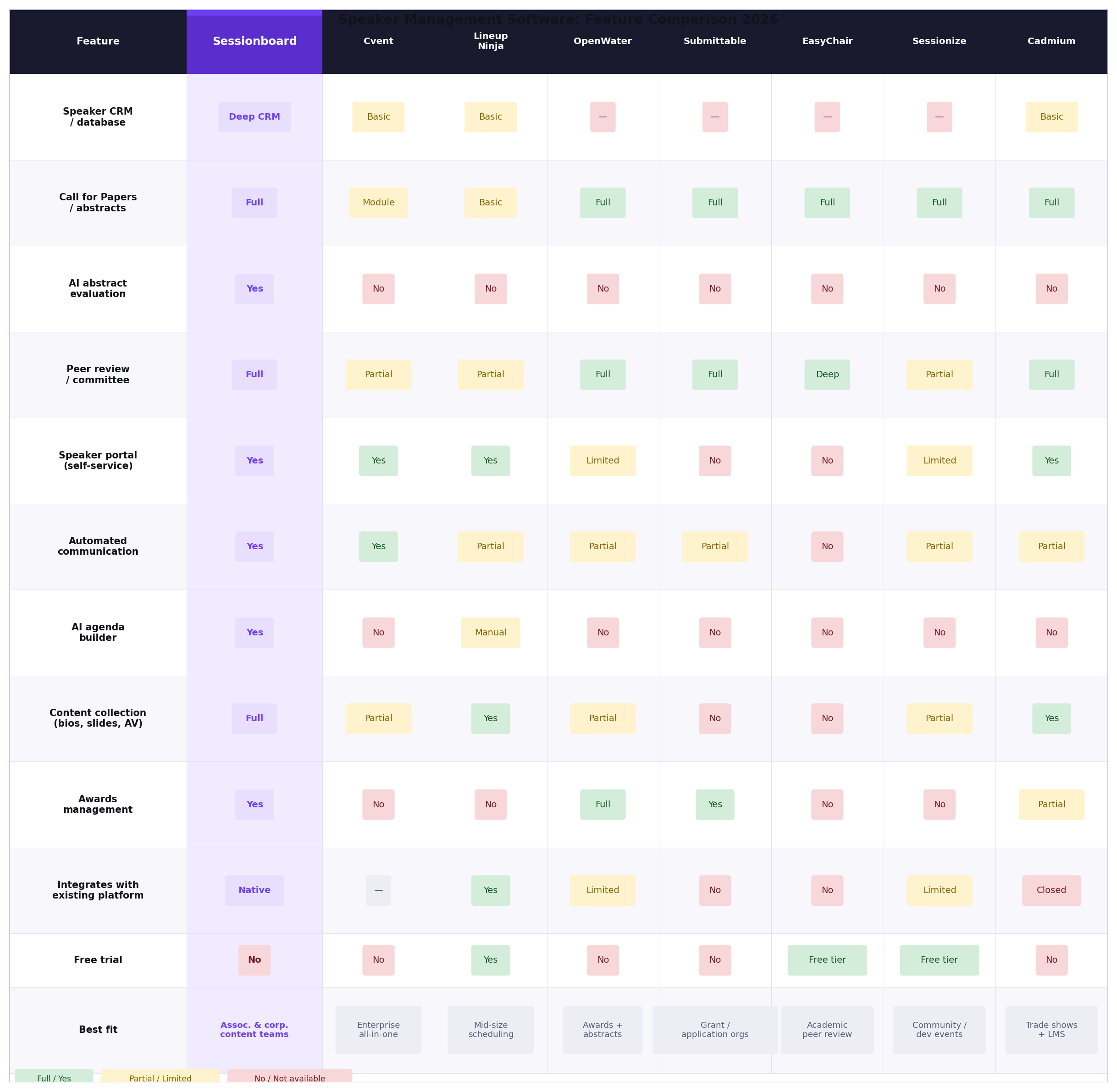
These ten platforms handle virtual judging, scoring, and attendee communication. Prices change often, so these figures reflect the market in late 2024.
1. Eventbrite (with virtual event add-ons): While primarily known for ticketing, Eventbrite has expanded its capabilities to include virtual event hosting. Their add-ons allow for basic live streaming and Q&A sessions. Pricing: Varies based on event size and features, typically a percentage of ticket sales plus a per-ticket fee. Limitations: Lacks specialized contest features like blind judging or rubric-based scoring.
2. Hopin (hybrid event platform): Hopin is a dedicated hybrid event platform offering a complete suite of tools, including stages, sessions, networking, and expo areas. It’s well-suited for larger contests with multiple tracks. Pricing: Subscription-based, with plans starting around $99/month. Limitations: Can be complex to set up and manage for smaller events.
3. Whova (event management with contest features): Whova stands out with its built-in contest and gamification features, making it ideal for events that want to encourage participation and engagement. It also offers robust networking capabilities. Pricing: Per-event pricing, based on the number of attendees. Limitations: May not be as flexible as dedicated virtual judging platforms.
4. Airmeet (virtual and hybrid events): Airmeet focuses on creating interactive and engaging virtual experiences, with features like breakout rooms, virtual tables, and a social lounge. It’s a good choice for contests that prioritize networking and collaboration. Pricing: Subscription-based, with plans starting around $99/month. Limitations: Limited customization options.
5. Cvent (enterprise event management): Cvent is a powerful, enterprise-level platform that offers a wide range of features for event planning, registration, and execution. It’s best suited for large, complex contests with significant budgets. Pricing: Custom pricing, typically requiring a contract. Limitations: Can be expensive and overwhelming for smaller organizations.
6. Remo (virtual event networking platform): Remo excels at recreating the feel of an in-person networking event with its virtual floor plan and table-based interactions. It’s a great option for contests that want to facilitate connections between participants and judges. Pricing: Subscription-based, with plans starting around $79/month. Limitations: Not designed for formal judging or scoring.
7. BigMarker (virtual event and webinar platform): BigMarker provides a flexible platform for hosting webinars, virtual summits, and online events. It offers features like interactive polls, Q&A sessions, and breakout rooms. Pricing: Subscription-based, with plans starting around $99/month. Limitations: Limited support for complex contest formats.
8. Hubilo (hybrid event experience platform): Hubilo aims to create immersive hybrid event experiences with features like virtual stages, networking lounges, and interactive exhibits. It’s a good choice for contests that want to create a visually appealing and engaging event. Pricing: Custom pricing, based on event size and features. Limitations: Can be expensive for smaller events.
9. Zoom Events (integrated with Zoom ecosystem): Zoom Events leverages the familiar Zoom interface and integrates seamlessly with other Zoom services. It offers features like registration, ticketing, and event analytics. Pricing: Add-on to existing Zoom subscriptions. Limitations: Less specialized for contest-specific needs than dedicated platforms.
10. Microsoft Teams Live Events (with PowerApps integration): Microsoft Teams Live Events allows you to broadcast live events to a large audience. Integrating with PowerApps allows for some customization and data collection, but requires development expertise. Pricing: Included with Microsoft 365 subscriptions. Limitations: Requires technical expertise and may not be suitable for all contest formats.
Featured Products

Stunning 4K video quality · Built-in noise-cancelling microphone · Automatic light correction for clear visuals
Ensure judges have a crystal-clear view and audio, whether they're in the room or joining remotely, for a fair and professional experience.

World-class noise cancellation · Comfortable, lightweight design · Long-lasting battery life
Keep judges focused and immersed in the contest, eliminating distractions from either the event space or their remote environment.

Large 18-inch LED ring light · Adjustable brightness and color temperature · Includes stand and phone holder
Provide professional-quality lighting for judges and participants alike, ensuring everyone looks their best on camera for both in-person and virtual interactions.
As an Amazon Associate I earn from qualifying purchases. Prices may vary.
Remote judging and evaluation
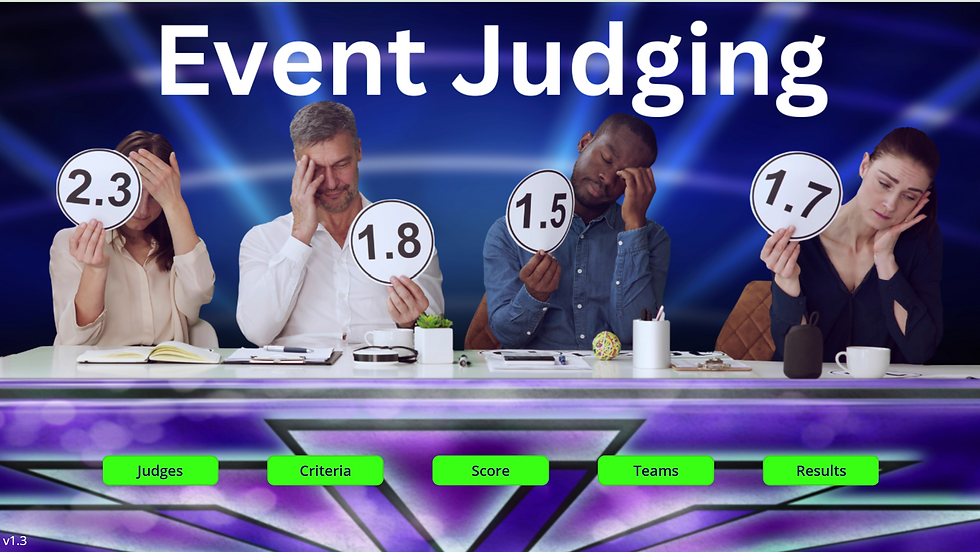
When judging can’t happen in a single room, a robust virtual judging platform is non-negotiable. These platforms go beyond simple video conferencing; they offer features specifically designed for fair and efficient evaluation. Blind judging, where judges don’t know the identity of the participants, is a critical component for minimizing bias. Rubric-based scoring ensures consistency and transparency, while real-time collaboration tools allow judges to discuss entries and reach consensus.
Security is paramount. A good platform will have measures in place to prevent cheating, such as preventing judges from accessing entries outside of the designated judging window or using IP address tracking to identify potential irregularities. Look for platforms that offer role-based access control, so organizers can restrict access to sensitive information. The ability to audit judging activity is also important for maintaining integrity.
The need for flexibility is key. Some contests, like science fairs, require highly structured judging with pre-defined criteria. Others, like art competitions, might benefit from a more freeform evaluation process. The best platforms allow you to customize the judging workflow to fit your specific needs. Integration with other contest organization tools – such as event registration and communication platforms – can streamline the entire process. For example, some platforms allow direct import of participant data, eliminating the need for manual entry.
Communication hubs
A contest isn't just about the judging; it’s about building a community. Effective communication and collaboration are essential for keeping participants, judges, and organizers connected. Dedicated event apps, like those offered by Whova, provide a central hub for announcements, schedules, and networking opportunities. Integrations with platforms like Slack can facilitate real-time communication and Q&A sessions.
Clear communication channels are vital. A dedicated forum or discussion board allows participants to ask questions, share ideas, and provide feedback. Regular updates and announcements keep everyone informed about important deadlines and changes. The ability to send targeted messages to specific groups – such as judges or participants in a particular category – can improve efficiency.
Building excitement and engagement is especially important for remote participants. Virtual networking events, online workshops, and social media contests can help foster a sense of community. Gamification features, such as leaderboards and badges, can encourage participation and friendly competition. A well-designed communication strategy will ensure that everyone feels involved, regardless of their location.
Managing scores and results
Beyond simply tallying scores, effective scoring and results management tools offer features for complex ranking systems and detailed reporting. Weighted scoring allows you to assign different levels of importance to different judging criteria. Automated calculations eliminate the risk of human error and save time. Customizable reports allow you to present the results in a clear and concise manner.
Transparency is crucial. Participants should have access to information about how their entries were evaluated, including the judging criteria and the scores they received. This builds trust and ensures fairness. The ability to export data in various formats – such as CSV or Excel – allows for further analysis and reporting.
Handling tiebreakers can be tricky. A good tool will offer a variety of options, such as using a secondary judging criterion or conducting a head-to-head comparison. The ability to track judging history and audit scores is also important for resolving disputes. Ultimately, the goal is to ensure that the results are accurate, fair, and defensible.

No comments yet. Be the first to share your thoughts!