
The shift in 2026 judging
Event organizers in 2026 are dealing with higher venue costs and tighter budgets. This shift makes the old model of flying in a full panel of judges harder to justify. We're seeing a move toward leaner, more flexible evaluation systems that don't require everyone to be in the same room.
We’ve seen a significant rise in virtual and hybrid events since 2020, and that trend isn’t slowing down. This isn’t simply about convenience; it’s about scalability and reaching wider audiences. But with this shift comes a need for judging solutions that are reliable, secure, and can accommodate diverse event formats. It's no longer enough to simply replicate an in-person judging process online.
The volume of competitions across various fields – from art and design to science and technology – is also increasing. This means more entries to evaluate, more judges to manage, and a greater need for efficient and fair evaluation processes. The old ways of running judging panels, often relying on spreadsheets and manual scoring, simply won't cut it. We need tools and strategies designed for this new reality.

Why physical presence still matters
Physical events allow judges to debate entries in real-time without the lag of a Zoom call. These side conversations often catch details—like the texture of a physical model or the stage presence of a performer—that a camera lens flattens.
The atmosphere of the event itself plays a role. Judges can get a better sense of the context surrounding the entries, which can inform their scoring. For certain types of competitions – like live cooking shows or theatrical performances – a physical presence is essential, as immediate feedback and interaction are crucial. It’s difficult to truly assess a live performance through a livestream.
Networking is another significant benefit. In-person events provide opportunities for judges and organizers to connect, share knowledge, and build relationships. This can lead to future collaborations and a stronger sense of community. There’s also a perceived legitimacy that some still associate with in-person judging. Some participants and stakeholders simply trust a process that involves a physical presence more than a remote one.
- Spontaneous debate: Judges can challenge each other's scores immediately.
- Event Atmosphere: Provides crucial context for evaluation.
- Networking Opportunities: Builds connections and fosters community.
- Perceived Legitimacy: Offers a sense of trust and transparency.
Events Favoring In-Person Judging
- Live Performance Competitions - The energy of a live act (music, dance, theater) and immediate audience reaction are difficult to replicate virtually, making in-person judging crucial for assessing stage presence and impact.
- Culinary Arts Contests - Judging requires sensory evaluation – taste, texture, aroma, and presentation. While video submissions can help, in-person evaluation allows for immediate feedback and accurate assessment of food quality.
- Wine & Spirit Tastings - Nuances in flavor profiles and aromas are best appreciated through direct sensory experience. In-person judging is standard for competitions like the San Francisco World Spirits Competition.
- Live Coding Challenges - Assessing coding skills isn’t just about the final product; it’s about problem-solving *process*. In-person events, like those organized by Coderbyte, allow judges to observe a coder’s approach and reasoning in real-time.
- Art Exhibitions & Juried Shows - The impact of scale, texture, and the artist’s intent are often lost in digital reproductions. In-person judging, as seen at events like the Venice Biennale, allows for a comprehensive evaluation.
- Welding & Fabrication Competitions - Assessing the quality of welds, the precision of cuts, and the structural integrity of fabricated pieces demands a physical inspection. SkillsUSA competitions exemplify this need.
- Science Fairs (Physical Projects) - While virtual presentations are useful, judging projects involving physical models, experiments, or prototypes benefits greatly from hands-on examination and direct interaction with the student.
Scaling through virtual panels
Virtual judging’s biggest advantage is its scalability. You can recruit judges from anywhere in the world, regardless of location, opening up access to a much larger pool of expertise. This is especially valuable for niche competitions or those requiring judges with highly specialized skills. Finding a specialist in a remote field is far easier when geography isn’t a barrier.
Platforms like RocketJudge are designed to streamline the virtual judging process, handling everything from submission management and scoring to communication and reporting. These platforms dramatically reduce the costs associated with travel, accommodation, and venue space, making competitions more affordable to run. This cost savings can be passed on to participants or reinvested in other areas of the event.
Virtual judging removes the travel barrier for participants. A small design competition in Ohio can now recruit a specialist from Tokyo without a $3,000 travel bill. This setup works best when the platform includes encrypted entry handling to prevent leaks before the winners are announced.
The ability to easily collect and analyze data is another key benefit. Virtual platforms provide detailed reports on judging scores, trends, and feedback, which can be used to improve future events.
Mixing remote and local judges
Hybrid judging models attempt to combine the best aspects of both in-person and virtual judging. This can take many forms, but generally involves a mix of judges participating remotely and a core group evaluating entries in person. The key is to thoughtfully design the process to leverage the strengths of each approach.
One common setup involves having a smaller, core group of in-person judges who provide initial evaluations, while remote judges provide supplemental scores or focus on specific criteria. Another approach is to have fully distributed judging panels, with all judges participating remotely but collaborating in real-time through video conferencing and shared scoring platforms. It’s not just about can you do it, but should you?
A hybrid approach can be particularly effective for large-scale competitions with a diverse range of entries. It allows you to benefit from the expertise of both local and international judges, while still maintaining a physical presence for certain aspects of the evaluation process. Platforms like Submittable offer features that can support hybrid workflows, such as flexible submission management and customizable scoring rubrics.
Logistical challenges are a major consideration. Ensuring seamless communication and collaboration between in-person and remote judges requires careful planning and the right technology. You also need to address potential issues related to time zones, internet connectivity, and access to necessary materials.
Judging Method Comparison: In-Person, Virtual, & Hybrid (2026 Outlook)
| Criteria | In-Person | Virtual | Hybrid |
|---|---|---|---|
| Cost | Generally Higher (travel, venue) | Generally Lower (reduced travel) | Moderate - balances some travel with digital tools |
| Scalability | Limited by venue capacity & judge availability | Better for large applicant pools; wider geographic reach | Good - can accommodate many entries with focused in-person rounds |
| Judge Availability | Geographic limitations can be a factor | Wider pool of potential judges; flexibility in scheduling | Increased options; combines convenience with personal interaction |
| Security | Physical security measures easier to control | Requires robust platform security; potential for digital tampering | Combines physical safeguards with digital monitoring |
| Perceived Fairness | Often seen as more 'authentic' due to direct interaction | Reliance on platform integrity; potential for bias concerns if not managed well | Aims to leverage benefits of both, potentially increasing trust |
| Logistical Complexity | Higher - venue booking, travel arrangements, on-site support | Moderate - platform setup, technical support for judges | Highest - managing both physical and digital components |
| Suitability - Creative Fields (Art, Design) | Better for nuanced evaluation of physical work | Acceptable with high-quality digital submissions; potential limitations | Ideal - preliminary digital screening followed by in-person final judging |
| Suitability - Technical Competitions (Coding, Robotics) | Good for hands-on demonstrations and troubleshooting | Well-suited for review of code or remote operation of robots | Effective for combining remote code review with in-person robot performance |
Qualitative comparison based on the article research brief. Confirm current product details in the official docs before making implementation choices.
Judging Platform Features to Prioritize
Regardless of whether you choose an in-person, virtual, or hybrid model, the judging platform is critical. Secure submission handling is paramount – you need a system that protects the confidentiality of entries and prevents unauthorized access. Blind judging capabilities are also essential, ensuring that judges evaluate entries based solely on their merits, without knowing the identity of the creator.
Customizable scoring rubrics allow you to define clear and consistent evaluation criteria. Real-time collaboration tools facilitate communication and discussion among judges, while robust reporting and analytics provide valuable insights into the judging process. Integration with existing event management systems streamlines workflows and reduces administrative overhead.
User experience is often overlooked, but it’s crucial for both judges and administrators. The platform should be intuitive and easy to use, even for those with limited technical skills. A clunky or confusing interface can lead to errors, frustration, and ultimately, a less accurate evaluation. A good platform will also offer excellent customer support.
- Secure Submission Handling: Protects entry confidentiality.
- Blind scoring: Hiding creator names to prevent favoritism.
- Customizable Scoring Rubrics: Defines clear criteria.
- Real-time Collaboration Tools: Facilitates communication.
- Robust Reporting & Analytics: Provides valuable insights.
Security and Fairness: Mitigating Risks
Maintaining the integrity of the judging process is non-negotiable. In a virtual environment, it’s especially important to address potential risks related to collusion, bias, and cheating. Measures to prevent collusion include assigning multiple judges to each entry and using IP address tracking to identify potential conflicts of interest.
To mitigate bias, consider using standardized scoring rubrics and providing judges with training on unconscious bias. Verifying judge qualifications is also essential – ensure that judges have the necessary expertise and experience to evaluate entries fairly. Time limits for scoring can prevent judges from spending too much time on a single entry, which could introduce bias.
It’s not enough to simply have a platform; you need to actively manage the judging process. Regularly monitor scoring patterns for anomalies and investigate any suspicious activity. Implement clear guidelines for judges and enforce them consistently. Transparency is key – make the judging criteria and process publicly available to all participants.
Standout Platforms and Emerging Trends
Several platforms are gaining traction in the event judging space. RocketJudge stands out for its mobile judging capabilities, allowing judges to score entries directly from their smartphones or tablets. This is particularly useful for events where judges are actively moving around, such as live performances or trade shows.
Submittable offers a more comprehensive event management solution, with features that extend beyond judging to include submission management, grant applications, and corporate social responsibility programs. This makes it a good choice for organizations that need a unified platform for managing all aspects of their events.
Looking ahead, AI-assisted judging is an emerging trend worth watching. AI can be used to help with initial screening of entries, identify potential biases in scoring, or provide judges with data-driven insights. However, it’s crucial to remember that AI should augment human judgment, not replace it. Blockchain-based judging is another interesting development, offering increased transparency and security through the use of distributed ledger technology.
Featured Products
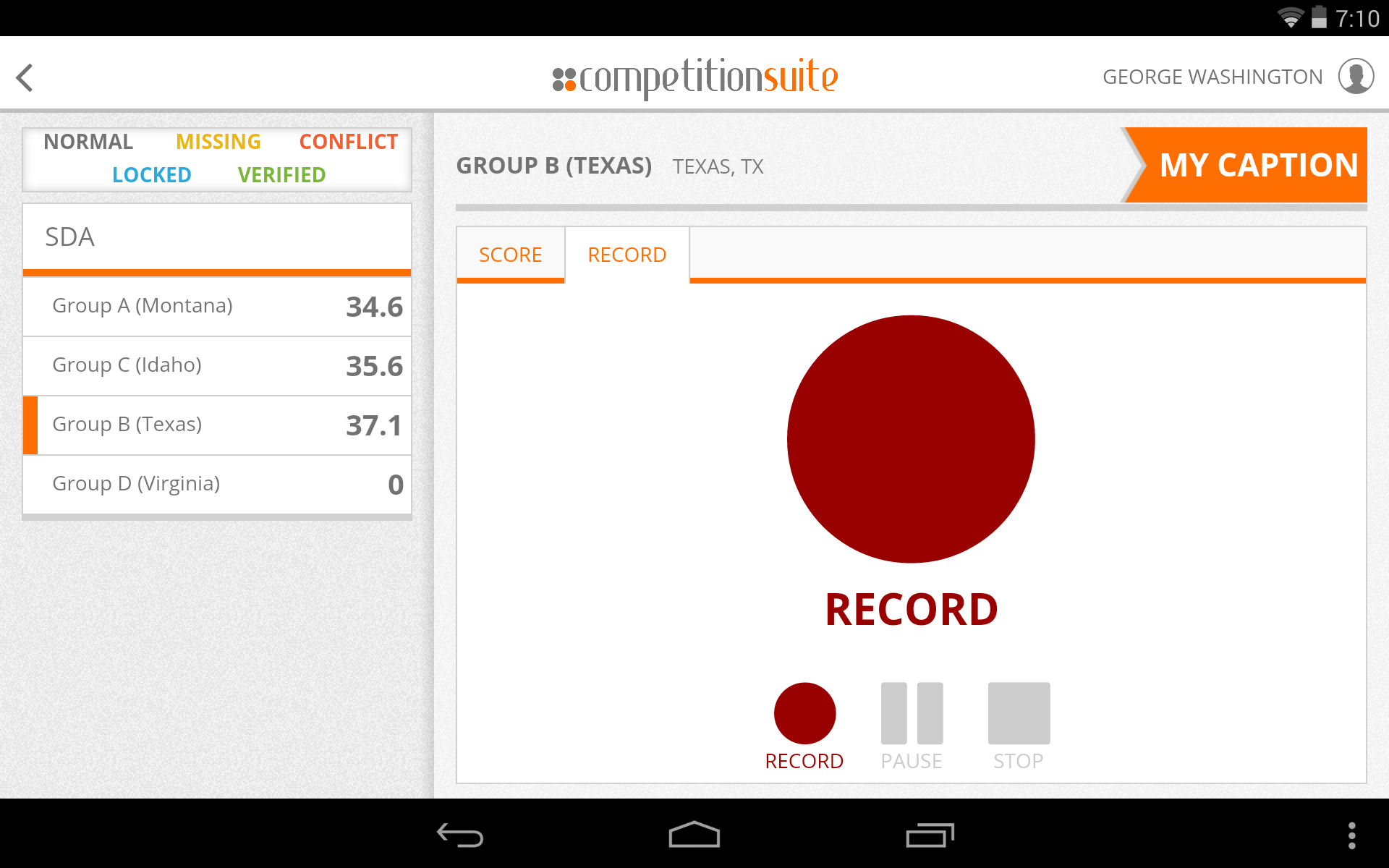
Streamline judging workflows · Manage submissions and scoring · Provide real-time results
Judgify is a robust digital judging software designed to efficiently manage and score entries for various competitions.

Customizable scoring systems · Real-time leaderboard updates · User-friendly interface
Scoreboarder is an excellent online contest scoring platform that allows for flexible and transparent tracking of competition progress.

Supports cognitive function · Made with traditional herbal ingredients · 120 tablets per bottle
While not directly for event judging, Wise Judge tablets are a popular herbal supplement known for supporting mental clarity, which could be beneficial for judges needing to focus.

Covers essential event planning features · A guide for selecting software · Focuses on core functionalities
This resource outlines the standard requirements for event management software, helping you identify the crucial features needed for both virtual and in-person events.
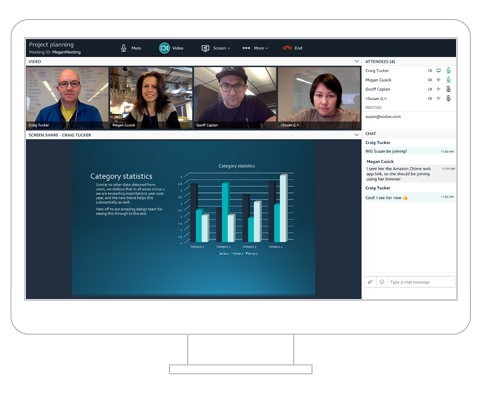
Virtual event hosting platform · Interactive features for engagement · Integrated networking opportunities
Run The World is a comprehensive virtual event platform that includes tools to manage attendees, sessions, and engagement, making it suitable for hosting virtual competitions.
As an Amazon Associate I earn from qualifying purchases. Prices may vary.

No comments yet. Be the first to share your thoughts!