
The shift to real-time judging
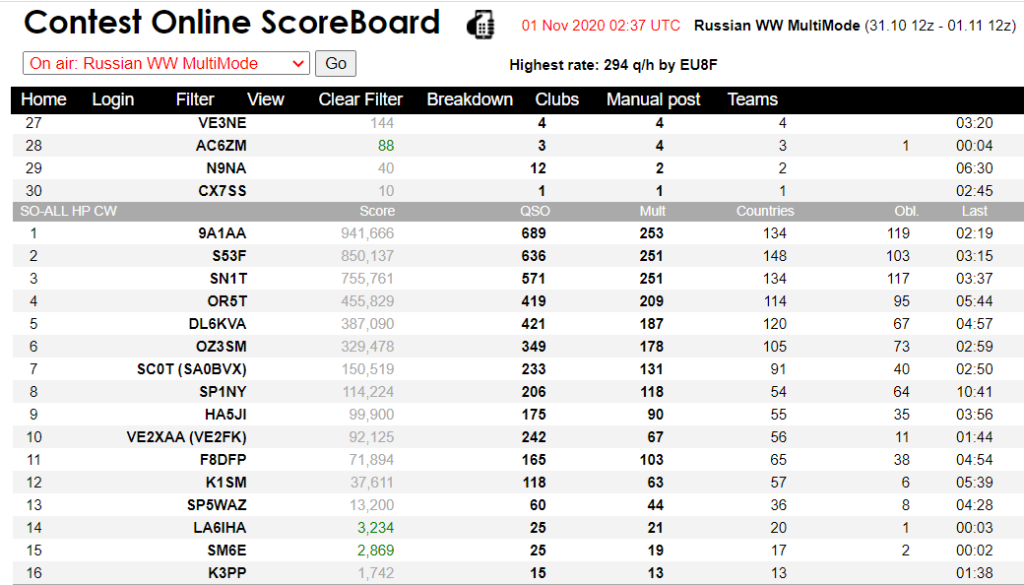
Dance, debate, and robotics competitions are moving away from paper score sheets. Waiting hours for a spreadsheet to update is frustrating for everyone involved. We are seeing a shift toward live scoring systems that give participants feedback the moment they step off the stage.
The limitations of older methods are becoming increasingly apparent. Manual tabulation is time-consuming, and the potential for calculation errors is significant. Delayed results diminish the competitive experience and limit opportunities for immediate learning. Modern competitors expect the same speed and transparency they experience in other areas of their lives, and judging is no exception. This expectation is driving innovation in scoring technology.
Dedicated systems, like CompetitionSuite, are already demonstrating the benefits of live scoring. These platforms centralize the judging process, provide instant score updates, and offer robust reporting features. This shift isn’t merely about speed; it’s about enhancing fairness, transparency, and the overall quality of the competitive experience. We’re seeing a fundamental change in how competitions are run, and this trend will only accelerate in the coming years.
Tech that makes live scoring work
Live scoring relies on web sockets to keep a constant connection between a judge's tablet and the server. Instead of the app asking for updates every few seconds, the server pushes data instantly. This is what makes the 'real-time' label actually true.
Cloud-based infrastructure is another critical component. Scoring systems must be able to handle a large number of concurrent users and data streams, especially during major events. Cloud platforms like Amazon Web Services or Microsoft Azure provide the scalability and reliability needed to meet these demands. They allow organizers to avoid significant upfront investment in hardware and infrastructure. The ability to scale quickly is essential for competitions that experience fluctuating participation.
Robust database technologies are essential for storing and managing the vast amounts of data generated by competitions. Databases need to be optimized for fast reads and writes, as well as for complex querying and reporting. Furthermore, well-defined APIs are crucial. They facilitate integration with other competition management tools – registration systems, scheduling software, and results publication platforms – creating a unified workflow. The impact of these technologies isn't about the code itself, but the experience they enable: instant feedback, accurate results, and streamlined organization.
#RugbyKE fans have plenty to follow today - live coverage via @TisiniTech
— 𝗛𝗶𝗽𝗽𝗼𝘀 𝗙𝗮𝗻𝘀 𝗖𝗹𝘂𝗯 (@HipposFans) February 28, 2026
Supporters can track all #KenyaCup matches & the #UgandaRugby match between Heathens & Black Pirates through a live scoring platform providing real-time updates & match statistics.… pic.twitter.com/GZaRIxKIET
Mobile Judging: Beyond the Laptop
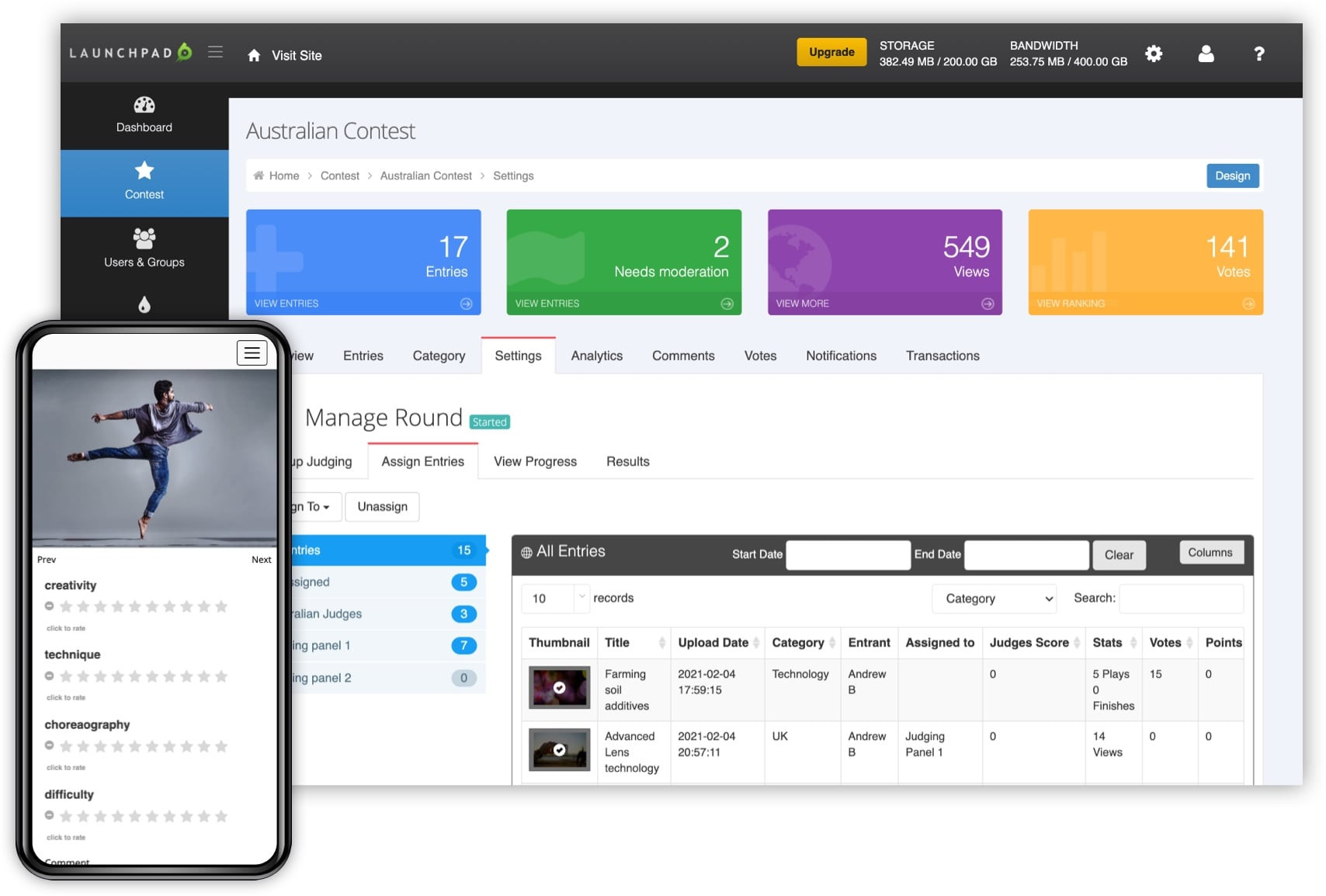
The days of judges being tethered to laptops are numbered. Mobile judging apps, designed for tablets and smartphones, are rapidly gaining popularity. This trend offers several advantages, including increased portability, greater convenience, and a reduction in paper waste. Judges can score performances from anywhere within the venue, providing a more dynamic and flexible judging experience.
However, designing effective mobile interfaces for judges presents unique challenges. Screen size limitations require careful consideration of layout and information density. Connectivity issues, such as unreliable Wi-Fi, can disrupt the scoring process. Mobile apps must be designed to handle intermittent connectivity gracefully, allowing judges to continue scoring offline and synchronize their data when a connection is restored.
Accessibility is also paramount. Judging apps should adhere to accessibility guidelines, ensuring that judges with disabilities can participate fully. This includes providing support for screen readers, keyboard navigation, and adjustable font sizes. Thoughtful design is crucial to creating a mobile judging experience that is both efficient and inclusive. Mobile devices are becoming the standard, not the exception.
Data Security and Integrity
If someone can hack the scores, the competition is worthless. We use encryption for data at rest and in transit to make sure results aren't intercepted or changed. It is about protecting the work the competitors put in.
Access control mechanisms are equally important. Systems should implement role-based access control, limiting access to sensitive data based on user roles and permissions. Audit trails provide a record of all actions performed within the system, allowing administrators to track changes and identify potential security breaches. These trails are vital for investigating disputes and ensuring accountability.
Preventing cheating is another critical concern. Systems should incorporate features such as IP address tracking, time stamps, and anomaly detection to identify suspicious activity. Secure data storage and transmission protocols, adhering to relevant data privacy regulations, are non-negotiable. While specific compliance standards vary by region, a commitment to data protection is crucial for maintaining trust and credibility.
Where AI fits into the judging booth
Artificial intelligence (AI) and machine learning (ML) are beginning to find applications in competition judging, offering the potential to augment—not replace—human expertise. Automated preliminary scoring can help narrow down a large number of entries, allowing judges to focus on the most promising performances. Anomaly detection algorithms can identify unusual scoring patterns that may warrant further investigation.
AI can also potentially mitigate bias in judging. By analyzing historical data, ML models can identify and correct for systematic biases that may be present in human judgments. However, it’s crucial to acknowledge the ethical concerns surrounding AI-assisted judging. Transparency and accountability are essential. Judges must understand how the AI system works and have the ability to override its recommendations.
Currently, AI is best suited for tasks that require objective measurement or pattern recognition. It’s less effective at evaluating subjective qualities such as artistry or creativity. The technology is still evolving, and it's important to be realistic about its limitations. Over-reliance on AI without human oversight could lead to unfair or inaccurate results. The goal should be to use AI as a tool to support judges, not to replace them.
Content is being updated. Check back soon.
Integration with Existing Competition Platforms
A real-time scoring system doesn’t operate in isolation. Seamless integration with other competition management tools is essential for a streamlined workflow. This includes integration with registration platforms, scheduling software, and results publishing systems. Without integration, organizers are forced to manually transfer data between systems, increasing the risk of errors and inefficiencies.
APIs (Application Programming Interfaces) and webhooks are the primary mechanisms for achieving integration. APIs allow different systems to communicate directly with each other, while webhooks enable systems to notify each other of events in real-time. A well-documented and robust API is crucial for enabling third-party developers to build integrations with the scoring system.
Integrating with legacy systems can be a significant challenge. Older systems may not have modern APIs or may use proprietary data formats. In these cases, custom integrations may be required, which can be time-consuming and expensive. Prioritizing systems that offer open APIs and support for common data exchange standards can simplify the integration process and reduce long-term maintenance costs.
Choosing the Right System: A Decision Framework
Selecting the right real-time scoring system is a critical decision for competition organizers. A one-size-fits-all solution doesn’t exist; the best system will depend on the specific needs and requirements of the competition. Budget is always a primary consideration, but it shouldn’t be the sole determining factor. Features, scalability, security, and ease of use are equally important.
Consider the size and complexity of your competition. A small, local event may only require a basic scoring system, while a large, national competition will need a more robust and scalable solution. Think about the types of judging criteria used in your competition. The system should support the specific scoring methods and calculations required. Ensure the system offers the reporting features you need to analyze results and identify trends.
Security is non-negotiable. Choose a system that employs robust security measures to protect sensitive data. Finally, consider the level of support and training provided by the vendor. A responsive and knowledgeable support team can be invaluable when you encounter issues or need assistance. A thorough evaluation process, including demos and trials, is essential before making a final decision.
- Your price range and how the vendor handles per-event vs annual licensing.
- Features: Does the system support your specific scoring needs?
- Scalability: Can the system handle your competition's size and growth?
- Specific security measures like encryption and two-factor authentication for admins.
- Support: What level of support and training is provided?
Real-Time Competition Scoring System Feature Comparison - 2026 Outlook
| System | Mobile Support | Integration Capabilities | Security Features | Scalability | Ease of Use |
|---|---|---|---|---|---|
| CompetitionSuite | Good - Dedicated Apps | Good - API Available | Good - Role-Based Access | Good - Handles Moderate Events | Good - Intuitive Interface |
| System A | Fair - Responsive Web Design | Excellent - Extensive API & Webhooks | Excellent - Multi-Factor Authentication | Excellent - Designed for Large Scale | Fair - Steeper Learning Curve |
| System B | Excellent - Native iOS & Android | Fair - Limited API Access | Fair - Standard Encryption | Fair - Best for Small to Medium Events | Excellent - Very Simple Interface |
| ScoreFlex | Fair - Web-Based Only | Good - Integrates with Common Platforms | Good - Data Encryption in Transit | Good - Adaptable to Growing Needs | Good - User-Friendly Design |
| EventJudge Pro | Poor - No Native Mobile Support | Excellent - Open API Architecture | Excellent - Audit Logging & Compliance | Better for - Very Large, Complex Events | Fair - Requires Technical Expertise |
| QuickScore | Good - Mobile Browser Compatible | Fair - Basic Data Export | Fair - Standard Security Protocols | Fair - Suitable for Smaller Competitions | Excellent - Minimal Setup Required |
Qualitative comparison based on the article research brief. Confirm current product details in the official docs before making implementation choices.


No comments yet. Be the first to share your thoughts!