
How AI changes the judging process
Running a contest is expensive and slow. Human judges get tired, they have biases, and finding enough experts to review thousands of entries is a logistical nightmare. AI is starting to handle the heavy lifting of initial screenings so organizers can scale without losing their minds or their budget.
AI-powered judging isn’t about replacing human expertise; it’s about augmenting it. These platforms automate repetitive tasks, provide data-driven insights, and help to create a more fair and efficient evaluation process. The goal is to free up judges to focus on the nuances and subtleties that truly require human discernment, while AI handles the initial screening and quantitative assessment.
We’re seeing particularly strong adoption of AI judging in areas like writing contests, coding challenges, art competitions, and scientific research awards. The ability to analyze large volumes of submissions objectively makes AI invaluable in these contexts. For example, a coding competition can use AI to assess code efficiency and functionality, while an art contest can leverage computer vision to analyze composition and style. This isn't a one-size-fits-all solution, but a powerful tool for organizers seeking to improve the integrity and efficiency of their events.
The market is still evolving, with new platforms and features emerging constantly. By 2026, we’re witnessing a shift from basic automated scoring to sophisticated AI systems capable of understanding and evaluating subjective criteria with increasing accuracy. The benefits are clear: reduced bias, increased scalability, and lower operational costs. But choosing the right platform requires careful consideration.
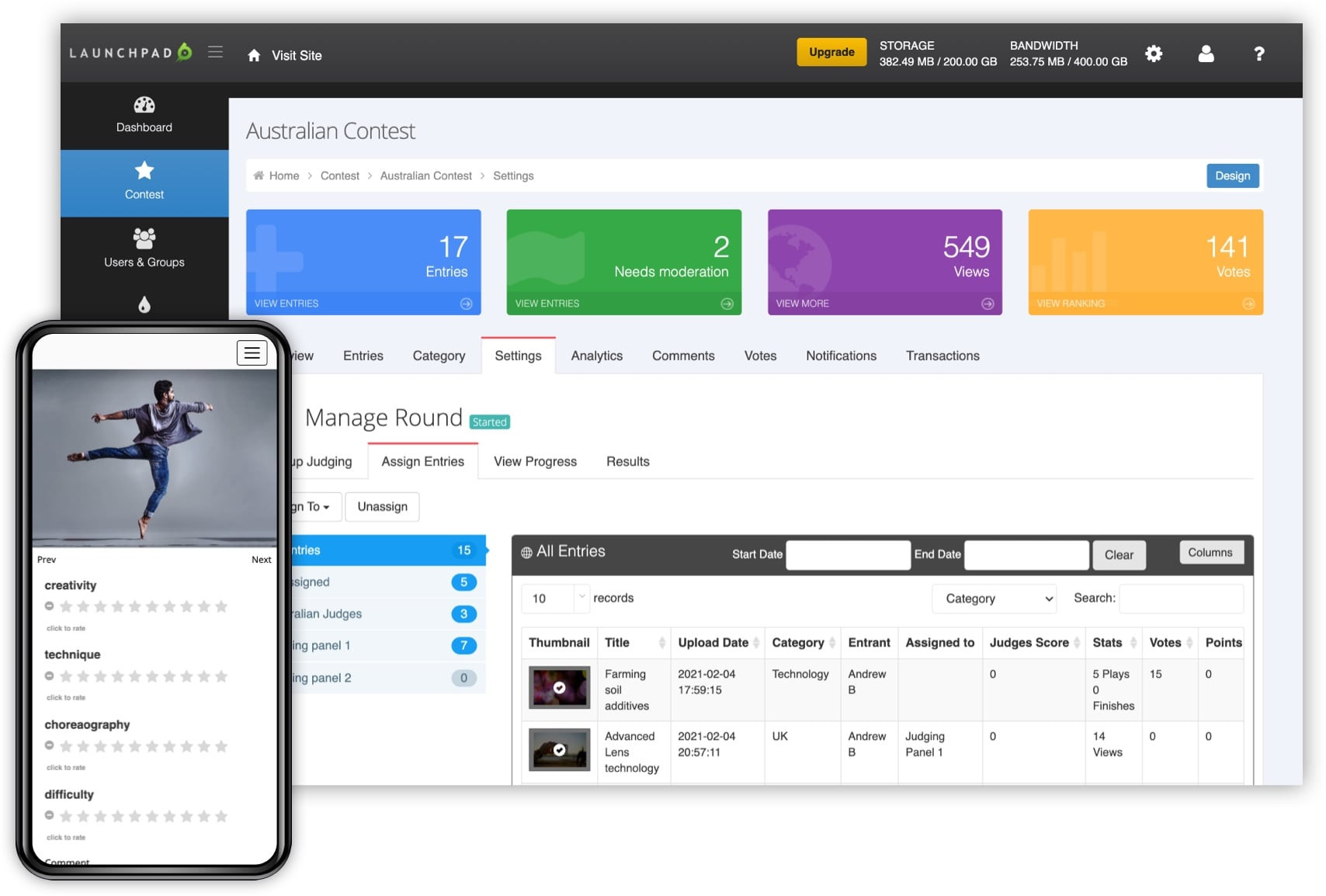
How these systems actually score
The effectiveness of an AI judging platform hinges on the scoring methods it employs. Several approaches are common, each with its strengths and weaknesses. Rubric-based scoring is a popular choice, where submissions are evaluated against predefined criteria. AI can automate this process by analyzing submissions and assigning scores based on the rubric. This ensures consistency and reduces subjective bias.
Pairwise comparison involves presenting judges with two submissions at a time and asking them to choose the better one. AI can facilitate this process by randomly pairing submissions and collecting the results, then using algorithms to rank them. This method is particularly useful for subjective evaluations where clear criteria are difficult to define. It relies on collective intelligence to arrive at a fair ranking.
Statistical ranking uses statistical models to rank submissions based on various factors, such as scores from multiple judges or objective metrics. AI can analyze these data points and generate a final ranking. This approach is often used in combination with other methods to provide a more comprehensive evaluation. It’s good for contests with quantifiable data.
For subjective traits like creativity, these platforms use natural language processing to find patterns in text or computer vision to check the composition of an image. It isn't perfect, but it's consistent.
The AI used isn't always immediately apparent to the user. Many platforms employ machine learning models trained on large datasets of past submissions. These models learn to identify patterns and characteristics associated with high-quality work. The challenge is ensuring these models are unbiased and accurately reflect the desired criteria. Transparency in the AI’s methodology is crucial.
Essential Hardware and Software for AI-Powered Judging in 2026

M3 Pro or M3 Max chip for superior processing and graphics · Liquid Retina XDR display for visual precision · High-speed SSD storage and ample RAM for data-intensive tasks
This laptop provides the raw computational power and visual fidelity essential for efficient AI model development and data analysis.
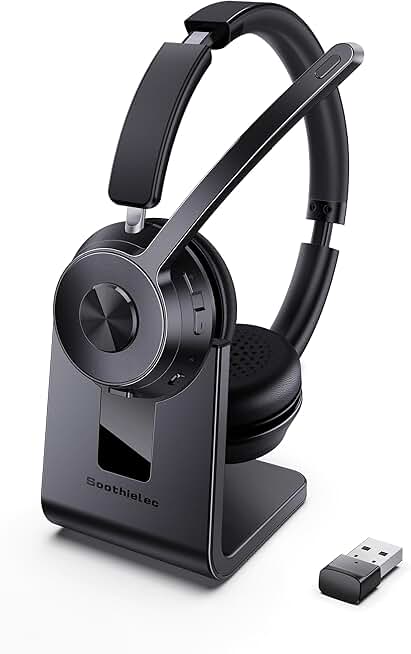
Noise-canceling microphone for clear voice transmission · Dual connectivity: USB dongle for PC and Bluetooth for mobile devices · Comfortable design for extended wear
This headset ensures clear, uninterrupted communication, vital for effective remote collaboration and judging coordination.

Covers core business law principles · Includes interactive learning tools via MindTap · Focuses on legal frameworks relevant to commercial activities
This text offers essential legal knowledge for contest organizers to ensure compliance and understand intellectual property rights.

8TB of high-capacity storage · Fast USB 3.0 data transfer speeds · Includes Seagate Rescue Data Recovery Services for data protection
This drive provides ample, secure, and fast storage for critical contest data and AI model outputs.
As an Amazon Associate I earn from qualifying purchases. Prices may vary.
Connecting to your existing tools
A judging platform isn’t an island. It needs to integrate seamlessly with your existing contest workflow. Consider how the platform connects with your submission platform – whether it's a dedicated form builder or a third-party service. A smooth integration ensures that submissions are automatically imported into the judging system, saving time and reducing errors.
Integration with payment gateways is also important, especially if you’re charging entry fees. The platform should be able to securely process payments and track revenue. Communication tools are essential for keeping judges and organizers informed. Look for platforms that offer built-in messaging or integrate with popular communication apps like Slack or Microsoft Teams.
API access is a significant advantage for organizations with custom requirements. An API allows you to connect the judging platform to other systems, such as your CRM or marketing automation tools. This enables you to automate tasks and share data between different platforms. Data export capabilities are equally important. You should be able to easily export judging data in various formats for further analysis and reporting.
The technical effort required to get a platform up and running can vary. Some platforms offer a simple, no-code setup, while others require more technical expertise. Consider your team’s technical capabilities and choose a platform that aligns with your resources. A platform with good documentation and support can significantly ease the implementation process.
- Direct sync with form builders like Typeform or Google Forms
- Payment gateway integration
- Communication tools
- API access
- Data export capabilities
Scoring Method Flexibility Comparison: AI-Powered Judging Platforms (2026)
| Platform Name | Rubric Support | Pairwise Comparison | Statistical Ranking | Custom Weighting |
|---|---|---|---|---|
| Judgify | Excellent | No | Yes | Yes |
| Evalato | Good | Yes | Yes | Yes |
| Awardify | Good | No | Yes | Limited |
| Scorechain | Limited | Yes | No | No |
| CompetitionHQ | Good | No | Yes | Yes |
| JudgePro | Excellent | Yes | Yes | Yes |
Illustrative comparison based on the article research brief. Verify current pricing, limits, and product details in the official docs before relying on it.
Keeping data safe
Data security and privacy are paramount, especially when dealing with sensitive contest data, intellectual property, and personal information. Choose a platform that employs robust security measures, such as encryption, access controls, and regular security audits. Look for platforms that are compliant with relevant data privacy regulations, such as GDPR and CCPA.
User authentication is crucial for protecting against unauthorized access. The platform should support strong password policies and offer multi-factor authentication. Access control mechanisms should allow you to restrict access to sensitive data based on user roles. It's essential to understand how the platform handles data storage and processing, and whether it uses secure servers and networks.
Review the platform’s privacy policy carefully to understand how your data will be used and protected. Ensure that the platform has a clear and transparent data retention policy. Consider whether the platform offers data anonymization or pseudonymization options to further protect privacy. A reputable platform will prioritize data security and privacy and provide clear documentation of its security practices.

No comments yet. Be the first to share your thoughts!