
The shift to AI judging
Human judging is messy. People get tired, they have unconscious biases, and managing a panel for a large event is a logistical nightmare. Because of this, more organizers are moving toward AI to handle the heavy lifting.
The increasing complexity of modern competitions is another key factor. We’re seeing more nuanced criteria, diverse submission formats, and larger participant pools. This demands evaluation tools capable of handling greater volumes of data and providing more detailed analysis than traditional methods allow. Early adoption of AI judging platforms was met with skepticism, with concerns about objectivity and the potential for algorithmic bias. However, advancements in machine learning and natural language processing are steadily addressing these concerns.
Currently, AI isn’t designed to replace human judges entirely, but rather to augment their capabilities. Many platforms function as sophisticated scoring and management systems, automating tedious tasks and providing data-driven insights to human evaluators. This hybrid approach seems to be the most prevalent model in 2026, offering a balance between human expertise and the efficiency of AI. The market is still maturing, but the trajectory clearly points towards increased reliance on AI-powered tools in the competition landscape.

Features that actually matter
When selecting judging software, understanding your specific needs is paramount. A "one size fits all" solution rarely exists, as requirements differ dramatically depending on the competition type – a photography contest demands different features than a coding challenge, for example. However, several core functionalities are crucial to evaluate across different platforms.
Robust submission handling is fundamental. The software should support a wide range of file formats, including images, videos, documents, and code, and ideally offer bulk upload capabilities to streamline the process for both participants and administrators. Scoring customization is equally important, allowing organizers to define weighted criteria, create detailed rubrics, and tailor the evaluation process to the specific goals of the competition. Blind judging features are essential for mitigating bias, ensuring judges assess submissions without knowing the author’s identity.
Plagiarism detection, particularly for text-based submissions, is a non-negotiable feature for many competitions. Comprehensive reporting and analytics are also vital for understanding judging trends, identifying outliers, and justifying results. Look for platforms that offer data visualization tools and export options for further analysis. Finally, seamless integration with existing event management systems – like Eventbrite or Cvent – can significantly reduce administrative overhead. Consider APIs if custom integrations are needed.
Beyond these core features, consider the platform’s user interface. Is it intuitive and easy to navigate for both judges and administrators? Does it offer adequate support resources, including documentation and customer support? Scalability is another important factor, particularly for competitions that anticipate growth in future years. A platform that can handle a large number of submissions and judges without performance issues is essential.
- The software needs to handle images, video, and code with bulk upload options.
- Scoring Customization: Weighted criteria, detailed rubrics
- Blind Judging: Anonymization of submissions
- Plagiarism Detection: Automated content analysis
- Reporting & Analytics: Data visualization, export options
- Integration: Compatibility with event management systems
Judgify: best for general contests
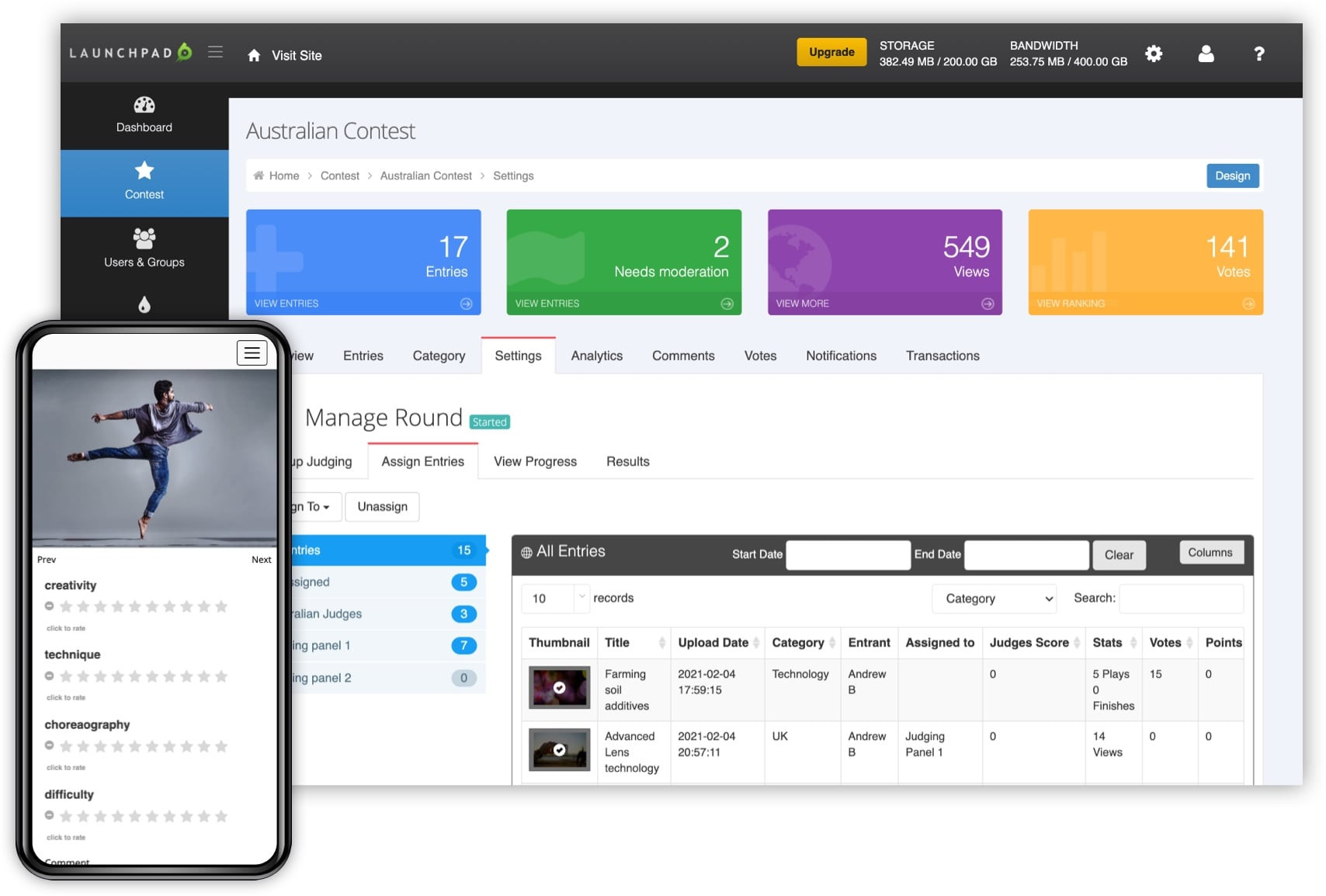
Judgify (judgify.me) positions itself as an end-to-end solution for contest management, encompassing everything from initial planning to final results. Its strengths lie in its comprehensive suite of tools for organizing and administering competitions, rather than solely focusing on the judging process itself. The platform offers robust contest planning features, allowing organizers to define rules, eligibility criteria, and prize structures. Submission management is well-handled, with options for collecting entries through various channels and managing participant data.
Branding and promotion features are also prominent, enabling organizers to customize the look and feel of the competition platform and promote it to potential participants. Judgify’s judging workflows are generally straightforward, supporting various scoring methods and offering tools for managing judge assignments and communication. The scoring and reporting features provide a decent overview of judging data, though the analytics capabilities may not be as advanced as some specialized platforms.
However, Judgify’s broad focus can also be a limitation. It may not offer the same level of specialized functionality as platforms specifically designed for awards management or creative competitions. Its user interface, while functional, isn’t necessarily the most modern or intuitive on the market. While Judgify is a solid choice for organizations seeking a comprehensive contest management system, those prioritizing highly specialized judging features might want to explore alternative options. Judgify doesn't list prices on their site, so you'll have to reach out for a quote.
Evalato: built for awards
Evalato (evalato.com) distinguishes itself by specializing in awards management software. This focused approach allows it to offer a more tailored and sophisticated experience for organizations running awards programs. The platform’s online judging software is designed to streamline the entire evaluation process, from submission review to winner selection. Evalato provides tools for managing judge recruitment, assigning submissions, and tracking progress.
A key strength of Evalato is its emphasis on collaboration and communication between judges. The platform facilitates discussions, allows judges to share feedback, and provides a centralized location for all evaluation-related activities. Its scoring features are robust, supporting various scoring schemes and offering detailed reporting on judging results. Evalato also includes features for managing award ceremonies and publicizing winners.
What sets Evalato apart is its focus on awards-specific workflows, such as managing nominations, verifying eligibility, and handling sponsor recognition. It offers features for creating award categories, defining judging criteria, and building custom scorecards. Evalato also hides its pricing behind a 'request a quote' wall. If you run a traditional awards program, the specialized workflow is likely worth the extra step.
Niche platforms for specific needs
The AI judging platform landscape is rapidly evolving, with new players emerging constantly. Several smaller platforms are focusing on niche competitions, offering specialized features tailored to specific needs. For creative writing contests, platforms like CritiqueIt incorporate AI-powered grammar and style checking alongside human evaluation. These tools don’t replace judges, but help standardize initial feedback and identify potential issues.
Coding challenges often benefit from automated testing and code analysis tools. Platforms such as HackerRank and CodeSignal integrate these features directly into their judging workflows, providing objective assessments of code quality and efficiency. For design contests, platforms like DesignCrowd leverage AI-powered image recognition to identify design elements and assess visual appeal, supplementing human evaluation.
Other emerging platforms worth noting include FilmFreeway (which now incorporates judging tools), catering to film festivals, and ChallengeRocket, focused on innovation challenges and hackathons. The common thread among these platforms is a dedication to serving a specific niche, allowing them to offer features that general-purpose solutions may lack. It's important to remember that the market is dynamic, and new platforms are appearing regularly, so continuous research is crucial.
- CritiqueIt uses AI to check grammar and style for creative writing.
- Coding Challenges: HackerRank, CodeSignal (automated testing)
- Design Contests: DesignCrowd (AI image recognition)
- Film Festivals: FilmFreeway (integrated judging)
- Innovation Challenges: ChallengeRocket
AI-Powered Judging Software Comparison – 2026
| Platform Name | Competition Focus | Key Strengths | Potential Drawbacks | Target User |
|---|---|---|---|---|
| Judgify | Broad – adaptable to many contest types including writing, art, business pitch competitions | Comprehensive feature set covering the entire contest lifecycle, from submission to announcement. Strong emphasis on branding and customization options. | May be overkill for very simple contests. Customization can introduce a steeper learning curve. | Small to large organizations; events requiring detailed management and branding. |
| Evalato | Science fairs, academic competitions, research poster sessions | Designed specifically for evaluating research and academic work. Offers features for rubric-based scoring and detailed feedback. | Less adaptable to creative contests or those with subjective judging criteria. Focus is heavily academic. | Educational institutions, science organizations, research-focused events. |
| ScoreVision AI | Performing Arts (music, dance, speech), debate | Specialized in evaluating performances. Features designed for synchronized judging and real-time scoring updates. | Limited applicability outside of performing arts. May require specific hardware/integration for live events. | Performing arts organizations, schools with performing arts programs, debate leagues. |
| ContestWhiz | Photography, visual arts, design contests | Strong image and video handling capabilities. Focus on visual assessment and detailed critique. | Less robust for text-based or coding competitions. Relies heavily on visual quality assessment. | Art organizations, photography contests, design competitions, galleries. |
| Awardify | General – adaptable, with emphasis on business awards and innovation challenges | Offers strong reporting and analytics features. Designed to highlight winners and promote event success. | AI-powered judging capabilities are a newer addition; may not be as mature as dedicated judging platforms. | Corporate awards programs, innovation challenges, business competitions. |
| PeerJudge | Coding competitions, hackathons, software development challenges | Facilitates peer review and code evaluation. Integrates with popular code repositories. | Less suitable for contests with non-technical judging criteria. Requires participants to have coding expertise. | Coding communities, hackathons, software development education. |
Qualitative comparison based on the article research brief. Confirm current product details in the official docs before making implementation choices.
Security and integrations
Seamless integration with existing event management systems is a critical consideration. Compatibility with platforms like Eventbrite, Cvent, and others can significantly streamline workflows and reduce administrative burden. Look for platforms that offer native integrations or APIs for custom connections. Data security is equally paramount, particularly when dealing with sensitive participant information.
Ensure the platform complies with relevant data privacy regulations, such as GDPR and CCPA. Data encryption, both in transit and at rest, is essential for protecting against unauthorized access. A robust security policy and regular security audits are also indicators of a platform’s commitment to data protection. Review the platform’s privacy policy carefully to understand how your data will be collected, used, and shared.
The risks of using platforms with inadequate security measures are substantial, ranging from data breaches to reputational damage. Prioritize platforms that prioritize security and transparency. Look for features like two-factor authentication, access controls, and data backup and recovery mechanisms. Don't hesitate to ask potential vendors about their security practices and certifications.
- Integration: Eventbrite, Cvent, APIs
- Compliance: GDPR, CCPA
- Security: Data encryption, two-factor authentication, access controls
Featured Products

Leverages AI prompts for enhanced cloud engineering workflows · Explores agent systems for automated tasks · Integrates DevOps automation and cloud architecture strategies
This resource provides foundational knowledge on integrating AI into cloud engineering, crucial for understanding the underlying technologies that power advanced judging systems.

Covers the theoretical underpinnings of automated software testing · Explores practical applications and current challenges · Discusses the evolution of testing methodologies
Understanding the principles of automated software testing is essential for appreciating the sophistication and efficiency gains offered by AI-powered judging platforms.

Details the requirements for AI Management System certification · Aligns with the ISO/IEC 42001 standard · Provides a framework for responsible AI deployment
This certification guide highlights the importance of structured AI governance, a critical aspect for ensuring the reliability and ethical operation of judging software.
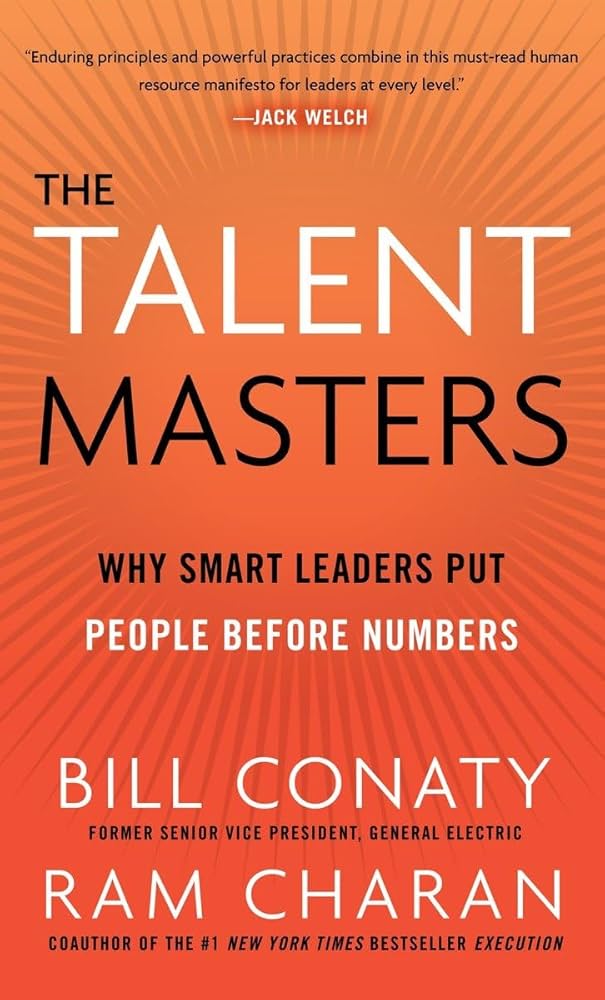
Automated scoring and evaluation of submissions · Real-time feedback and analytics for participants · Customizable judging criteria and workflows
The Judgify platform offers a comprehensive suite of AI-driven tools designed to automate and enhance the judging process for various types of events, ensuring efficiency and fairness.

Explores the transformative impact of AI and ML on software testing · Discusses advanced AI-driven testing techniques · Addresses the future of software quality assurance
This book delves into the core AI and machine learning concepts that enable modern software testing, providing insight into the intelligence behind advanced judging systems.
As an Amazon Associate I earn from qualifying purchases. Prices may vary.
No comments yet. Be the first to share your thoughts!