
The value of formal certification
Lots of people jump into judging – maybe you volunteered at a school science fair, or offered feedback at a local art show. That’s great! But increasingly, formal judge training certification is becoming more than just a nice-to-have. It’s often a requirement, and even when it isn’t, it signals a level of commitment and expertise that’s valued by competition organizers.
Certification is becoming a standard because it forces a baseline for bias awareness and scoring consistency. When I judge events, I see a clear difference between those who have gone through a formal module and those winging it. Organizers use these credentials to vet their pools, ensuring that a student's hard work isn't dismissed by a volunteer who doesn't know the rubric.
I’ll be honest, certification isn’t always mandatory. Many smaller, local events still rely on volunteer judges without formal credentials. However, larger, more prestigious competitions – think national science fairs, robotics championships, or major speech and debate tournaments – are increasingly making certification a prerequisite. Plus, having that certification on your resume can open doors to more opportunities.
New standards for 2026
By 2026, the NSDA and similar bodies are moving toward mandatory annual bias training. We are seeing a shift from one-time certifications to yearly 'refresher' modules that focus specifically on implicit bias and cultural nuances in speech. If you haven't updated your credentials since 2022, you'll likely find your login credentials expired by the next tournament cycle.
Another big change is a focus on constructive feedback. It’s not enough to simply identify strengths and weaknesses; judges need to be able to articulate their feedback in a way that’s helpful and motivating for competitors. This requires strong communication skills and a deep understanding of the evaluation criteria. Training programs are increasingly incorporating exercises to develop these skills.
Recertification is also getting more attention. It’s easy to complete a training program once and then let your knowledge get stale. Many organizations are now requiring judges to participate in continuing education activities – webinars, workshops, or online modules – to maintain their credentials. Keep an eye on those renewal deadlines!
As we move towards 2026, I expect to see a greater emphasis on data-driven judging. This means using rubrics and scoring systems that are clearly defined and consistently applied. It also means being able to justify your evaluations with specific evidence.
National Speech & Debate Association Accreditation
The National Speech & Debate Association (NSDA) Judge Accreditation is one of the most widely recognized certifications in the speech and debate community. It’s a comprehensive program designed to equip judges with the skills and knowledge they need to evaluate rounds fairly and effectively. The process involves completing several online modules, covering topics such as event-specific guidelines, argumentation theory, and ethical considerations.
As of late 2024, the cost of NSDA accreditation is $35 for members and $50 for non-members. The modules typically take around 4-6 hours to complete, and you have 60 days to finish them once you start. The modules are well-produced and engaging, with a mix of video lectures, readings, and quizzes. You’re tested at the end of each module to ensure comprehension.
The benefits of NSDA accreditation are significant. It demonstrates your commitment to the speech and debate community, and it can make you a more desirable judge for tournaments. Many tournaments require judges to be NSDA accredited, particularly at the national level. It also provides access to a wealth of resources, including judging guides and online forums.
Is the NSDA program right for you? If you’re actively involved in speech and debate – as a coach, parent, or volunteer – it’s an excellent investment. However, if you’re only judging occasionally, or if you’re judging in a different field, other certifications might be a better fit. It’s a fairly focused program, geared specifically towards speech and debate events.
- Finish the online video modules and readings
- Pass the quizzes at the end of each module
- Pay the accreditation fee
- Maintain your accreditation through continuing education
California Courts Judging Training
Stepping away from student competitions, the Judicial Branch of California offers extensive training for those involved in court-related judging, such as mock trial competitions and court-appointed special advocates (CASAs). This training is very different from NSDA accreditation. It's focused on legal procedures, courtroom etiquette, and the principles of due process.
The California courts offer a range of programs, from basic orientation for new judges to specialized training for specific case types (e.g., juvenile delinquency, family law). The programs are often offered in-person, though some online options are becoming available. The application process varies depending on the program, but typically involves submitting an application and undergoing a background check.
Eligibility requirements also vary. Some programs are open to anyone with an interest in the courts, while others are restricted to attorneys, judges, or court staff. The cost of the training can range from free to several hundred dollars, depending on the program and the length of the course. This isn’t about evaluating performances; it’s about understanding the legal system.
If you’re interested in volunteering as a judge in a mock trial competition, or if you’re considering a career in the legal field, the California courts’ training programs are an excellent resource. But don't expect this to translate directly to judging a robotics competition – the skills and knowledge are quite distinct.
Other Notable Certification Programs
The NSDA and California Courts aren’t the only game in town. Many other organizations offer judging certifications tailored to their specific events. 4-H, for example, has a comprehensive judging program for livestock, agricultural mechanics, and other project areas. Destination Imagination offers training for judges evaluating creative problem-solving challenges.
FIRST Robotics is another big one. The RECF (Robotics Education & Competition Foundation) offers Judge Advisor Certification courses. These courses cover the judging process for FIRST Robotics competitions, including robot performance, engineering design, and team collaboration. These are often offered online and are a great option for those involved in robotics.
For science fair judges, the Society for Science offers training resources and guidelines. Art competitions often have their own certification programs, focusing on aesthetic principles and artistic technique. Finding these niche certifications often requires a bit of digging – a Google search for “[competition name] judge certification” is a good starting point.
Many of these programs have a strong online component, making them accessible to judges from anywhere in the world. Look for programs that offer flexible learning options and ongoing support. Don't be afraid to reach out to the organization directly if you have questions about their training program.
Essential Books for Aspiring Certified Judges
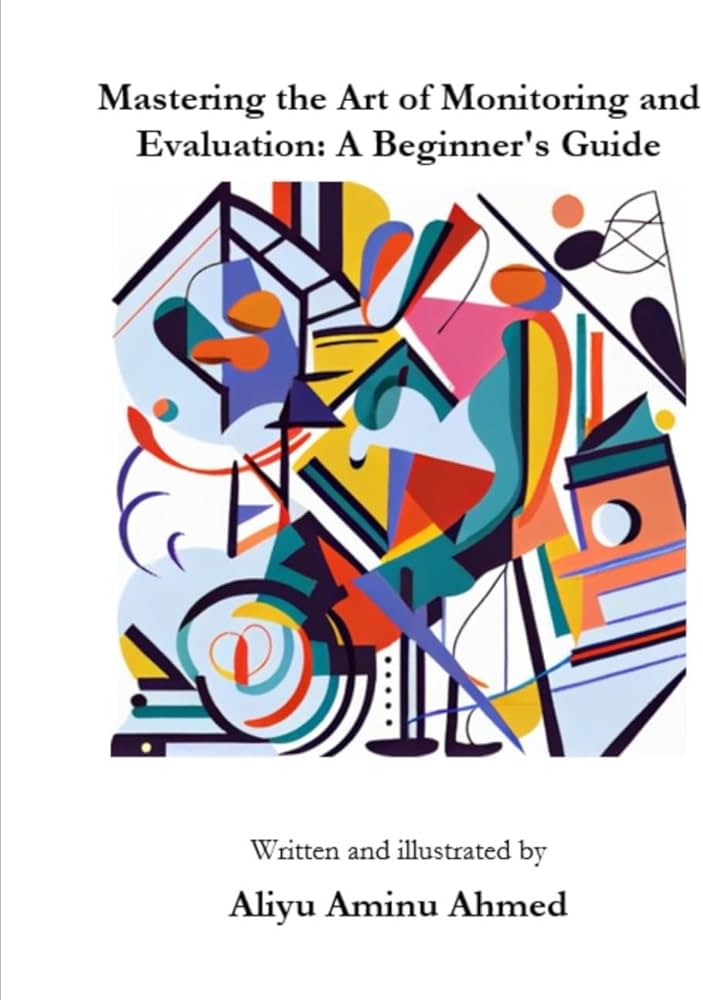
Explores the principles of effective judging across various disciplines. · Provides insights into developing a critical eye for detail. · Covers common pitfalls and how to avoid them.
This highly-rated book offers foundational knowledge and practical skills for anyone looking to excel in judging, from competition-specific techniques to general evaluation best practices.

Focuses on constructive and actionable feedback techniques. · Explains how to deliver feedback that promotes growth. · Includes examples of effective feedback in different contexts.
This highly-rated book offers foundational knowledge and practical skills for anyone looking to excel in judging, from competition-specific techniques to general evaluation best practices.
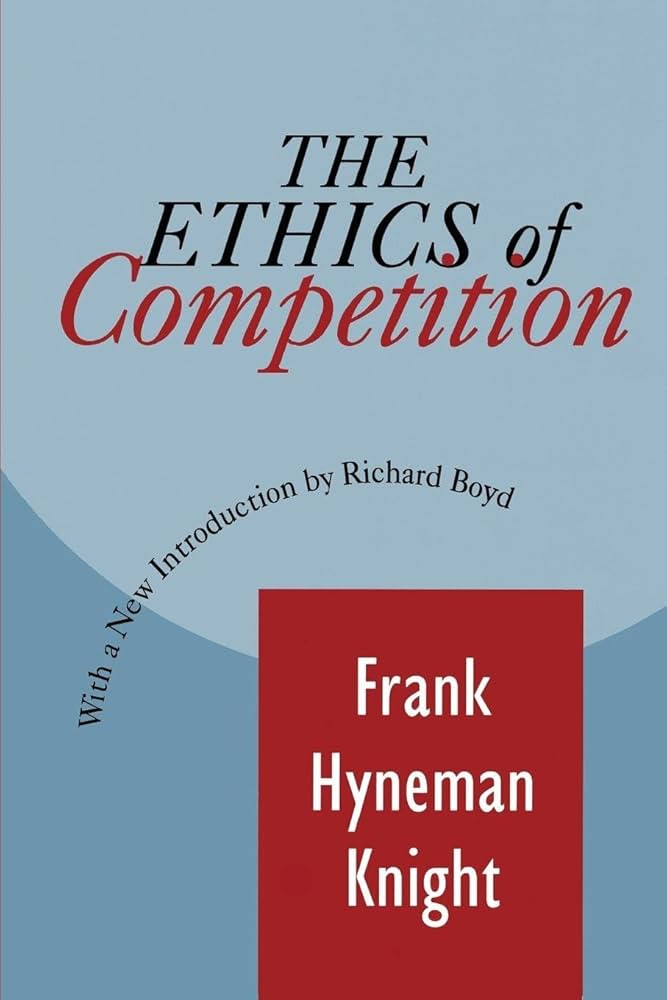
Discusses the importance of impartiality and fairness in judging. · Covers ethical dilemmas and decision-making frameworks. · Offers strategies for maintaining integrity under pressure.
This highly-rated book offers foundational knowledge and practical skills for anyone looking to excel in judging, from competition-specific techniques to general evaluation best practices.
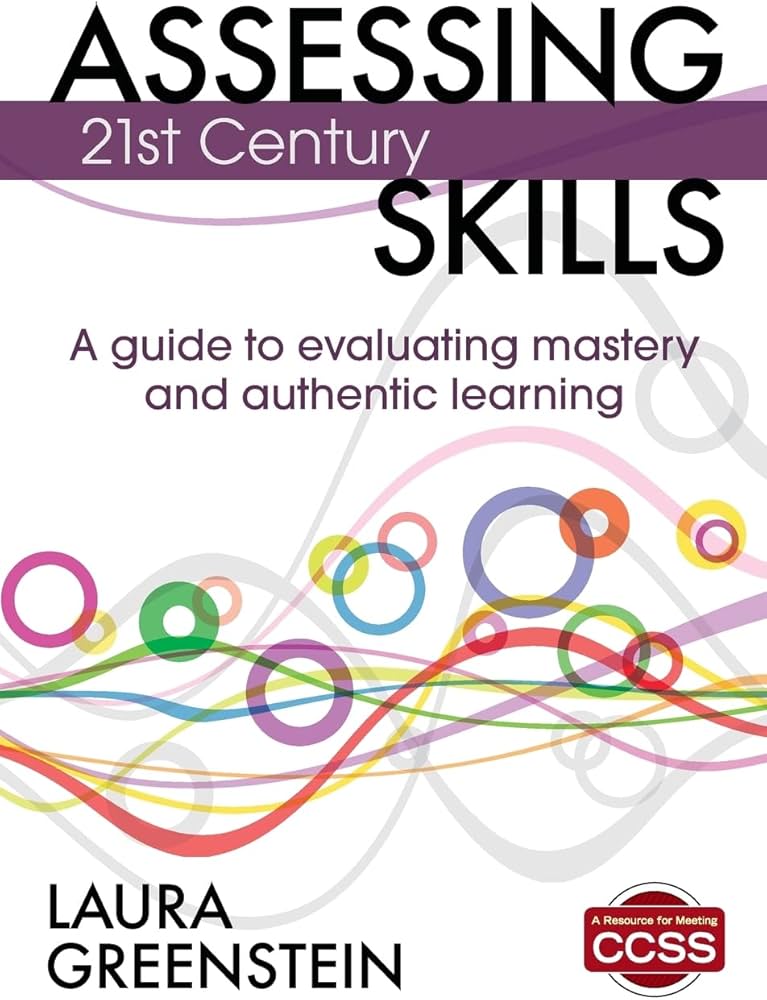
Teaches methods for objective assessment and scoring. · Covers techniques for minimizing bias in evaluations. · Provides exercises to hone assessment skills.
This highly-rated book offers foundational knowledge and practical skills for anyone looking to excel in judging, from competition-specific techniques to general evaluation best practices.
Addresses the challenges of judging in online and hybrid formats. · Explores tools and technologies for modern evaluation. · Offers best practices for adapting judging criteria.
This highly-rated book offers foundational knowledge and practical skills for anyone looking to excel in judging, from competition-specific techniques to general evaluation best practices.
As an Amazon Associate I earn from qualifying purchases. Prices may vary.
What you'll pay for each program
Let's talk dollars and cents. Certification costs can vary significantly, so it's important to factor this into your decision. Here’s a quick comparison of the programs we’ve discussed. Keep in mind that these prices are subject to change, so it’s always best to check the organization’s website for the most up-to-date information.
The NSDA accreditation is relatively affordable at $35-$50. California Courts training varies widely, from free introductory courses to $500+ for specialized programs. FIRST Robotics Judge Advisor Certification is typically around $75-$100. 4-H and Destination Imagination costs depend on the specific training modules and events.
Don’t forget to factor in potential hidden costs, such as required materials (e.g., textbooks, manuals) or travel expenses (if any training is offered in-person). The time commitment is also a significant cost. NSDA takes 4-6 hours, while some California Courts programs can take several days or weeks.
When evaluating these costs, consider the value you’ll receive from the certification. Will it open doors to more opportunities? Will it enhance your judging skills? Will it increase your credibility within the community? A more expensive certification might be worth it if it provides significant benefits.
Judge Training Certification Program Comparison (2026)
| Program Name | Cost | Time Commitment | Recognition | Specialization |
|---|---|---|---|---|
| National Speech & Debate Association (NSDA) Judge Accreditation | Medium | Medium (approx. 2-3 hours for training) | High (within speech & debate community) | Specific (Speech & Debate) 🎤 |
| California Courts - New Judge Orientation | Low (often offered free of charge) | Medium (varies by program, typically a full day) | High (California Judicial System) | General (Legal/Court proceedings) ⚖️ |
| 4-H Youth Development Judge Training | Low to Medium (varies by state/county) | Low to Medium (online modules & webinars) | Medium (within 4-H and agricultural competitions) | Specific (Livestock, crafts, STEM, etc.) 🐄 |
| FFA Agricultural Competency Judging Training | Low to Medium (often workshop fees) | Low to Medium (online and in-person options) | Medium (within FFA and agricultural education) | Specific (Agricultural Sciences & Mechanics) 🌾 |
| Robotics Competition Judge Training (e.g., FIRST, VEX) | Medium (associated with event registration/certification) | Medium (online modules, often with quizzes) | Medium to High (within robotics competition communities) | Specific (Robotics Design & Performance) 🤖 |
| Science Olympiad Judge Training | Low (typically free with volunteer registration) | Low (online resources and event-specific briefs) | Medium (within Science Olympiad community) | Specific (Science & Engineering events) 🧪 |
| Local County Fair Judge Training | Low (often covered by the fair association) | Low to Medium (typically in-person workshops) | Low to Medium (within local fair circuits) | Variable (depends on fair's competition categories) 🎪 |
Illustrative comparison based on the article research brief. Verify current pricing, limits, and product details in the official docs before relying on it.
No comments yet. Be the first to share your thoughts!