
The value of formal certification
Many people step into judging roles informally, often based on experience within a field. However, pursuing formal judge training certification offers benefits that extend far beyond simply having a vested interest. Certification demonstrates a commitment to fair and unbiased evaluation, signaling a level of expertise that’s valuable to both the judge and the organizations hosting competitions.
For judges, certification can translate to increased credibility within the community, opening doors to more desirable assignments and opportunities. A recognized credential can also deepen your understanding of judging criteria, ethical considerations, and best practices. This isn’t just about appearances; it’s about improving the quality of your evaluations.
Organizations are increasingly requiring or strongly recommending judge certification as a risk mitigation strategy. Maintaining contest integrity is paramount, and certified judges are less likely to be subject to accusations of bias or incompetence. It’s not about gatekeeping, but rather about protecting the fairness of the competition and the reputations of everyone involved. The cost of a compromised competition can be substantial.
As we move into 2026, the demand for qualified, certified judges will only increase. The rise in both the number and scale of competitions across various disciplines necessitates a more professional approach to judging. Investing in online judge certification is an investment in your expertise and the future of fair competition.
NSDA accreditation for speech and debate
The National Speech & Debate Association (NSDA) offers a widely recognized Judge Accreditation program, particularly relevant for those involved in high school and middle school speech and debate. Accreditation isn’t mandatory for all NSDA-affiliated tournaments, but many prestigious events require it, and it’s generally viewed as a mark of competence.
The process begins with creating an account on the NSDA Learn platform. As of late 2026, the accreditation involves completing a series of modules covering topics such as judging philosophy, event-specific criteria, and ethical considerations. The modules are self-paced and available online, making it accessible to judges across the country. The cost is currently $35 for NSDA members, and $50 for non-members, but this is subject to change.
A significant component of the NSDA accreditation is an open-book quiz. While seemingly straightforward, passing requires careful study of the provided materials. Many judges find the time commitment – roughly 5-7 hours for the modules and another 2-3 hours for the quiz – to be manageable, but it’s something to factor in. It’s also important to note that accreditation needs to be renewed every two years, requiring additional modules and a refresher quiz.
Does NSDA accreditation guarantee a better judging assignment? Not necessarily. Tournament directors still have discretion in selecting judges. However, accreditation undoubtedly increases your visibility and demonstrates a commitment to quality. Some directors prioritize accredited judges, particularly for elimination rounds. It's a valuable credential, though not a guaranteed path to premier assignments.
CrossFit judges course requirements
The CrossFit Judges Course represents a very different approach to judge certification. Unlike the broader focus of the NSDA, the CrossFit course is highly specialized, geared towards evaluating athletes during official CrossFit competitions, including the Open, Quarterfinals, Semifinals, and the Games. It’s essential for anyone aspiring to judge at these levels.
The 2026 Judges Course is entirely online and consists of detailed video instruction covering movement standards, scoring procedures, and event protocols. A significant emphasis is placed on recognizing and penalizing movement faults – ensuring athletes adhere to the prescribed standards. This is a hands-on approach, even in a virtual setting. Course materials are regularly updated to reflect changes in CrossFit methodology.
The cost of the course in 2026 is $149, and it includes access to the online modules and a practical assessment. Recertification is required annually, typically involving a refresher course and a short quiz. The practical assessment often involves submitting video evidence of your judging skills, demonstrating your ability to accurately identify and penalize movement errors.
This certification isn’t for casual CrossFit participants. It demands a thorough understanding of CrossFit methodology and a keen eye for detail. It’s a commitment to upholding the integrity of the sport and ensuring fair competition. The CrossFit Judges Course is a direct pathway to judging at the highest levels of the sport.
Beyond NSDA & CrossFit: Niche Certifications
The need for qualified judges extends far beyond speech/debate and CrossFit. Numerous specialized certifications cater to a wide range of competitions and events. For example, culinary competitions often utilize certifications from organizations like the American Culinary Federation, focused on evaluating food presentation, taste, and technique.
In the art world, judges for art shows and exhibitions may hold credentials from organizations offering training in art appraisal and criticism. Science fairs frequently rely on judges with backgrounds in STEM fields, sometimes requiring specific training in evaluating scientific methodology and research projects. Even dog shows have rigorous judge training programs, overseen by kennel clubs.
Finding these niche certifications often requires targeted research. Organizations like 4-H offer judging training for livestock and agricultural competitions. Local and regional organizations frequently host workshops and certification programs tailored to specific events. The availability of online training varies considerably.
These are just a few examples. The best path is to look at the specific governing body for your hobby; most have a clear, if obscure, training track for officials.
- American Culinary Federation for professional cooking
- Local kennel clubs for dog shows
- 4-H (Livestock/Agricultural Competitions)
- State and Regional Science Fair Organizations (Science Fairs)
Judging Certifications
- American Kennel Club (AKC) Judge Accreditation - This program focuses on conformation judging for purebred dogs, requiring extensive study of breed standards and practical ring experience. Prerequisites include AKC membership and mentorship.
- National Honey Board Honey Judging Program - Designed for individuals evaluating honey for quality and characteristics, this program involves sensory evaluation training and adherence to established standards. It's frequently used by state and local beekeeping associations.
- 4-H Youth Development Judging Programs - 4-H offers certifications in various judging disciplines, including livestock, poultry, and agricultural mechanics. These programs are geared towards adults who volunteer to judge at 4-H events.
- USA Archery Judge Certification - This certification pathway trains individuals to officiate archery competitions, covering rule interpretation, scoring procedures, and event management. Levels range from Level 1 to National Judge.
- International Culinary Center (ICC) Professional Certificate in Culinary Arts Judging - While the ICC has undergone changes, related culinary judging training is often offered through professional culinary organizations and schools. This training covers flavor profiles, presentation, and technical skill assessment.
- FIRST Robotics Competition Judge Training - FIRST (For Inspiration and Recognition of Science and Technology) provides specific training for judges at their robotics competitions. Training focuses on evaluating robot performance, design, and team collaboration.
- Speech and Debate Association Judge Training - The National Speech & Debate Association offers resources and training for judges evaluating high school speech and debate events. This includes understanding event rules and scoring criteria.
Comparing costs and time
Let’s break down the practical considerations of cost and time. The NSDA Judge Accreditation, as of late 2026, typically costs $35-$50 and requires approximately 7-10 hours for modules and the quiz, with a renewal every two years. The CrossFit Judges Course is a flat fee of $149, with annual recertification.
Niche certifications vary greatly. Some may be free or relatively inexpensive, while others, particularly those requiring extensive training or travel, can cost several hundred dollars or more. Time commitments also differ significantly, ranging from a few hours of online modules to multi-day workshops.
It’s important to consider the value proposition. The NSDA accreditation is relatively affordable and provides a solid foundation in judging principles. The CrossFit certification is more expensive but is essential for judging at the elite level. Niche certifications may offer specialized knowledge but may not be as widely recognized.
Financial aid or sponsorship opportunities are limited, but some organizations may offer discounts to students or volunteers. It’s worth exploring whether the organization hosting the competition you’re interested in judging offers any financial assistance for certification. Ultimately, the best value depends on your individual goals and circumstances.
Judge Training Certification Comparison – 2026
| Certification | Focus/Specialization | Recognition | Time Commitment | Renewal Requirements |
|---|---|---|---|---|
| National Speech & Debate Association (NSDA) | Public Forum Debate, Lincoln-Douglas Debate, Speech Events | High within Speech & Debate Community | Moderate – Online modules and potential in-person components | Annual – Continuing education and re-evaluation |
| CrossFit | Functional Fitness Competition | High within CrossFit Affiliates | Moderate – Intensive online and practical assessment | Annual – Recertification course required |
| World of Dance (WOD) Judge Certification | Street Dance, Hip-Hop Dance | Good within the dance community | Moderate – Online training and practical audition | Biennial – Requires re-audition and continuing education |
| USA Weightlifting (USAW) – Level 1 Officiating | Olympic Weightlifting Competitions | Good within Weightlifting | Low to Moderate – Primarily online with practical component | Every 4 years – Recertification course |
| Robotics Competition Judge (e.g., FIRST Robotics) | Robotics Design, Strategy, and Execution | High within Robotics Community | Moderate – Online training and mentorship | Annual – Ongoing training and event participation |
| Culinary Competition Judge (e.g., ACF) | Professional Cooking, Baking, and Pastry | High within Culinary Arts | Moderate to High – Extensive online and potentially in-person training | Periodic – Continuing education and practical assessments |
Qualitative comparison based on the article research brief. Confirm current product details in the official docs before making implementation choices.
Resources for New & Aspiring Judges
If you are just starting, check the official NSDA and CrossFit portals directly. They host the most current rulebooks and testing windows for 2026.
Online forums and communities dedicated to specific competitions can be excellent places to connect with experienced judges and ask questions. Searching for “[competition name] judging forum” will often yield relevant results. Several judging organizations maintain social media pages with helpful tips and resources.
Toastmasters International offers resources on judging evaluations, even if not a formal certification, it's a good starting point for understanding constructive feedback. ().
Building a network of experienced judges is invaluable. Attend local competitions, volunteer as an assistant judge, and seek mentorship from those who have a proven track record. The more you learn from others, the more confident and effective you’ll become.
Essential Reading for Aspiring Certified Judges
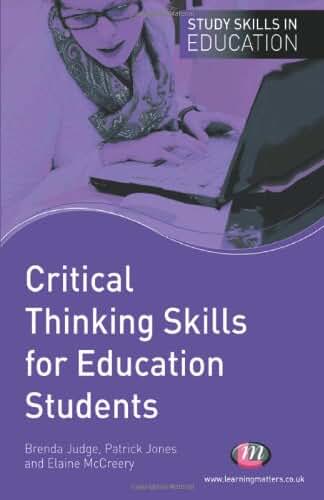
Develops analytical reasoning abilities crucial for educational assessment. · Enhances problem-solving techniques applicable to academic evaluation. · Provides strategies for effective information processing and interpretation.
This resource offers foundational training in critical thinking, a core competency for objective evaluation and assessment in educational contexts.

Explores foundational principles of art therapy. · Identifies key sources and resources for art therapy practice. · Provides practical insights for applying art therapy concepts.
This book introduces fundamental concepts and resources in art therapy, relevant for understanding diverse evaluative approaches in specialized fields.

Details strategies for parliamentary debate. · Offers guidance on argumentation and rebuttal techniques. · Covers the structure and rules of competitive debate.
This handbook provides essential knowledge in debate methodology, directly applicable to understanding and implementing structured evaluation and argumentation processes.

Outlines the framework for culinary competitions. · Details judging criteria and standards. · Offers insights into competition management and execution.
This guide provides domain-specific knowledge on competition standards and judging practices within the culinary arts, offering a model for specialized certification.
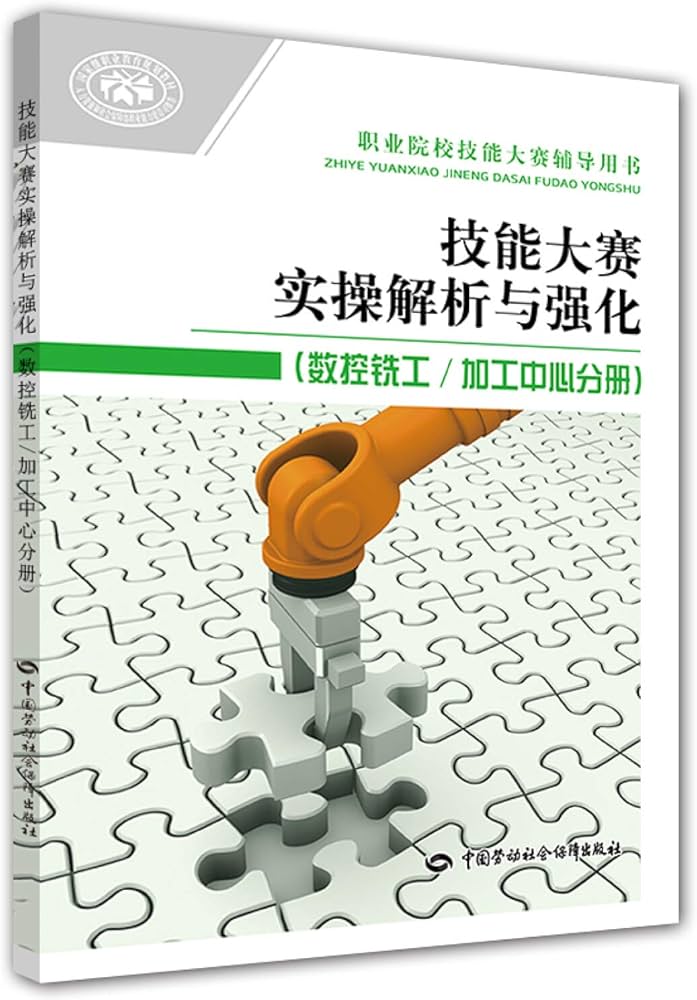
Analyzes skills evaluation methods in vocational competitions. · Focuses on the elderly service vocational skills competition. · Examines research on assessment techniques.
This research offers insights into the methodologies of skills evaluation within vocational competitions, providing a framework for understanding assessment in practical skill-based certifications.
As an Amazon Associate I earn from qualifying purchases. Prices may vary.
No comments yet. Be the first to share your thoughts!