
The reality of judging without a certificate
Many people step into judging roles casually, often based on experience or a request from an organization. However, pursuing formal judge training certification elevates your performance and provides significant benefits. A structured program ensures fairness and consistency in evaluations, ultimately enhancing the integrity of any competition. This isn't simply about avoiding bias; it's about developing a refined skillset for objective assessment.
The demand for certified judges is growing, particularly in areas where stakes are high – think scholastic competitions, athletic events, and even culinary arts. Organizations are increasingly recognizing the value of standardized judging practices. It’s not just about having expertise in the subject matter; it's about knowing how to evaluate effectively and provide constructive feedback.
There’s a misconception that certification is solely for professional judges. That’s not true. Anyone committed to fair and accurate evaluation can benefit, from parent volunteers at a science fair to seasoned professionals looking to refine their skills. Investing in training demonstrates a commitment to the competition and the participants, and can significantly improve your confidence as a judge.
Speech and debate accreditation through the NSDA
The National Speech & Debate Association (NSDA) offers a robust Judge Accreditation program, designed specifically for those evaluating speech and debate events. The curriculum covers a wide range of topics, including judging philosophy, constructive criticism techniques, and event-specific guidelines. NSDA Learn provides the platform for accessing these modules, and completion leads to official accreditation.
The assessment process involves a combination of studying provided materials and passing quizzes to demonstrate comprehension. Different modules cater to specific disciplines – speech events like Public Forum and Extemporaneous Speaking have their own focused training. Debate accreditation is similarly divided, covering formats like Policy Debate and Lincoln-Douglas Debate. This tailored approach ensures judges are well-prepared for the events they’ll be evaluating.
Expect to pay between $30 and $75 per event type. It usually takes about five or six hours to get through the material if you're focused. You'll need to check back for refresher courses to keep the accreditation active. There is some talk about adding modern formats like Public Forum Superseries, but for now, the focus is on the core events.
The NSDA’s focus remains firmly on high school and middle school speech and debate. While incredibly thorough within that sphere, the accreditation doesn’t directly translate to judging in other competitive areas. It’s a specialized qualification, and its value is greatest within the NSDA’s ecosystem.
The physical requirements of CrossFit judging
The CrossFit Judges Course takes a markedly different approach than the NSDA accreditation. This certification is heavily focused on practical application and physical understanding of movements. Judges aren't simply evaluating performance; they're ensuring athlete safety and adherence to strict movement standards. The 2026 Judges Course is a 2 Continuing Education Unit (CEU) online course.
A significant portion of the CrossFit Judges Course centers on recognizing proper form and identifying common errors that could lead to injury. Judges must be able to differentiate between acceptable variations and violations of movement standards. This requires a deep understanding of biomechanics and the ability to assess movement under pressure. Unlike the NSDA’s focus on rhetoric and argumentation, CrossFit judging is intensely physical.
You need to know the movements before you sign up. If you've never done a clean and jerk, you'll struggle to judge one. The certification lasts two years before you have to test again. While the bulk of the work is online, many gyms host weekend workshops to practice live scoring. This is really for people already inside a box, not outside observers.
Comparing Certification Structures
Directly comparing the NSDA and CrossFit programs reveals fundamental differences in their scope and focus. The NSDA offers a broader, more theoretical approach to judging, while CrossFit prioritizes practical skills and physical assessment. Neither program is "better" – they are designed for different contexts.
Here's a breakdown of key differences:
The NSDA accreditation is best suited for those judging speech and debate events, providing a comprehensive understanding of argumentation, rhetoric, and event-specific criteria. The CrossFit certification, conversely, is essential for anyone judging CrossFit competitions, emphasizing movement standards, safety, and adherence to the CrossFit methodology. I think it’s fair to say the NSDA is broader in its aim of improving overall judging skills, while CrossFit is extremely specialized.
- NSDA costs $30-$75 per event; CrossFit is a flat $150.
- Time Commitment: NSDA (4-8 hours per event type) vs. CrossFit (10-15 hours, plus practical assessment)
- Recertification: NSDA (ongoing engagement, potential refresher courses) vs. CrossFit (every 2 years)
- Area of Focus: NSDA (rhetoric, argumentation, event-specific criteria) vs. CrossFit (movement standards, safety, physical assessment)
Judge Training Certification Programs: A Comparison (2026)
| Certification Body | Cost | Time Commitment | Primary Focus | Accessibility | Discipline Specificity |
|---|---|---|---|---|---|
| National Speech & Debate Association (NSDA) | Varies based on membership status | Self-paced; estimated 6-8 hours for accreditation modules | Argumentation, Persuasion, Policy Debate, Lincoln-Douglas Debate, Speech events | Online | High |
| CrossFit | Information regarding 2026 course pricing is forthcoming | Comprehensive course structure; estimated 20+ hours including practical application | Movement Standards, Fault Analysis, Competition Protocol | Primarily In-Person with potential online components | High |
| Future Program (Hypothetical - Robotics) | Likely tiered pricing structure, potentially $100 - $500 | Estimated 8-12 hours, including video review and quiz completion | Robotics Judging Criteria, Robot Performance Evaluation, Team Interview Skills | Online | High |
| Future Program (Hypothetical - Science Fair) | Potentially free for volunteer judges, paid options for professional development | Estimated 4-6 hours, covering project assessment and ethical considerations | Scientific Method, Research Design, Data Analysis, Presentation Skills | Online and potentially blended learning | Medium |
| Academic Decathlon | Varies by state/local organizing committee | Typically 4-8 hours of training, often delivered in-person | Subject Matter Expertise (various academic subjects), Objective Test Scoring, Interview Techniques | Primarily In-Person, some online resources | Medium |
Illustrative comparison based on the article research brief. Verify current pricing, limits, and product details in the official docs before relying on it.
Finding your niche in robotics or culinary arts
The NSDA and CrossFit represent two of the most well-established judging certification programs, but numerous other organizations offer specialized credentials. Science fairs, robotics competitions (like FIRST Robotics), culinary contests, and even dog shows all have their own judging standards and often offer training or certification programs.
Finding these niche certifications can be more challenging. Organizations like 4-H often provide judging training for agricultural and livestock competitions. Culinary organizations, such as the American Culinary Federation, offer certifications for chefs and judges in culinary arts. For robotics, look to FIRST Robotics or VEX Robotics for judging resources.
Quality control can be inconsistent across these smaller programs. It’s crucial to research the organization's reputation and the credentials of the instructors. Look for certifications that are recognized within the specific competitive community you’re interested in.
- ISEF provides the standard training for high-level science and engineering fairs.
- Robotics: FIRST Robotics and VEX Robotics provide judging guides and workshops.
- Culinary Arts: American Culinary Federation (ACF) offers judging certifications.
- Animal Shows: Breed-specific organizations often have judging programs.
Judging Certification Programs
- Intel International Science and Engineering Fair (ISEF) - ISEF offers comprehensive judge training specifically for science fairs. Their program focuses on evaluating student research projects based on scientific rigor and creativity. Training materials cover the ISEF rule book and judging criteria.
- VEX Robotics - VEX Robotics provides judge training for their robotics competitions, including VEX IQ Challenge and VEX Robotics Competition. Training materials cover robot design, programming, teamwork, and the judging process, emphasizing the VEX Robotics Competition Award system.
- FIRST - FIRST (For Inspiration and Recognition of Science and Technology) offers judge training for its various robotics competitions (FIRST LEGO League, FIRST Tech Challenge, FIRST Robotics Competition). The training focuses on evaluating teams based on robot performance, innovation, and demonstration of FIRST core values.
- American Culinary Federation (ACF) - The ACF provides certification programs for culinary professionals, including judging certifications for culinary competitions. These programs cover food presentation, taste, technique, and adherence to culinary standards. ACF judging certifications are widely recognized in the culinary industry.
- National Speech & Debate Association - The NSDA offers resources and training for judges in speech and debate events. Training focuses on understanding event rules, evaluating arguments, and providing constructive feedback to students. They provide access to judging manuals and online resources.
- Destination Imagination - Destination Imagination provides judge training focused on evaluating creative problem-solving challenges. The training emphasizes assessing team solutions based on creativity, innovation, teamwork, and adherence to challenge requirements.
- Odyssey of the Mind - Odyssey of the Mind offers judge training for its creative problem-solving competition. Training materials cover the judging criteria, scoring rubrics, and the importance of evaluating teams based on originality and collaborative effort.
Cost Breakdown & Financial Aid
The financial investment in judge training certification varies significantly. As previously mentioned, NSDA accreditation can range from $30 to $75 per event type, while the CrossFit Judges Course costs around $150. Niche certifications can fall anywhere within that range, or even exceed it, depending on the complexity and duration of the program.
Beyond the course fee, consider potential costs for materials, travel (if required for in-person training), and membership dues to the certifying organization. Some programs may require you to purchase rulebooks or judging guides. It's important to factor these hidden costs into your budget.
Financial aid opportunities are limited but worth exploring. Some organizations may offer discounts for volunteers or students. Check with the certifying organization directly to inquire about scholarships or payment plans. It's possible local competition organizers might sponsor your training if you commit to judging their events.
Maintaining Your Certification
Obtaining a judge training certification isn't a one-time achievement; it requires ongoing commitment. Most organizations have requirements for maintaining your credentials, ensuring judges stay current with best practices and evolving standards. This might involve continuing education, accumulating a certain number of judging hours, or passing periodic recertification exams.
The NSDA emphasizes ongoing engagement with their resources and recommends participating in refresher courses. CrossFit requires judges to recertify every two years, typically through an online course and practical assessment. Failing to meet these requirements will result in the loss of your certification.
Staying active in the judging community and adhering to ethical guidelines are also crucial for maintaining your credibility. It's easy to let a certification lapse if you don't actively participate and stay informed. Proactive maintenance demonstrates your commitment to fair and accurate evaluation.
- Continuing Education: Participate in workshops or online courses.
- Judging Hours: Accumulate a minimum number of judging assignments.
- Recertification Exams: Pass periodic assessments to demonstrate continued competency.
- Ethical Conduct: Adhere to the organization's code of ethics.
Essential Tools for Certified Judges in 2026
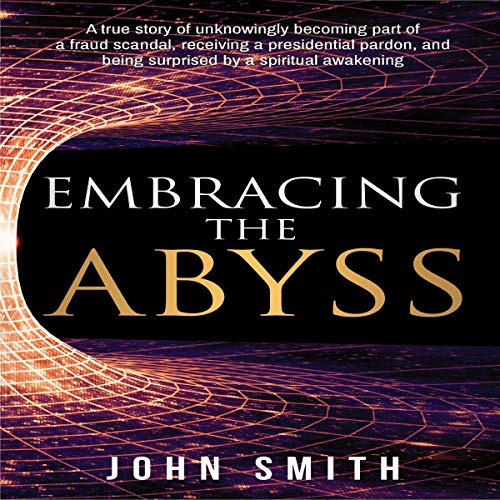
Comprehensive guide to effective judging · Covers principles and best practices · Ideal for competition officials
This foundational text provides the theoretical framework and practical advice necessary for developing robust judging skills.

Set of 3 reusable stencils · Features checklists, boxes, and lines · Suitable for journaling and daily planning
These flexible stencils offer a convenient method for creating organized and consistent evaluation forms or planning layouts.
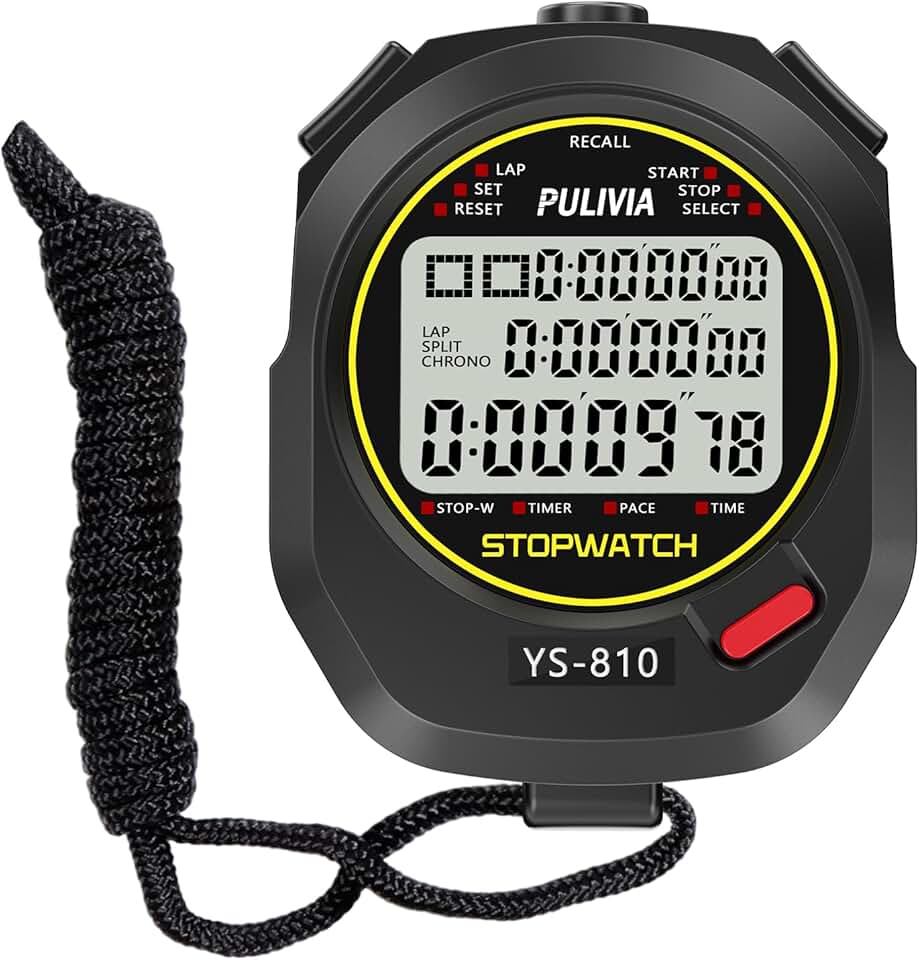
Digital stopwatch with 10 split/lap memory · Includes countdown timer and alarm · Large display for easy readability
This stopwatch is an indispensable tool for accurately timing events and recording performance data during competitions.

Set of 4 mini dry-erase paddles · Double-sided for quick responses · Includes handles for easy use
These response paddles facilitate immediate and clear feedback during evaluations or interactive judging scenarios.

Explores ethical dilemmas in medicine · Examines contemporary issues · Relevant for bioethics and legal contexts
This book delves into the complex ethical considerations inherent in medical judgment, offering critical insights for specialized fields.
As an Amazon Associate I earn from qualifying purchases. Prices may vary.
No comments yet. Be the first to share your thoughts!