
Judging in the digital age
Competition is evolving, and with it, the role of the judge. We are seeing a dramatic increase in online contests and events, from speech and debate tournaments to science fairs and esports leagues. This shift demands a new level of rigor in judging practices. Evaluating a performance remotely presents unique challenges—it's harder to gauge nonverbal cues, ensure fair access to technology, and prevent cheating.
Historically, judging relied heavily on experience and personal preference. While those remain important, the need for standardized criteria and demonstrable competence is growing. Competition organizers are increasingly seeking judges who have undergone formal training, and participants deserve evaluations based on consistent, objective standards. The rise of digital competitions has accelerated this trend, making formal judge training more valuable than ever.
Judging is a professional skill. It isn't enough to be an expert in a field; you have to know how to score others without letting your own bias creep in. These seven programs are the current standard for online certification in 2026.
The value of certification
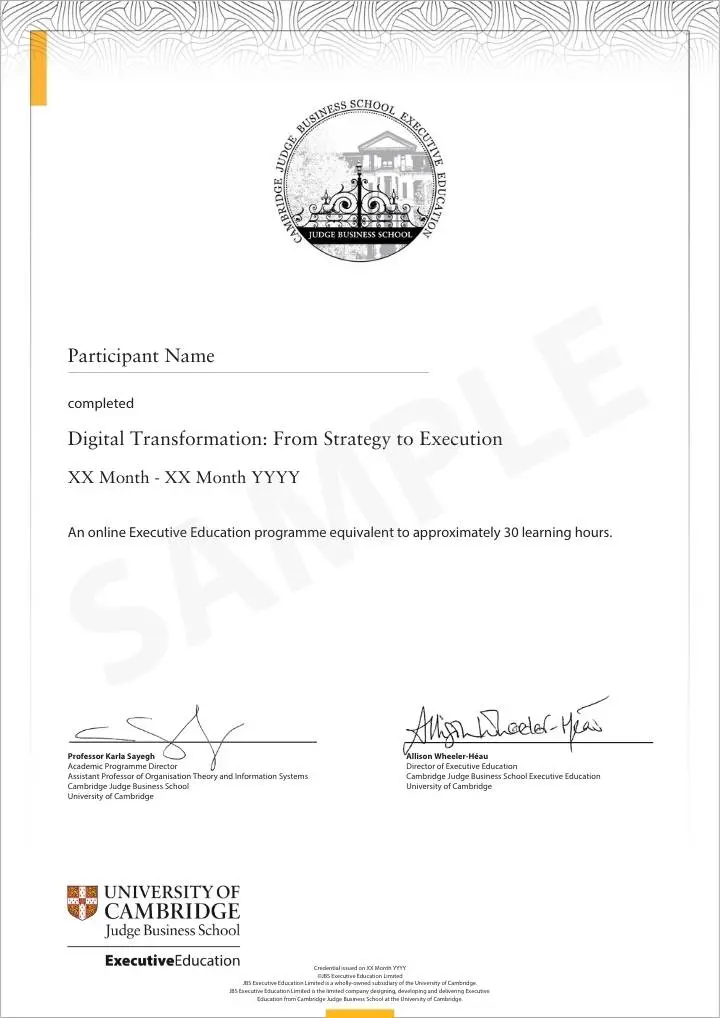
Certification is often a hard requirement for high-level events. Organizers use these credentials to filter for people who actually understand the specific rubrics used in their circuit. It moves you from the volunteer pool into the professional rotation.
Beyond credibility, certification promotes consistency in scoring. Standardized training ensures that judges apply the same criteria to all participants, reducing bias and improving the overall fairness of the competition. A well-defined rubric and a clear understanding of evaluation standards are essential for consistent results. Certification helps instill this understanding.
Ethical considerations are also paramount. Judge training programs emphasize the importance of impartiality, conflict of interest disclosure, and maintaining confidentiality. Understanding judging ethics isn’t just about avoiding wrongdoing; it’s about fostering a positive and respectful competitive environment. Finally, certification can open doors to paid judging opportunities and enhance your professional profile.
However, it’s important to acknowledge the downsides. Certification programs require a time commitment and often involve a financial cost. As of late 2025, program costs can range from $50 to $300 or more, depending on the scope and depth of the training. It’s crucial to weigh these factors against the potential benefits before enrolling.
- Increased Credibility: Gain recognition from competition organizers.
- Consistent Scoring: Apply standardized criteria for fair evaluations.
- Ethical Understanding: Learn best practices for impartial judging.
- Potential Career Advantages: Open doors to paid opportunities.
Top 7 Online Judge Training Programs (2026)
The market for online judge training is expanding, but not all programs are created equal. I’ve evaluated numerous options and identified seven that stand out for their quality, recognition, and relevance as of early 2026. These programs cover a range of competition types, from speech and debate to STEM fields and public speaking. Pricing and content are subject to change, so double-check details on the program websites.
1. NSDA Learn (National Speech & Debate Association): A leading program for speech and debate judging. Offers a comprehensive Judge Accreditation course. (Cost: ~$150, Time Commitment: 8-10 hours).
2. Toastmasters International Judge Training: Focuses on evaluating speeches and leadership skills. Ideal for public speaking competitions. (Cost: Varies by district, typically under $50, Time Commitment: 4-6 hours).
3. ISEF (International Science and Engineering Fair) Judge Training: Specifically designed for science fair judges. Emphasizes scientific rigor and project methodology. (Cost: Free, Time Commitment: 6-8 hours).
4. FIRST Robotics Judge Training: Geared towards robotics competitions. Covers robot design, programming, and teamwork. (Cost: Free for registered volunteers, Time Commitment: 8-12 hours).
5. VEX Robotics Judge Training: Similar to FIRST, but focuses on the VEX Robotics platform. (Cost: Free for registered volunteers, Time Commitment: 6-10 hours).
6. Future Problem Solving Program International Judge Training: For competitions centered around collaborative problem-solving. (Cost: ~$75, Time Commitment: 4-6 hours).
7. 4-H Competitive Events Judge Training: Covers a broad range of 4-H competitions, including livestock, horticulture, and public speaking. (Cost: Varies by state, typically under $100, Time Commitment: 4-8 hours).
The NSDA accreditation process
The National Speech & Debate Association (NSDA) Learn platform is arguably the most recognized and respected judge training program for speech and debate competitions. Their Judge Accreditation program is designed to equip judges with the knowledge and skills to evaluate rounds fairly and effectively. According to speechanddebate.org, the program consists of several modules covering topics like debate theory, speech analysis, and judging ethics.
The curriculum includes video lectures, readings, and interactive quizzes. The assessment process involves passing a comprehensive exam demonstrating understanding of the NSDA’s judging standards. Accreditation is valid for two years and requires completion of a refresher course for renewal. The NSDA emphasizes consistent application of rubrics and provides resources to help judges address common challenges. This program is a solid investment for anyone serious about judging speech and debate.
Toastmasters Judging Training
Toastmasters International offers a robust judging training program specifically tailored for evaluating speeches and leadership skills. As outlined in a 2023-2024 training document from d46toastmasters.org, the training focuses on understanding the speech contest rulebook, completing judge’s ballots accurately, and reporting results effectively. It’s particularly valuable for those judging communication-focused competitions.
Unlike the NSDA program, Toastmasters training is often delivered through in-person workshops led by experienced judges. While online resources are available, the emphasis is on interactive learning and practical application. This program is an excellent choice for individuals involved in Toastmasters clubs or judging public speaking events outside of the NSDA circuit. It's typically a more affordable option as well.
STEM Competition Judging Options
Judging STEM competitions—science fairs, robotics events, and engineering challenges—requires a different skillset than judging speech or debate. These competitions demand an understanding of scientific methodology, technical accuracy, and innovation. Several organizations offer specialized judge training programs.
The ISEF (International Science and Engineering Fair) provides free online training for judges, focusing on evaluating research projects based on scientific merit, creativity, and thoroughness. Robotics competitions, like FIRST and VEX, offer training modules covering robot design, programming, and teamwork. These programs emphasize the importance of fair and consistent application of judging criteria, and often involve hands-on simulations.
Beyond Certification: Resources & Communities
Formal certification is a valuable step, but continuous learning is essential for any judge. Numerous free resources and online communities can help you stay current with best practices and refine your judging skills. Many competition organizations provide judging guides, rubrics, and sample evaluations on their websites.
Online forums and social media groups dedicated to judging offer opportunities to connect with other judges, share experiences, and ask questions. Consider joining professional organizations related to your area of expertise. Mentoring from experienced judges can also be incredibly valuable. Seek out opportunities to observe seasoned judges in action and receive constructive feedback on your own evaluations. The more you learn, the better equipped you’ll be to provide fair and insightful assessments.
Essential Reading for Judges: Communication, Critical Thinking, and Bias Awareness

Explores the two systems that drive the way we think · Explains cognitive biases and their impact on judgment · Offers insights into heuristics and decision-making
This foundational text offers judges profound insights into cognitive biases and the nuances of fair evaluation, enhancing their decision-making capabilities.

Provides tools for navigating high-stakes conversations · Focuses on dialogue and mutual respect · Offers strategies for achieving positive outcomes in difficult discussions
This foundational text offers judges profound insights into effective communication strategies, enhancing their decision-making capabilities.

Examines unconscious biases that affect perceptions and decisions · Provides research-based insights into implicit prejudice · Offers strategies for recognizing and mitigating hidden biases
This foundational text offers judges profound insights into cognitive biases, enhancing their decision-making capabilities.

Introduces a framework for empathetic communication · Focuses on expressing needs and listening compassionately · Offers practical tools for resolving conflict and fostering understanding
This foundational text offers judges profound insights into effective communication strategies, enhancing their decision-making capabilities.
As an Amazon Associate I earn from qualifying purchases. Prices may vary.
No comments yet. Be the first to share your thoughts!