
The shift toward professional judging
Remember the explosion of competitive reality TV? Baking shows, talent competitions, even robotics leagues—they’re everywhere. And with that growth comes a bigger need for qualified judges. It’s no longer enough to just be passionate about a subject; judging is becoming a legitimately professional skill. I've noticed a real shift in the last few years, especially with the increase in participation we’ve seen since 2023.
For a long time, people assumed if you were excellent at something, you’d automatically be good at evaluating it. That’s simply not true. Judging requires a specific skillset – the ability to assess objectively, provide constructive feedback, and, crucially, recognize and mitigate your own biases. We all have them! Without training, personal preferences can easily creep into evaluations.
Standardized evaluation keeps the playing field level. When a judge is trained, they apply rules the same way every time, which prevents the frustration of inconsistent scoring that ruins many events.
Post-pandemic, participation in many competitive activities has surged. More participants mean more pressure on judges to be prepared and impartial. A solid judge training certification isn't just a nice-to-have; it’s becoming an expectation.
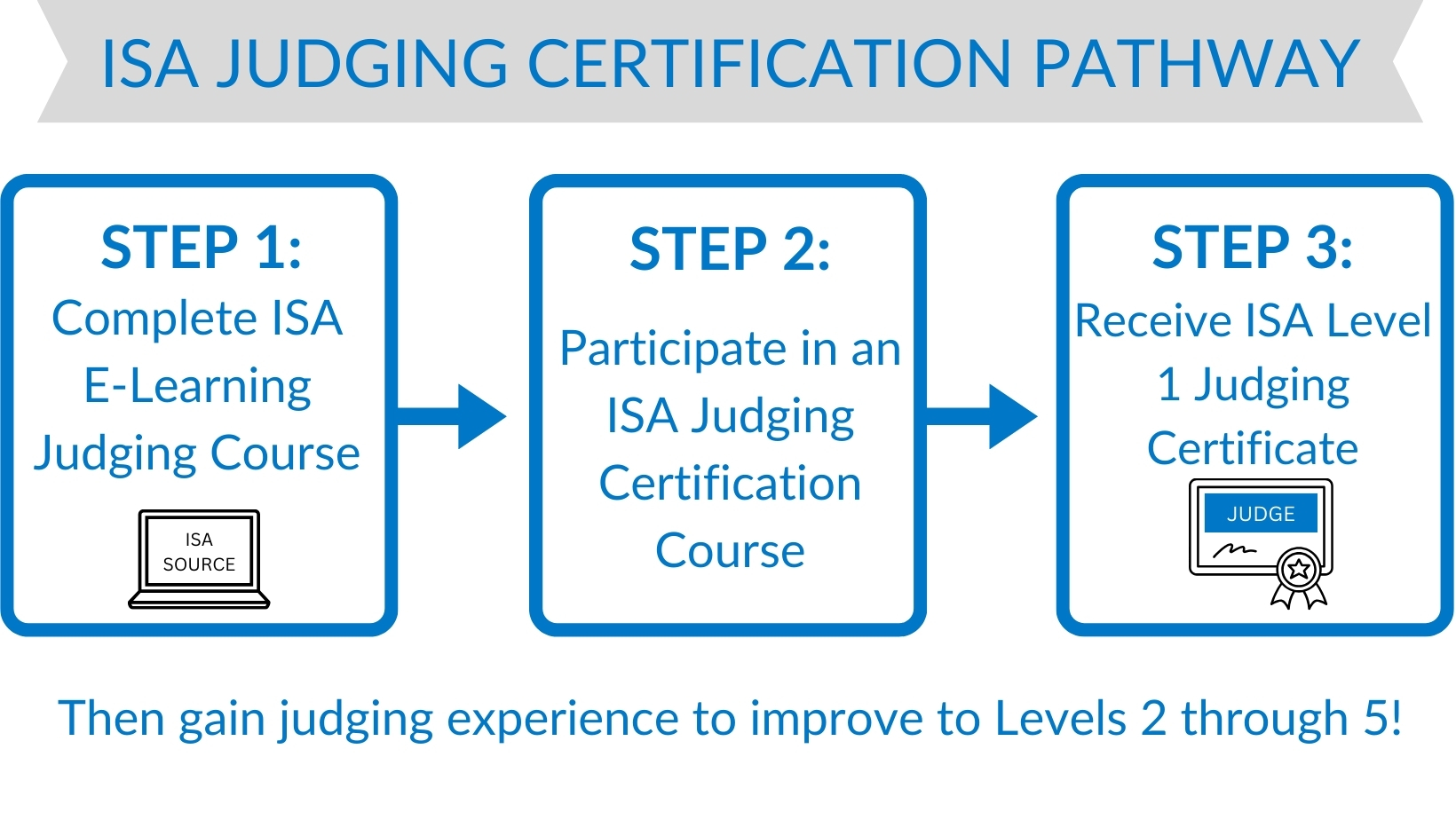
What you actually learn in training
Judge training isn’t about memorizing a rulebook (though that’s part of it!). It’s about developing a critical skillset for fair and effective evaluation. These programs go far beyond simply knowing what the rules are; they focus on how to apply them consistently and objectively.
A major component of most training is bias awareness. This covers both explicit biases – conscious preferences – and implicit biases, those we aren’t even aware we hold. Learning to identify these biases in yourself and others is fundamental to fair judging. Techniques for providing constructive feedback are also key; it’s not enough to just say something is 'good' or 'bad'.
Rubric design and application are also frequently covered. A well-designed rubric provides clear criteria for evaluation, minimizing subjectivity. Training also addresses conflict resolution – how to handle disagreements with participants or fellow judges professionally and fairly. Finally, understanding different scoring methodologies, like comparative judgment (ranking contestants against each other) versus holistic scoring (evaluating based on overall impression), is essential.
Good judging is an active skill, requiring constant self-reflection and a commitment to fairness. It’s a skillset that improves with practice and ongoing learning. It is not something you just have.
- Spotting and reducing personal bias
- Providing constructive feedback
- Rubric design and application
- Conflict resolution
- Understanding scoring methodologies
Top Online Certification Programs (2026)
The quality of online judge training varies. These are the most reliable programs available for 2026, though you should verify current pricing directly on their sites before signing up.
National Speech and Debate Association (NSDA) Learn: The NSDA offers a comprehensive judge accreditation program specifically for speech and debate competitions. As of November 2026, access to the NSDA Learn platform requires a membership, which starts around $125 annually. The accreditation course itself costs around $75 and takes approximately 8-10 hours to complete. The NSDA accreditation is valid for three years and requires recertification. Their focus is, unsurprisingly, on speech and debate events.
Aspects Judges: Based on a YouTube lesson from SWU Judges (uploaded April 30, 2026), aspectsjudges.org appears to be a resource for judge training and mentorship. While the YouTube video focuses on evaluation and mentorship skills, the website itself is a little sparse on details regarding specific certification programs. It seems to offer training primarily focused on debate and speech judging, and appears to be more of a community and resource hub than a formal certification provider. I wasn’t able to find specific pricing information.
Toastmasters International: While not a dedicated 'certification,' Toastmasters offers extensive judge training specifically for their speech contests. The training materials, as outlined in a D46 Toastmasters document from 2023/2024, cover judging ballots and contest procedures. This training is free for Toastmasters members, but is geared towards evaluating speeches within the Toastmasters framework. It's a great starting point, but may not be sufficient for judging other types of competitions.
4-H Judge Training: For those interested in judging at 4-H competitions (livestock, agricultural projects, etc.), many state 4-H organizations offer online judge training. These programs vary widely in cost and content depending on the state and the specific project area. A quick search for "[State Name] 4-H judge training" will usually turn up relevant resources.
Science Fair Judge Training: The Society for Science offers online training for science fair judges. The training is free and covers topics like evaluating scientific methodology, assessing project safety, and understanding ethical considerations. It's a valuable resource for anyone judging science fairs at the local, regional, or national level. The curriculum takes approximately 2-3 hours to complete.
Workshops vs. formal accreditation
With so many organizations offering 'judge training,' it’s important to understand the difference between a simple workshop and a formal accreditation. A workshop might provide valuable skills, but it doesn’t necessarily guarantee a standardized level of competence. Accreditation, on the other hand, typically involves a more rigorous assessment process.
Accreditation from a recognized body – like the NSDA for speech and debate – carries more weight. It signals that the judge has met specific standards of knowledge and skill. However, even accredited programs vary in their requirements and recertification processes. Always look for programs that offer ongoing professional development opportunities.
A program that isn't accredited isn't automatically worthless. It might still offer valuable training, especially if it’s tailored to a specific competition type. But you should carefully evaluate the program’s curriculum and instructor qualifications before investing your time and money. Consider the reputation of the organization offering the training.
- Workshops: These teach skills but don't usually include a final exam or official credential.
- Accreditation: Rigorous assessment, standardized competence.
- Non-accredited: May still be valuable, evaluate curriculum carefully.
Judge Training & Accreditation Programs: A Comparative Overview (2026)
| Accreditation Body | Reputation & Reach | Curriculum Rigor | Recertification | Industry Recognition |
|---|---|---|---|---|
| National Speech & Debate Association (NSDA) | High - Widely recognized nationally in speech & debate | High - Focuses on NSDA rules & judging philosophy | Required - Periodic re-accreditation through NSDA Learn modules 📚 | Very High - Standard for many high school competitions |
| State Speech & Debate Associations (e.g., Texas Forensic Association) | Medium to High - Varies significantly by state; strong within that state | Medium - Curriculum tailored to state-specific rules and formats | Often Required - Many require annual or biennial recertification | High - Respected within the state's competitive circuit |
| Independent Judging Organizations (Various Providers) | Low to Medium - Reputation depends heavily on the specific provider | Medium - Curriculum quality varies; some offer specialized training | Varies - Some offer optional recertification; others do not | Low to Medium - Acceptance depends on the contest/organization |
| National Federation of State High School Associations (NFHS) | Medium - Broad reach across high school activities, including speech | Low to Medium - General officiating principles; less specific to debate/speech | Not Typically Required - Focus is on initial certification for events | Medium - Recognized broadly, but less specialized than NSDA |
| Toastmasters International (Judge Training) | Medium - Strong in public speaking evaluation skills | Medium - Focuses on constructive feedback and speech analysis | Ongoing - Continuous improvement through club evaluations and leadership roles | Medium - Valuable for speech-focused events, less so for debate |
| Online Debate/Speech Workshops (e.g., through coaching companies) | Low to Medium - Dependent on the instructor and company's reputation | Varies - Can range from introductory to advanced levels | Rarely Required - Typically one-time workshops | Low - Often supplemental to formal accreditation |
Qualitative comparison based on the article research brief. Confirm current product details in the official docs before making implementation choices.
What it costs to get certified
The financial commitment to judge training varies significantly. As mentioned earlier, the NSDA Learn accreditation costs around $75, plus the annual membership fee of $125. Other programs may be free (like Toastmasters for members) or fall somewhere in between. Be sure to factor in all potential costs.
Don't forget to consider the value of your time. Online courses can take several hours to complete, and some programs may require ongoing continuing education. Travel expenses could also be a factor if any in-person components are involved. While I haven’t found widespread scholarship opportunities specifically for judge training, it’s worth checking with the program provider or relevant competition organizations.
For example, if you plan to judge science fairs regularly, the cost of the Society for Science training is minimal (it’s free!), but the time commitment for multiple competitions could add up. Weigh the costs and benefits carefully to determine which program is the best fit for your needs.
Maintaining Your Credentials: Ongoing Development
Certification isn’t a one-time accomplishment; it’s a commitment to ongoing professional development. Competition rules and best practices are constantly evolving, so it’s important to stay up-to-date. Many organizations require recertification every few years to ensure judges maintain their skills and knowledge.
The NSDA, for example, requires recertification every three years. Look for programs that offer continuing education opportunities, such as webinars, workshops, or online courses. The YouTube video from SWU Judges highlighted the importance of judge mentorship – seeking guidance from experienced judges can be incredibly valuable.
Participating in judge communities and forums can also help you stay informed and connected. Sharing experiences and learning from your peers is a great way to improve your judging skills. Being a good judge is a continuous learning process, and a commitment to ongoing development is essential for maintaining your credentials and providing fair and effective evaluations.
Essential Resources for Aspiring Certified Judges

Explores the art of persuasion through historical and pop culture examples · Covers rhetorical strategies and logical fallacies · Revised and updated edition
This book offers a fun and engaging dive into the principles of argumentation, essential for understanding how to effectively present cases and evaluate them.

Provides a structured program for improving parent-child communication · Focuses on active listening and conflict resolution skills · Aims to foster responsibility and cooperation in children
While focused on parenting, the communication and conflict resolution techniques taught here are transferable to understanding how to manage discussions and guide participants in a judging context.

Explains how to create and use rubrics for assessment · Highlights benefits like saving time and providing clear feedback · Aims to enhance student learning through effective evaluation
Understanding rubrics is key to objective evaluation, providing consistent feedback, and ensuring fairness, all critical skills for any certified judge.

Focuses on identifying and evaluating bias in psychological assessments · Provides practical guidance for professionals · Part of a respected series on psychological assessment
This resource delves into the crucial aspect of evaluating potential biases, a vital skill for ensuring fair and impartial judgment in any evaluative process.

Guides readers on effectively giving and receiving feedback · Aims to improve managerial skills through feedback techniques · Focuses on the process and art of constructive criticism
Mastering constructive feedback is fundamental for providing helpful critiques and guiding improvement, a core competency for anyone involved in judging or certification.
As an Amazon Associate I earn from qualifying purchases. Prices may vary.
No comments yet. Be the first to share your thoughts!