
Judging costs beyond the hourly rate
Hourly rates are only the starting point. If you only budget for the judge's time on the day, you'll likely blow your budget by 30% or more. Real costs include the weeks of recruitment and the specific software needed to keep scores honest.
Recruitment is a significant factor. Finding qualified judges takes time and effort, and potentially advertising costs. Then there's training – even experienced judges may need specific instruction on your event's criteria and scoring system. Depending on the event, travel and lodging for judges can add up quickly, especially if you're aiming for a diverse panel from different locations.
Don’t forget the technology costs. Scoring software, whether it’s a dedicated platform or a complex spreadsheet system, requires investment. And finally, there’s administrative overhead: the time spent managing judge schedules, communicating with participants, and resolving any disputes. A seemingly simple baking competition, for example, can quickly balloon in cost when you factor in ingredient costs for judge samples and the administrative time needed to manage contestant submissions.
Event complexity is the biggest cost driver. A wine tasting with detailed scoring rubrics demands more experienced (and therefore more expensive) judges than a local pet parade. Consider the number of entries, the number of judging rounds, and the level of expertise required. A low hourly rate for unqualified judges can ultimately cost you more in the long run due to inconsistent scoring and potential damage to your event's reputation.
In-house teams vs. agencies
You essentially have two main paths for securing judging services: building an in-house team or outsourcing to a professional agency. Both have distinct advantages and disadvantages. The 'right' choice depends heavily on the scale and nature of your event, as well as your organization’s internal resources.
An in-house approach offers maximum control. You select the judges, define the training, and manage the entire process directly. This can be appealing if you have specific expertise requirements or a strong brand identity you want to maintain. However, it’s also incredibly time-consuming and resource-intensive. You'll need dedicated staff to handle recruitment, scheduling, training, and logistics. It also requires a deep understanding of judging best practices to ensure fairness and consistency.
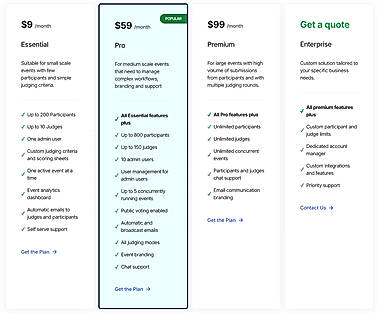
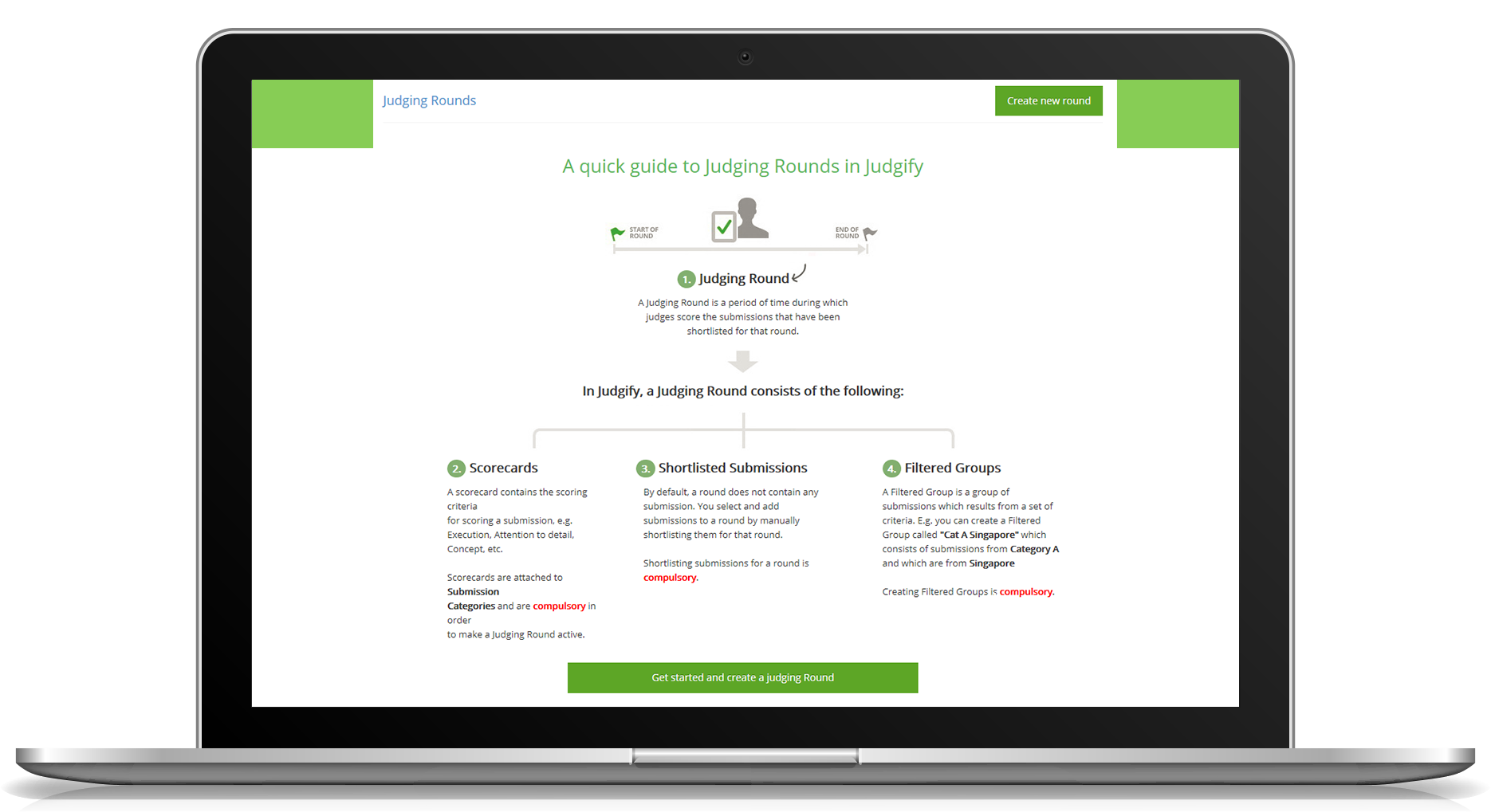
Agencies like RocketJudge and Judgify are better for scale. They have the judges ready and the software built. You pay a premium—often 20% above the cost of an in-house team—to hand off the logistics. The trade-off is that you lose some say in exactly how the judges are briefed.
In-house judging is best suited for smaller, less complex events where you have the internal capacity to manage the process effectively. Think internal company competitions or local community events. Agencies shine for larger events, especially those with high stakes or a need for impartial, expert evaluation. Consider a national robotics competition or a prestigious art show – these are scenarios where an agency’s expertise is invaluable.
In-House vs. Agency Judging: A Comparative Analysis for Event Organizers (2026)
| Event Scale | Judging Expertise | Implementation Time | Ongoing Administrative Load | Long-Term Cost |
|---|---|---|---|---|
| Small Events (Under 50 Entries) | Generalist Judges Sufficient | Fastest - Existing Team | Lowest - Managed Internally | Lower - Primarily Staff Time |
| Medium Events (50-200 Entries) | Some Specialized Knowledge Needed | Moderate - Requires Judge Recruitment/Training | Moderate - Increased Coordination | Moderate - Staff Time & Potential Training Costs |
| Large Events (200-500 Entries) | Significant Specialized Expertise | Slower - Extensive Recruitment/Training | Higher - Complex Logistics | Potentially Higher - Depending on Internal Resources |
| Very Large Events (500+ Entries) | Highly Specialized, Certified Judges | Slowest - Extensive Network Needed | Highest - Significant Coordination Required | Higher - Significant Staff/Volunteer Management |
| Simple Judging Criteria | Better for In-House | Faster Implementation | Lower Administrative Burden | Lower Overall Cost |
| Complex Judging Criteria | Better for Agency | Potentially Faster Implementation | Higher Initial Setup | Trade-off - Agency Fees vs. Internal Resource Strain |
| Tight Budget Constraints | Better for In-House | Lower Initial Costs | Increased Staff Time Investment | Potential for Reduced Quality if Expertise Lacking |
| Focus on Core Event Operations | Better for Agency | Frees Up Internal Resources | Reduced Administrative Overhead | Higher Upfront Investment |
Qualitative comparison based on the article research brief. Confirm current product details in the official docs before making implementation choices.
How pricing actually works
Understanding how judging services are priced is essential for accurate budgeting. There isn't a single, standardized model. You’ll encounter a variety of structures, each with its own pros and cons. Common models include per-judge hourly rates, per-entry fees, package deals, and subscription options.
Per-judge hourly rates are straightforward: you pay a fixed amount for each hour a judge spends evaluating entries. This is common for events with a relatively small number of entries and a predictable judging workload. However, it can be difficult to estimate the total cost upfront, as the actual time required may vary. Experienced judges typically command higher hourly rates – expect to pay more for specialists in a particular field.
Per-entry fees charge a fixed amount for each submission judged. This is often used for events with a large number of entries, such as photography contests or writing competitions. It provides cost predictability, but can become expensive if you have a high volume of submissions. Package deals bundle judging services with other event support, such as scoring software or administrative assistance. These can offer cost savings, but it’s important to carefully review what’s included.
Subscription options, offered by platforms like Judgify, provide access to judging tools and a network of judges for a recurring fee. This can be a good option for organizations that host multiple events throughout the year. Be aware of potential hidden fees, such as rush fees for expedited scoring or travel expenses for judges who need to travel to the event location. Always get a detailed quote before committing to any service.
ROI: Quantifying the Value of Expert Judging
I view judging costs as an investment in the event's survival. If the judging is sloppy, participants won't come back next year. High-quality panels are the reason top-tier sponsors like Red Bull or Adobe attach their names to competitions; they need to know the winners actually earned it.
Improved credibility is a major benefit. Impartial, expert judging builds trust among participants and stakeholders. This is particularly important for competitive events where prizes or recognition are at stake. A well-respected judging panel elevates the perceived value of your event and attracts higher-quality submissions. This, in turn, can lead to increased entry numbers – a measurable benefit.
Participant satisfaction is also directly linked to the quality of judging. Fair and consistent evaluation ensures that participants feel valued and respected. This encourages repeat participation and positive word-of-mouth marketing. Happy participants are more likely to become advocates for your event, promoting it to their networks.
Attracting sponsors is another key ROI driver. Sponsors want to associate their brands with reputable events. A professional judging process demonstrates your commitment to quality and integrity, making your event more attractive to potential sponsors. Higher sponsor revenue translates directly into increased profitability. While quantifying brand reputation is difficult, a successful, well-judged event will undoubtedly enhance your organization's image.
- Higher entry counts from repeat participants
- Higher sponsor revenue
- Improved brand reputation
- Enhanced participant satisfaction
ROI Benefits of Professional Judging
- Enhanced Credibility - Utilizing experienced, impartial judges builds trust with participants, sponsors, and the wider community, elevating the event’s reputation.
- Attracting Higher-Quality Submissions - A commitment to fair and expert evaluation, often communicated through judge bios and judging criteria, encourages more serious and talented entrants.
- Reduced Dispute Resolution Costs - Clear judging rubrics and a professional judging panel minimize complaints and the need for time-consuming and potentially costly dispute resolution processes.
- Improved Participant Experience - Constructive and insightful feedback from qualified judges, where offered, can significantly enhance the learning experience and overall satisfaction of participants.
- Increased Sponsor Appeal - Events perceived as well-run and fairly judged are more attractive to potential sponsors, leading to increased sponsorship revenue and in-kind support.
- Streamlined Judging Process - Professional judging services often bring established workflows and potentially judging software solutions, saving organizers significant administrative time and effort.
- Data-Driven Insights - Some judging services provide aggregated data and analytics on judging trends, which can inform future event improvements and refine competition criteria.
Judging Tech: Software Costs & Integration
Many professional event judging services now integrate technology platforms to streamline the process. These platforms offer features like online submission portals, digital scoring, automated reporting, and real-time data analysis. However, these platforms come with their own set of costs.
You’ll typically encounter subscription fees based on the number of users, entries, or features required. Some platforms charge per-user licenses, while others offer tiered pricing plans based on event size. Data storage costs can also be a factor, especially for events with a large number of submissions or media files. RocketJudge and Judgify both offer these types of platforms.
Integration with existing event management systems is crucial. Ideally, the judging platform should seamlessly connect with your registration system, communication tools, and reporting dashboards. This avoids manual data entry and reduces the risk of errors. Look for platforms that offer API integrations or pre-built connectors for popular event management software.
Beyond the core software costs, consider the time and effort required to learn and implement the platform. Some platforms are more user-friendly than others. Training resources and technical support are essential to ensure a smooth judging process. It’s important to assess your team’s technical capabilities and choose a platform that aligns with their skill set.
Hidden Costs: Avoiding Budget Blowouts
Even with careful planning, unexpected expenses can derail your judging budget. Being aware of potential pitfalls and building contingency plans is essential. One common issue is judge no-shows. Judges may cancel at the last minute due to illness or unforeseen circumstances. Always have a backup pool of qualified judges available.
Last-minute event changes can also add to your costs. If you need to adjust the judging criteria or add additional rounds, you may incur extra fees for judge time and administrative support. Similarly, scope creep – adding new categories or features to the event – can quickly inflate your budget. Clearly define the scope of the judging process upfront and stick to it.
Don't underestimate the need for additional support staff. You may need assistants to help with logistics, data entry, or communication. Consider the cost of printing, supplies, and refreshments for judges. It’s better to overestimate these expenses than to be caught short.
I've seen events completely derailed by failing to account for the time needed to resolve scoring disputes. A clear appeals process and a designated point person for handling complaints are essential. Building a 10-15% contingency into your budget can provide a safety net for unexpected expenses.
- Judge no-shows (keep a 10% backup pool)
- Last-minute event changes
- Scope creep
- Scoring disputes
What to watch for in 2026
The event judging landscape is evolving rapidly, driven by technological advancements and changing expectations. Looking ahead to 2026, several key trends are likely to shape the future of the industry. Increased demand for remote judging is almost certain, fueled by the convenience and cost savings it offers.
Remote judging allows you to tap into a wider pool of qualified judges, regardless of their location. It also reduces travel costs and logistical complexities. However, it requires robust technology infrastructure and clear guidelines for ensuring fairness and consistency. I’m cautiously optimistic about AI-assisted scoring. While fully automated judging seems unlikely in the near future, AI can be used to identify potential outliers or inconsistencies in scoring.
A greater focus on diversity and inclusion in judging panels is also gaining momentum. Event organizers are recognizing the importance of having a diverse range of perspectives represented in the judging process. This ensures fairness and avoids unconscious bias. Expect to see more emphasis on recruiting judges from underrepresented groups.
New technologies, such as blockchain, could potentially be used to enhance the security and transparency of the judging process. Blockchain can create an immutable record of scores and decisions, making it more difficult to tamper with the results. The key will be to balance innovation with practicality and ensure that these technologies add value without creating unnecessary complexity.
What's the biggest challenge you face when organizing event judging?
Whether you are planning your first competition or your fiftieth, we would love to hear what keeps you up at night. Vote below and let us know where you struggle most — your feedback helps us create better resources for the community!

No comments yet. Be the first to share your thoughts!