
Standard features for 2026
In 2026, a basic online form is no longer sufficient for managing a credible competition. A robust event judging service must offer a comprehensive suite of features. Secure submission handling is paramount, ensuring that entries are protected from unauthorized access and alteration. Blind judging capabilities – where judges are unaware of the entrant’s identity – are essential for eliminating bias.
Customizable scoring rubrics are another non-negotiable. The platform should allow organizers to define specific criteria and weightings, tailored to the unique requirements of their event. Real-time scoring updates provide transparency and allow for monitoring of judging progress. Equally important is robust reporting, offering detailed analytics on scores, judge performance, and overall competition results.
Mobile accessibility is increasingly crucial. Judges should be able to evaluate submissions from any device, anywhere with an internet connection. Finally, seamless integration with existing event management systems – registration platforms, CRM software, etc. – streamlines the workflow and reduces administrative overhead. Attempting to build a system from scratch is rarely cost-effective or efficient.
- Drop this list entirely.
- Blind Judging Capabilities
- Customizable Scoring Rubrics
- Real-time Scoring Updates
- Robust Reporting
- Mobile Accessibility
- Integration with Event Management Systems
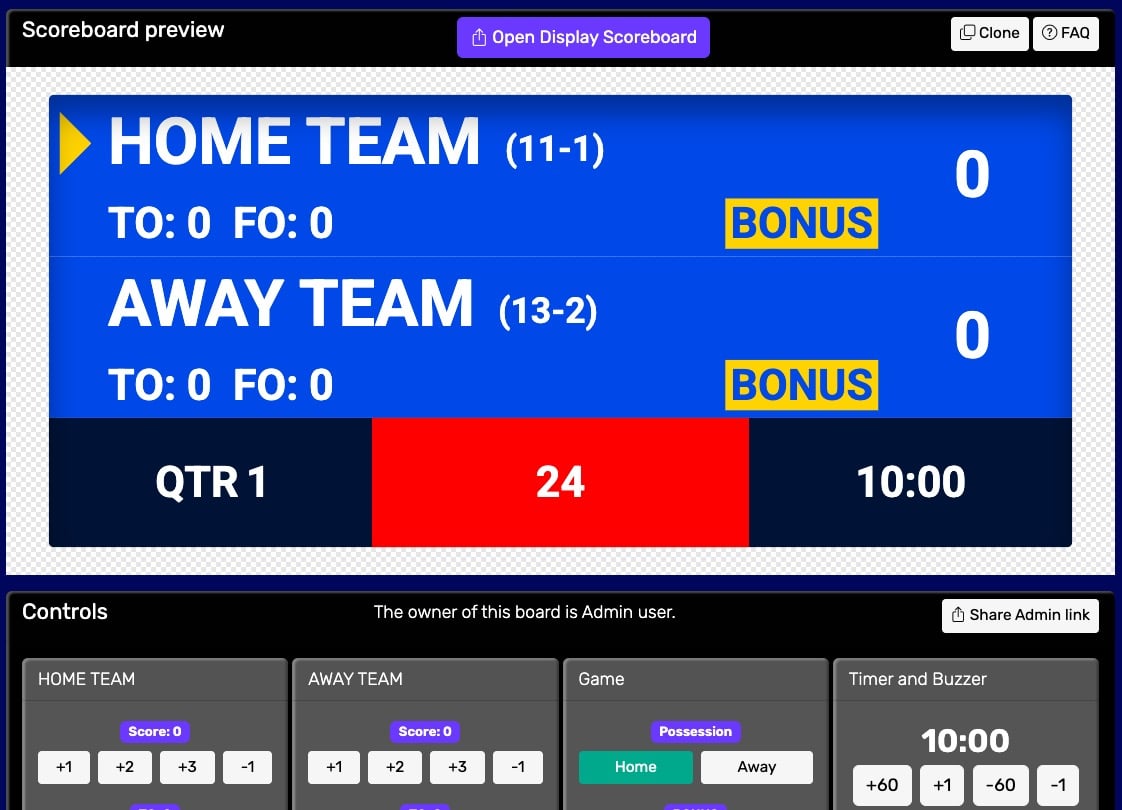
Designing rubrics for virtual screens
The quality of your scoring rubric directly impacts the fairness and validity of your competition. For remote judging, clarity and objectivity are even more critical than in traditional settings. Ambiguous criteria are easily misinterpreted, leading to inconsistent scoring across judges. Each criterion should be clearly defined, with specific examples of what constitutes excellent, good, fair, and poor performance.
Consider the scoring method carefully. Point-based systems are straightforward but can be susceptible to bias if not weighted appropriately. Ranking systems force judges to make direct comparisons, which can be useful for identifying top performers. Comparative judgment – where judges evaluate pairs of submissions – is gaining traction as a method for reducing bias and improving reliability. The choice depends on the nature of the competition and your goals.
Open-ended criteria like creativity or innovation are subjective. Detailed descriptors and anchoring examples help, but variation is inevitable. Run a pilot test with three judges before the main event to catch these ambiguities early.
- Define criteria with specific examples.
- Consider point-based, ranking, or comparative judgment.
- Pilot test the rubric for clarity.
Judge Training and Onboarding
Remote judging demands a more structured approach to judge training than traditional events. Simply providing a rubric isn't enough. Judges need thorough onboarding to the platform itself, including clear instructions on how to navigate the interface, access submissions, and submit scores. They also require a comprehensive understanding of the competition guidelines, including any specific rules or requirements.
Calibration exercises are vital for ensuring consistent scoring. These involve having judges independently evaluate the same set of submissions and then comparing their scores to identify and resolve any discrepancies. This process helps to establish a shared understanding of the rubric and minimize subjective bias. Providing feedback during these exercises is essential.
Technical difficulties are inevitable. Judges need to know who to contact for support and how to troubleshoot common issues. A dedicated help desk or support team should be available throughout the competition. I believe that a well-trained and supported judge is the foundation of a fair and credible competition. Proactive communication is key.
Platform Security and Data Integrity
Security is non-negotiable when it comes to event judging. The platform must employ robust data encryption, both in transit and at rest, to protect sensitive information. Access controls should be strictly enforced, limiting access to submissions and scores based on role and privilege. Regular security audits and penetration testing are essential to identify and address vulnerabilities.
Preventing cheating and manipulation of scores is a major concern. Features like IP address tracking, time stamps, and audit trails can help deter fraudulent activity. The platform should also have mechanisms for detecting and flagging suspicious behavior. Consider incorporating features like two-factor authentication for added security.
Compliance with relevant data privacy regulations – GDPR, CCPA, and others – is critical. The platform should provide clear policies on data collection, storage, and usage. I want to emphasize the importance of choosing a platform with a strong security track record and a commitment to data privacy. Cutting corners on security can have devastating consequences.
Comparing current judging platforms
RocketJudge and Judgify are the current leaders. RocketJudge is built for mobile use, making it the better choice for agricultural shows or track meets where judges move around. Judgify is better for static, high-volume contests.
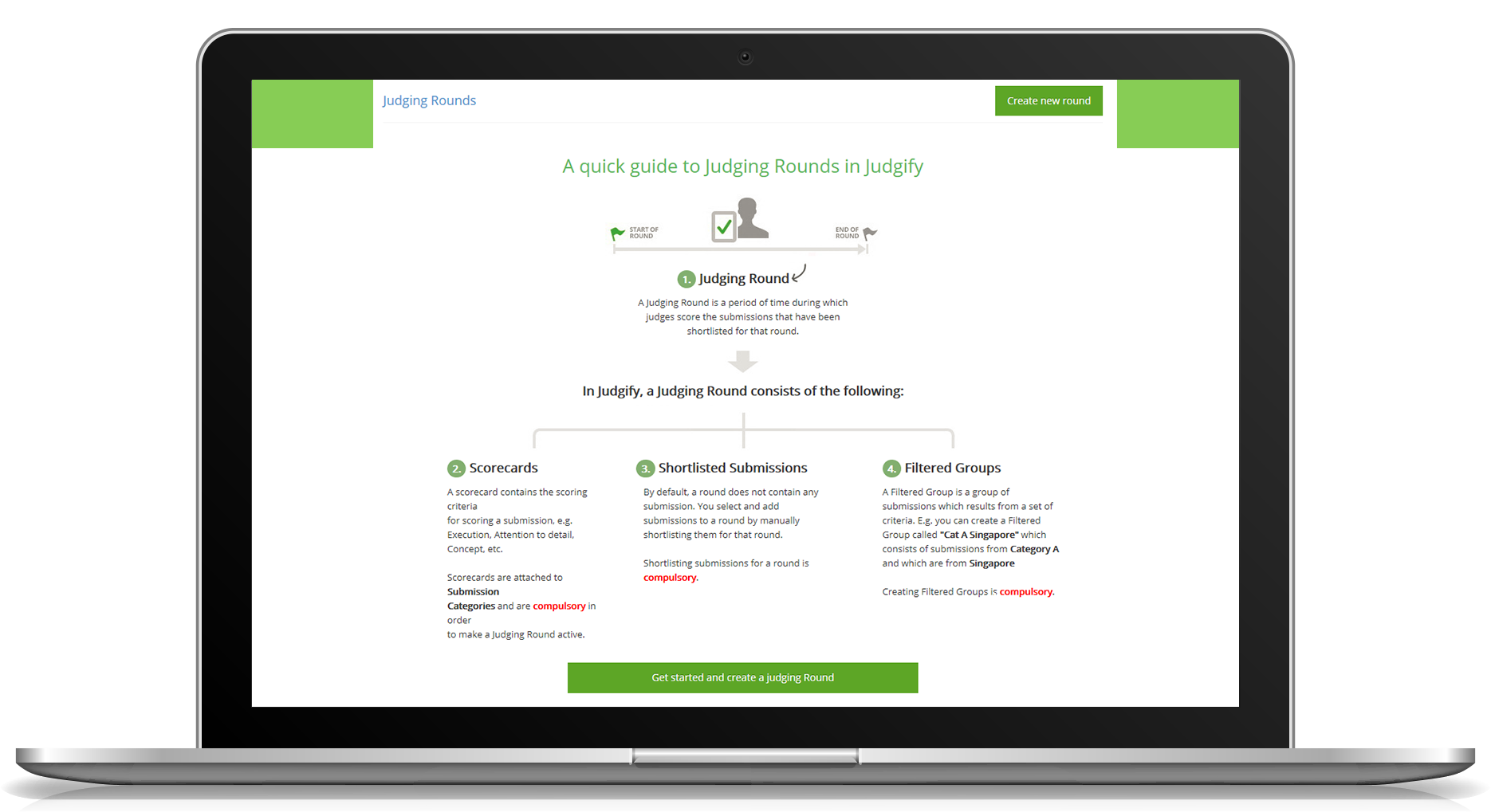
Judgify offers a more comprehensive suite of features, encompassing contest planning, submission management, and advanced scoring and reporting. Its branding and promotion tools are particularly strong, making it a good choice for events that prioritize marketing and visibility. Pricing information is not readily available on either platform, requiring a direct quote for specific needs.
Submittable, while known primarily for grant management, also offers competition judging capabilities. It’s a robust platform but may be overkill for smaller, simpler competitions. Ultimately, the best platform depends on the specific requirements of your event. Factors to consider include the number of submissions, the complexity of the scoring rubric, and the level of support required.
- RocketJudge: Mobile-first, ideal for field-based judging.
- Judgify: Comprehensive features, strong branding tools.
- Submittable: Robust platform, potentially overkill for smaller events.
Troubleshooting Common Remote Judging Issues
Despite careful planning, issues inevitably arise during remote judging. Technical glitches – platform outages, browser compatibility problems – are common. Having a backup plan in place is essential, such as a temporary alternative platform or a manual scoring process. Internet connectivity issues can also disrupt the judging process. Encourage judges to have a stable internet connection and provide alternative options if possible.
Judge availability can be a challenge, particularly for events that span multiple time zones. Clear communication and flexible scheduling are crucial. Disputes over scoring are unavoidable. Establish a clear process for resolving these disputes, such as a review by a panel of senior judges. Document all decisions and provide clear explanations to the judges involved.
I think it’s helpful to have a dedicated support team available throughout the competition to address technical issues and answer questions. Proactive communication and a willingness to address concerns promptly can help minimize disruptions and maintain the integrity of the judging process. A well-defined troubleshooting plan is a sign of a well-organized event.
- Have a backup plan for technical glitches.
- Encourage stable internet connections.
- Establish a clear dispute resolution process.
- Provide dedicated support during the competition.
Essential Remote Judging Setup: Top Gear for Virtual Competitions

Full HD 1080p video calling · Clear stereo audio · Light correction
Ensure crystal-clear video and audio for unbiased remote judging with this reliable webcam.

Active noise cancellation · Comfortable over-ear design · Bluetooth wireless connectivity
Provide judges with an immersive, distraction-free environment through superior noise-cancelling headphones.
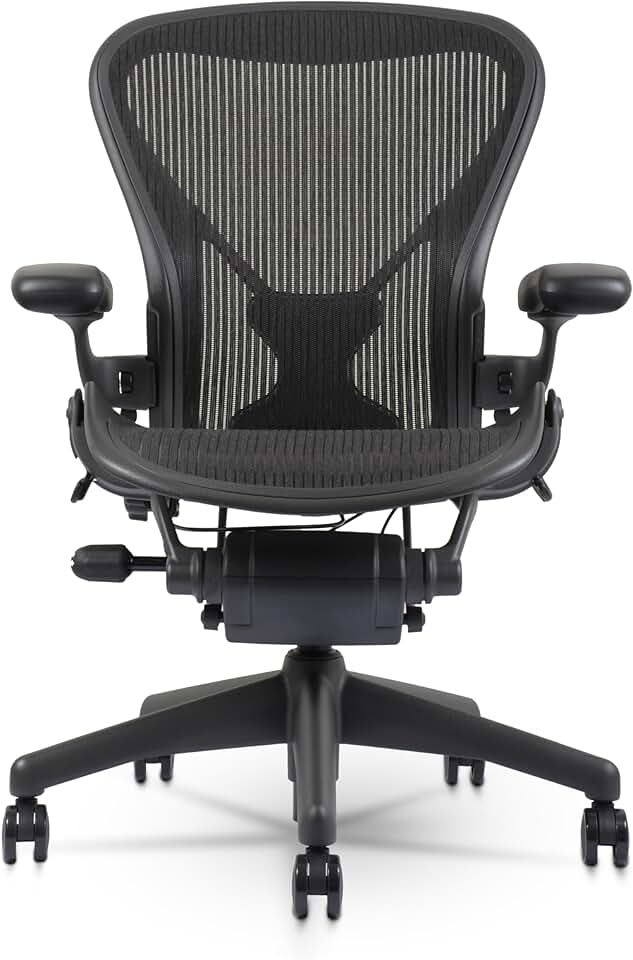
Ergonomic design for posture support · Adjustable lumbar support (Posture Fit) · Durable construction
Promote judge comfort and well-being during extended virtual sessions with this industry-leading ergonomic chair.

27-inch 4K UHD resolution · WLED LCD display · Wide color gamut
Deliver exceptional visual detail and accuracy for reviewing submissions with this high-resolution monitor.

Wireless all-in-one printer, scanner, and copier · Cartridge-free EcoTank system · Compact design
Facilitate seamless document handling and submission review with this efficient, eco-friendly all-in-one printer.
As an Amazon Associate I earn from qualifying purchases. Prices may vary.

No comments yet. Be the first to share your thoughts!