
The messy reality of paper judging
I remember judging a local pie-baking contest a few years ago. The room was hot, the paper score sheets were getting smudged with blueberry filling, and halfway through, we realized someone had misplaced the rubric for the "crust texture’ category. It was chaos. That’s a small example, but it illustrates a larger point: traditional judging methods are increasingly unsustainable. We’re seeing a massive shift towards digital competition scoring systems, and it"s happening across all sorts of contests.
Organizers for robotics meets and dog shows are moving to digital platforms because paper doesn't scale. Digital setups let you bring in remote experts who can't travel to a hot gym for a weekend. These systems also track scoring patterns over time, which helps spot if a specific category is consistently confusing for judges.
This isn’t just about convenience; it’s a fundamental change in how competitions are run. The increasing complexity of events and the demand for greater transparency mean that having the right features in a digital scoring system is no longer a nice-to-have – it’s a necessity. A poorly designed system can introduce new problems, undermining the integrity of the entire event. We need to focus on what truly matters: a fair and consistent evaluation process.
Defining fairness in a digital system
The core promise of a digital competition scoring system is improved fairness. But fairness isn’t just about preventing blatant cheating. It’s about ensuring consistent application of criteria, minimizing unconscious bias, and providing a transparent process that all participants can trust. The problems I mentioned earlier – lost score sheets, ambiguous rubrics – contribute to a lack of fairness, and digital systems are designed to solve them.
A fair system needs five specific tools: blind reviews, flexible rubrics, anomaly detection, audit trails, and direct communication. These aren't extras; they are the baseline for any contest that wants to avoid disputes.
Blind review tools
One of the most effective ways to minimize bias is through blind review. This means hiding the identity of the participant from the judge during the evaluation process. Bias, whether conscious or unconscious, can significantly influence scoring. Judges might be more lenient towards entries from well-known competitors or institutions, or they might be influenced by personal relationships.
Blinding works in layers. You start by hiding names, but you often need to strip out school names or company affiliations too. For design work, this means scrubbing watermarks or logos from the files before a judge ever sees them. If a judge knows a submission came from a top-tier university, they often score it higher without realizing it.
Implementing effective blinding in a digital system requires careful planning. It’s not enough to simply hide names in the scoring interface. The system must also prevent judges from accidentally discovering the participant’s identity through other means – for example, by looking up entry numbers or by cross-referencing with other data. A good system isn't just about hiding information, it's about preventing access to it. Consider how easily a judge could deduce an entrant’s identity based on the style or subject matter of the submission.
- Remove participant names from the primary dashboard.
- Strip school or organization affiliations from metadata.
- Crop or blur logos and watermarks on visual assets.
Custom rubrics and weighting
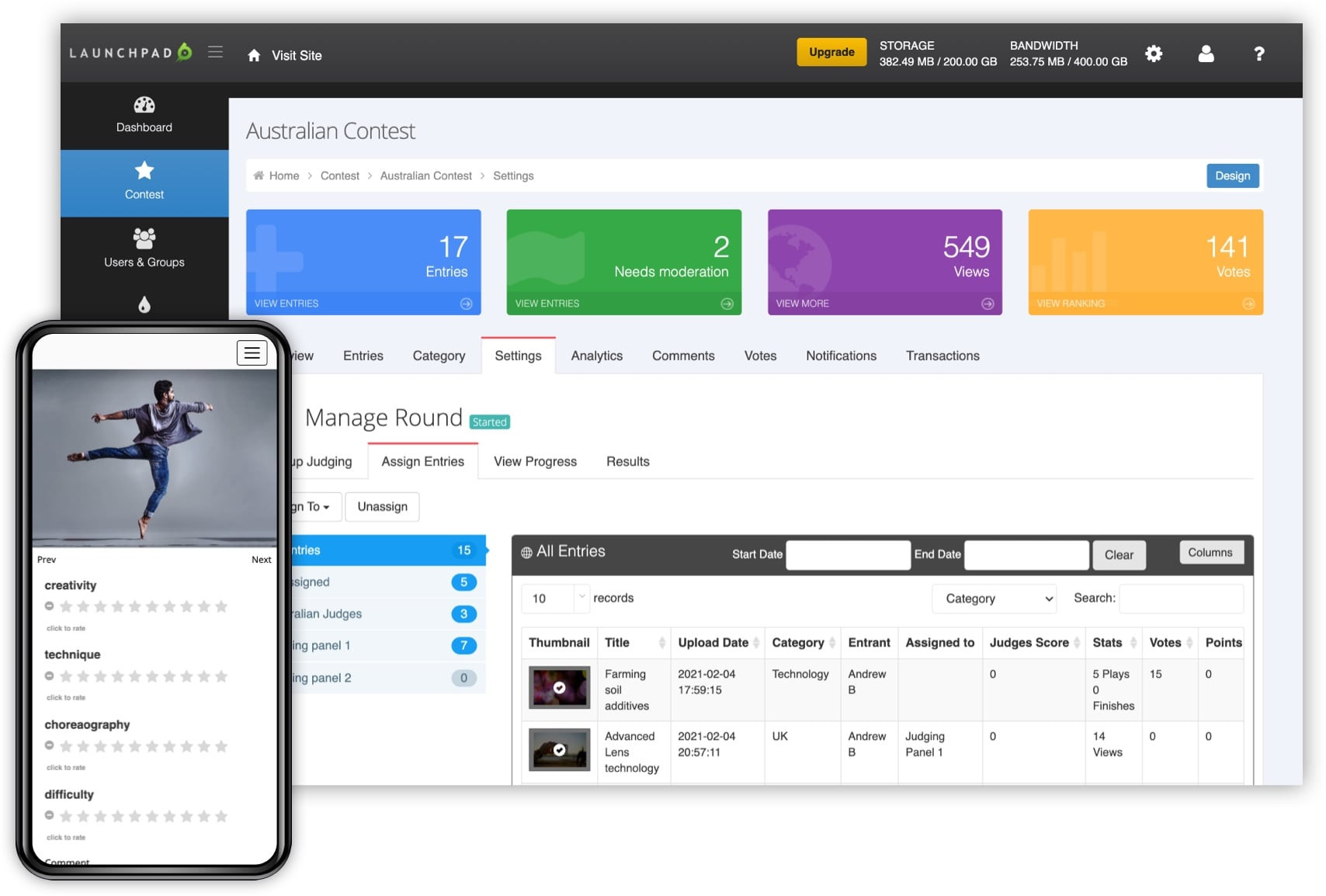
A one-size-fits-all rubric rarely works. Every competition is unique, and the criteria for evaluation should reflect that. A digital scoring system should allow for granular control over scoring criteria, enabling organizers to define specific aspects of the entry that judges should assess. This goes beyond simply listing categories like "creativity’ and ‘technical skill." It's about defining what those terms mean in the context of the competition.
The power of weighting different criteria is also crucial. Not all aspects of an entry are equally important. In a coding competition, for example, code efficiency might be weighted more heavily than code readability. In a culinary competition, taste might be more important than presentation. A flexible system allows organizers to assign weights to each criterion, reflecting its relative importance. This ensures that the final score accurately reflects the overall quality of the entry.
Designing a good rubric is hard work. It requires careful consideration and input from experts in the field. But a flexible digital system makes it possible. It allows organizers to iterate on the rubric, refine the criteria, and ensure that it accurately captures the desired qualities. Without this flexibility, you’re stuck with a rigid system that may not be appropriate for your competition.
Real-Time Anomaly Detection
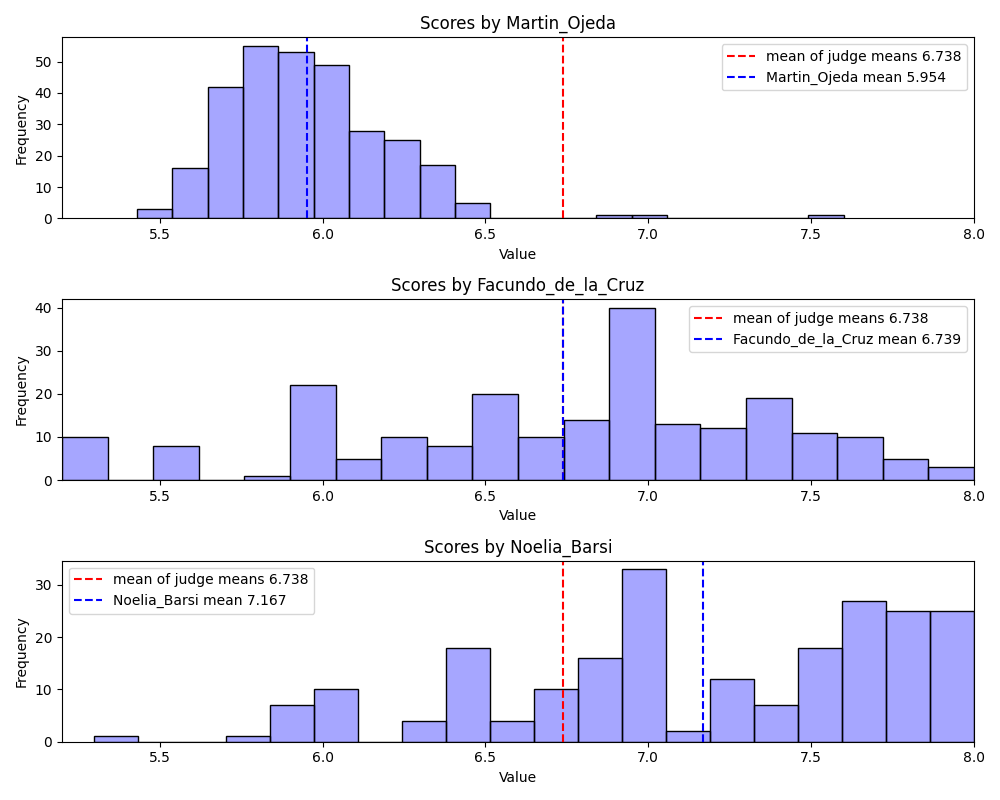
Preventing cheating is a key concern for any competition organizer. While digital scoring systems can make it more difficult to tamper with scores, they can also be vulnerable to manipulation. Real-time anomaly detection can help identify suspicious scoring patterns that might indicate cheating or bias. For example, the system might flag a judge who consistently gives the same score to all entries, or a sudden spike in scores for a particular participant.
It’s important to emphasize that anomaly detection isn’t about accusing anyone of wrongdoing. It’s about investigating potential issues. Flagged scores should be reviewed by a human moderator who can determine whether the anomaly is legitimate or whether there’s a valid explanation. Perhaps a judge simply misunderstood the scoring criteria, or perhaps there was a technical error in the system.
I’m not aware of any specific, publicly available SDKs for anomaly detection tailored specifically to competition scoring. The implementation details will vary depending on the system. However, the underlying principle remains the same: use data analysis to identify unusual patterns and flag them for human review. A robust system should also log all scoring activity, creating a clear audit trail (which we'll discuss in the next section).
Detailed Audit Trails
A comprehensive audit trail is essential for transparency and accountability. It should record who scored what, when, and how. This information is crucial for resolving disputes, identifying potential biases, and ensuring the integrity of the competition. If a participant questions their score, the audit trail can provide a clear and detailed explanation of how it was calculated.
The audit trail should include not only the final scores but also the individual scores for each criterion, as well as any comments or notes entered by the judges. It should also record any changes made to the scores, along with the identity of the user who made the changes and the reason for the change. This level of detail is essential for building trust and maintaining the fairness of the competition.
Maintaining accurate audit trails also has legal implications. In some cases, competitions may be subject to legal challenges, and a detailed audit trail can provide valuable evidence to support the organizer's decisions. A good audit trail isn't just a technical feature; it’s a matter of good governance and responsible competition management.
Integrated Communication Tools
This is a feature that’s often overlooked, but it can be incredibly valuable. Integrated communication tools – such as messaging, discussion forums, or real-time chat – can facilitate collaboration between judges and organizers. This can help clarify scoring criteria, resolve ambiguities, and ensure consistency across all judges.
For example, if a judge is unsure about how to apply a particular criterion, they can ask a clarifying question through the communication tool and receive a response from the organizer. This prevents misunderstandings and ensures that all judges are evaluating entries based on the same standards. Good communication can prevent many disputes from arising in the first place.
Integrated communication tools are especially valuable for remote judging scenarios, where judges may be located in different time zones and may not have the opportunity to interact in person. They provide a convenient and efficient way to exchange information and ensure that everyone is on the same page.
Communication Method Comparison for Judging Scenarios
| Communication Method | Speed | Formality | Recordability | Accessibility |
|---|---|---|---|---|
| Generally slower; allows for asynchronous communication. | High; suitable for detailed feedback and official notifications. | Good; provides a written record, but can be cumbersome to archive. | High; widely accessible with internet access. | |
| Chat (e.g., Slack, Microsoft Teams) | Fast; enables quick questions and clarifications. | Moderate; generally less formal than email, but can be adjusted. | Moderate; chat logs can be saved, but may not be as organized as email. | High; requires account creation, but widely used. |
| Video Conferencing (e.g., Zoom, Google Meet) | Real-time; allows for immediate discussion and clarification. | Moderate to High; depending on the setting and participants. | Good; recordings are often available, providing a visual and auditory record. | Moderate; requires stable internet connection and compatible device. |
| Phone Call | Real-time; very fast for direct communication. | Moderate; generally less formal than written communication. | Limited; requires manual note-taking or third-party recording (with consent). | High; requires phone access, but widely available. |
| Integrated Judging Platform Messaging | Variable; often fast within the platform. | Moderate; typically designed for professional communication within the contest context. | High; messages are usually automatically logged and associated with entries. | Dependent on platform access; requires judges to be logged in. |
Illustrative comparison based on the article research brief. Verify current pricing, limits, and product details in the official docs before relying on it.
Beyond the Basics: Features Worth Considering
While the five features I’ve discussed are essential, there are a number of other features that can significantly enhance the judging experience. Integration with video review tools can be particularly useful for competitions that involve visual or performance-based entries. Support for multiple scoring methodologies – such as ranking, paired comparison, or weighted averages – can provide greater flexibility.
Advanced reporting and analytics can help organizers identify trends, track performance, and improve the competition over time. Some systems also offer features like automated score calculation, entry management, and participant communication. Compe-scoring.com is a good place to start researching different options and comparing features.
Ultimately, the best digital competition scoring system will depend on the specific needs of your event. But by focusing on the core principles of fairness, transparency, and accountability, you can choose a system that will help you run a successful and credible competition.

No comments yet. Be the first to share your thoughts!