
The move to virtual screens
Competitive events are moving away from the old in-person model. It isn't just about saving money on flights and hotels, though that helps the bottom line. The real shift is in who can show up. When you move the judging panel to a screen, you get experts who previously couldn't justify a three-day trip for a four-hour event.
Recent global events, of course, played a catalytic role. When in-person gatherings became impossible, organizations were forced to find alternative solutions. Initially, there was skepticism. Could judging be fair and reliable when judges weren’t physically present to observe entries? Would the quality of feedback suffer? These were valid concerns, but technology quickly rose to meet the challenge.
Today, the scale of virtual competitions is impressive. From science fairs and business pitch contests to art shows and writing competitions, a vast number of events are now managed entirely online. The Big Ideas Contest, for example, routinely receives hundreds of submissions from universities across the globe, a reach that would be impractical with purely in-person judging. Submittable reports a significant increase in the number of competitions utilizing their platform, demonstrating the growing acceptance and demand for virtual judging solutions.
The shift represents a fundamental change in how we evaluate talent and innovation. It's no longer limited by geography or logistical constraints. The focus is shifting towards the quality of the work itself, and the ability to assess it fairly, regardless of location. This isn’t to say in-person judging is obsolete—it simply has a powerful, and increasingly popular, alternative.

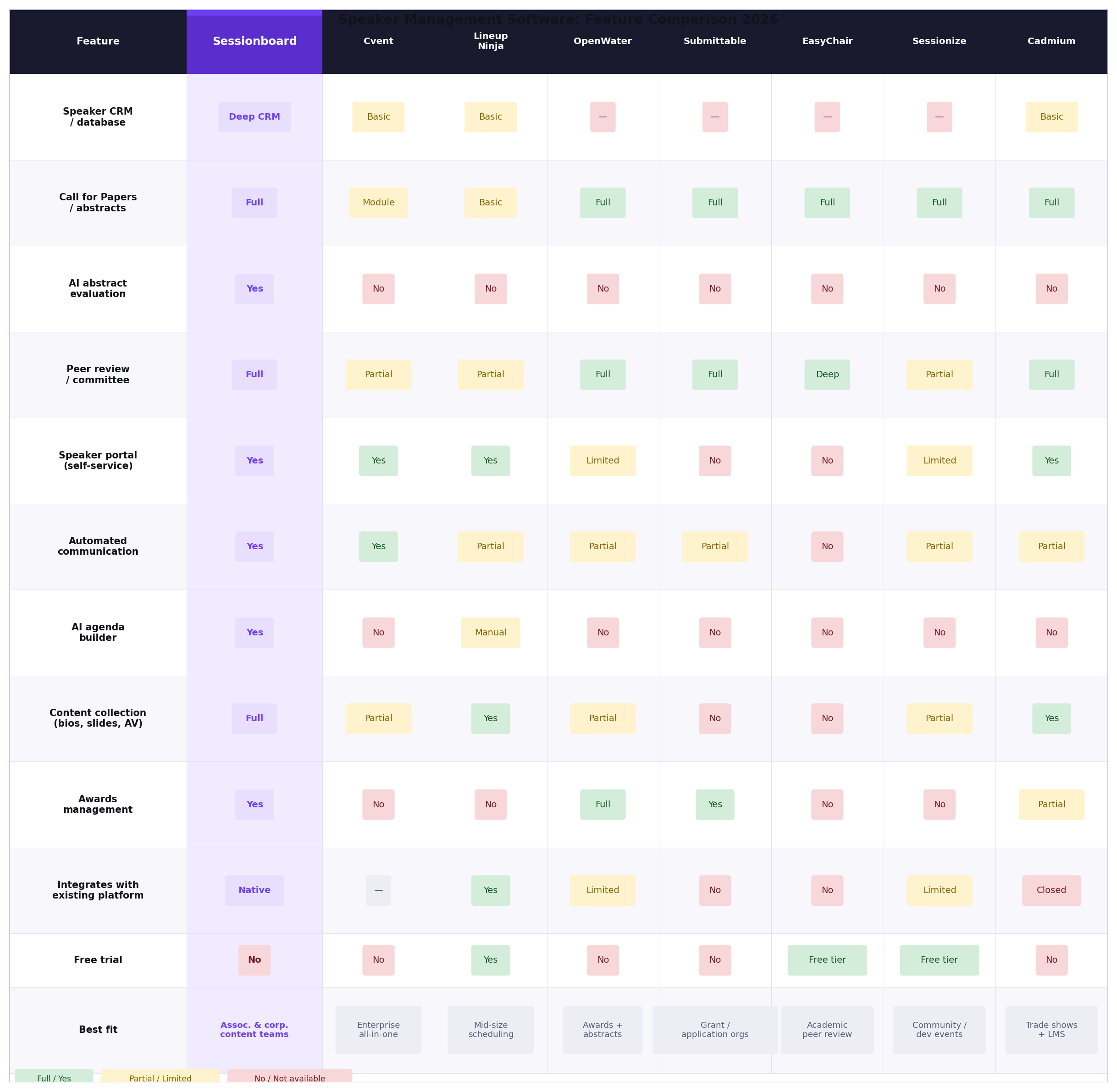
Picking the right platform
The market for remote judging platforms is diverse, offering solutions tailored to different needs and budgets. These generally fall into three categories: dedicated competition platforms, adapted grant management systems, and custom-built solutions. Dedicated platforms, like Submittable, are specifically designed for managing competitions, offering features like submission collection, judge assignment, scoring rubrics, and reporting. They often integrate with other tools, streamlining the entire process.
Grant management systems, initially created for philanthropic organizations, have expanded their capabilities to accommodate competitions. These systems, like those offered by Submittable, are robust and scalable, but may require some customization to fit the specific requirements of a competitive event. The advantage here is often a lower cost of entry, if the organization already uses the system for grant-making.
Custom-built solutions, while offering the greatest flexibility, are often the most complex and expensive. They require significant technical expertise and ongoing maintenance. While the promise of a perfectly tailored system is appealing, I’ve seen many projects stall or fail to deliver on their initial promises. The development time and potential for bugs often outweigh the benefits, especially for organizations running smaller or less frequent competitions.
Choosing the right platform depends on several factors, including the size of the event, the complexity of the judging criteria, and the available budget. A smaller competition with simple scoring requirements might be well-served by a spreadsheet and video conferencing, while a large-scale event with multiple rounds of judging will likely require a more sophisticated platform. It’s crucial to carefully evaluate the features and capabilities of each option before making a decision.
Keeping the scoring honest
Maintaining fairness and consistency is arguably the biggest challenge in remote judging. Without the direct observation possible in in-person settings, ensuring integrity requires careful planning and robust safeguards. Blind judging is a cornerstone of this effort. This involves concealing the identity of the entrant from the judges, preventing bias from influencing the scoring. Platforms often facilitate this by assigning entries numerical codes or anonymizing submissions.
Rubrics keep everyone honest. If you don't define what 'good' looks like before the first entry arrives, judges will rely on gut feelings. The VIQRC guide suggests building these during the first week of planning. I prefer metrics like 'novelty of approach' over a vague 'creativity' score, which usually just means the judge liked the colors used.
Platform features play a crucial role in enforcing scoring rules. Some platforms allow organizers to set minimum and maximum scores for each criterion, preventing judges from awarding excessively high or low marks. Others offer features for flagging potential inconsistencies or outliers in the scoring data. Data analytics can also be used to identify judges who may be exhibiting bias or applying the rubric inconsistently.
I've seen competitions falter because of poorly designed scoring systems. One contest, a regional science fair, allowed judges to provide free-form comments without a structured rubric. The resulting feedback was wildly inconsistent and unhelpful to the participants. The organizers quickly realized their mistake and implemented a standardized rubric for the following year. A well-designed rubric isn't just about fairness; it's about providing valuable feedback to the entrants.
- Build a rubric that defines specific scoring levels so judges don't have to guess.
- Implement blind judging: Conceal entrant identities.
- Utilize platform features: Leverage scoring limits and outlier detection.
- Analyze scoring data: Identify and address inconsistencies.
Judge Training in the Virtual Age
Effective judge training is always important, but it becomes especially critical in a remote setting. Without the benefit of face-to-face interaction, ensuring judges understand the scoring criteria and their responsibilities requires a more deliberate approach. Online training modules are a good starting point. These modules should cover the competition rules, the judging rubric, and best practices for providing constructive feedback.
Calibration exercises are also essential. These exercises involve having judges evaluate the same set of entries and then comparing their scores and rationales. This helps to identify any discrepancies in interpretation and ensures everyone is on the same page. The Big Ideas Contest utilizes mentor judges alongside the primary judging panel, fostering a collaborative learning environment.
Building a sense of community among remote judges can be a challenge. Without the opportunity to meet in person, it’s important to create opportunities for online interaction. This could include virtual meet-and-greets, online forums, or regular email updates. Encouraging judges to share their experiences and ask questions can help to foster a sense of camaraderie.
Ongoing support is also crucial. Judges should have access to a dedicated point of contact for any questions or concerns that may arise during the judging process. A well-supported judging panel is more likely to deliver fair and consistent results. It’s also important to acknowledge and appreciate the judges’ contributions; their time and expertise are invaluable.
Accessibility & Inclusivity: Opening Doors
One of the most significant benefits of remote judging is increased accessibility. Virtual competitions can reach a wider pool of participants and judges, including those with disabilities or geographic limitations. Individuals who might not be able to travel to an in-person event can participate fully online, fostering a more diverse and inclusive environment. This is particularly important for competitions focused on STEM fields, where representation is often lacking.
Organizers can take several steps to ensure their events are truly inclusive. Providing closed captions or transcripts for video presentations can make the competition accessible to individuals with hearing impairments. Offering alternative formats for submissions, such as text-based descriptions for visual entries, can accommodate individuals with visual impairments. Ensuring the platform is compatible with assistive technologies is also crucial.
Remote judging also allows for a more diverse judging panel. Organizers can recruit judges from around the world, bringing a wider range of perspectives and expertise to the evaluation process. This can lead to more informed and nuanced decisions. It also breaks down geographical barriers that might have previously limited the pool of potential judges.
Accessibility isn’t just about accommodating disabilities; it’s also about removing other barriers to participation. Offering flexible submission deadlines and providing technical support can help to ensure that everyone has a fair opportunity to compete. A truly inclusive competition is one where everyone feels welcome and valued.
- Provide closed captions/transcripts: Accommodate individuals with hearing impairments.
- Offer alternative submission formats: Support individuals with visual impairments.
- Ensure platform compatibility: Work with assistive technologies.
- Hire judges from different time zones and backgrounds to get a broader perspective.
Future Trends: What’s Next?
The future of remote judging is likely to be shaped by several emerging technologies. Artificial intelligence (AI) could play a larger role in scoring, automating some of the more routine aspects of the evaluation process. However, I believe human judgment will remain essential, particularly for subjective criteria. AI might be used to pre-screen entries or identify potential outliers, but the final decision should always be made by a human judge.
Virtual reality (VR) and augmented reality (AR) could create more immersive judging experiences. Imagine judges being able to virtually "walk through’ an architectural design or ‘handle" a product prototype. These technologies are still in their early stages of development, but they have the potential to revolutionize the way we evaluate creative work.
Sophisticated fraud detection tools will become increasingly important. As virtual competitions grow in popularity, the risk of cheating and plagiarism will also increase. Platforms will need to implement robust security measures to protect the integrity of the competition. Blockchain technology could potentially be used to create a tamper-proof record of submissions and scores.
We'll also see a continued emphasis on accessibility and inclusivity. As technology evolves, it will become easier to create virtual events that are accessible to everyone, regardless of their abilities or location. The trend towards remote judging is not simply a temporary solution; it’s a fundamental shift in how we evaluate talent and innovation, and it's a shift that’s here to stay.
Remote Judging vs. Traditional Judging
| Cost | Logistics | Scalability | Accessibility | Environmental Impact |
|---|---|---|---|---|
| Generally Lower | More Complex Initial Setup | Higher | Better for Wider Geographic Reach | Lower |
| Potential for Reduced Travel Expenses | Requires Reliable Internet Access | Easier to Accommodate More Entries | Improved Access for Judges with Mobility Limitations | Significantly Lower |
| May Require Investment in Platform/Software | Coordination of Digital Submissions | More Easily Adaptable to Rapid Growth | Reduced Barriers for International Participants | Lower |
| Variable - Dependent on Platform Choice | Potential Challenges with Technical Support | Easier to Add Judges at the Last Minute | Can Accommodate Asynchronous Review | Lower |
| Cost Savings on Venue & Materials | Requires Clear Digital Submission Guidelines | More Flexible for Large-Scale Events | Facilitates Participation from Diverse Locations | Lower |
| Ongoing Maintenance/Subscription Costs | Judges Need Digital Literacy | Better Suited to Events with Distributed Entrants | Increased Opportunities for Diverse Judging Panels | Lower |
| Potential for Reduced Administrative Overhead | Security Considerations for Digital Submissions | Easily Replicated for Future Events | Supports Judges Participating from Home | Lower |
Qualitative comparison based on the article research brief. Confirm current product details in the official docs before making implementation choices.


No comments yet. Be the first to share your thoughts!