
Judging in 2026: The AI Shift
Artificial intelligence is changing competitions and awards. Judges have long relied on expertise and subjective evaluations. Now, AI-powered judging software assists in this process, offering more fairness, efficiency, and scalability. This shift is accelerating.
Many judges are wary of AI. An algorithm evaluating creative work can feel impersonal or threatening, and concerns about losing control or overlooking nuances are valid. The goal is to augment human judgment, not replace it. These platforms handle repetitive tasks, identify potential biases, and provide data-driven insights for more informed decisions.
The benefits are significant. AI can quickly scan hundreds or thousands of entries for plagiarism, ensuring originality. It can flag submissions that deviate from contest guidelines, saving judges time and effort. And, crucially, it can help mitigate unconscious biases that might creep into the evaluation process. This isn't about removing the human element, it’s about making the process more equitable and transparent. We’ll focus on the platforms that embrace this assistive role.
By 2026, AI in judging will likely be commonplace, especially for large competitions with many submissions. The platforms discussed represent current technology and offer a look at future contest evaluation. Understanding what these tools do and how to use them effectively will enhance the judging process.
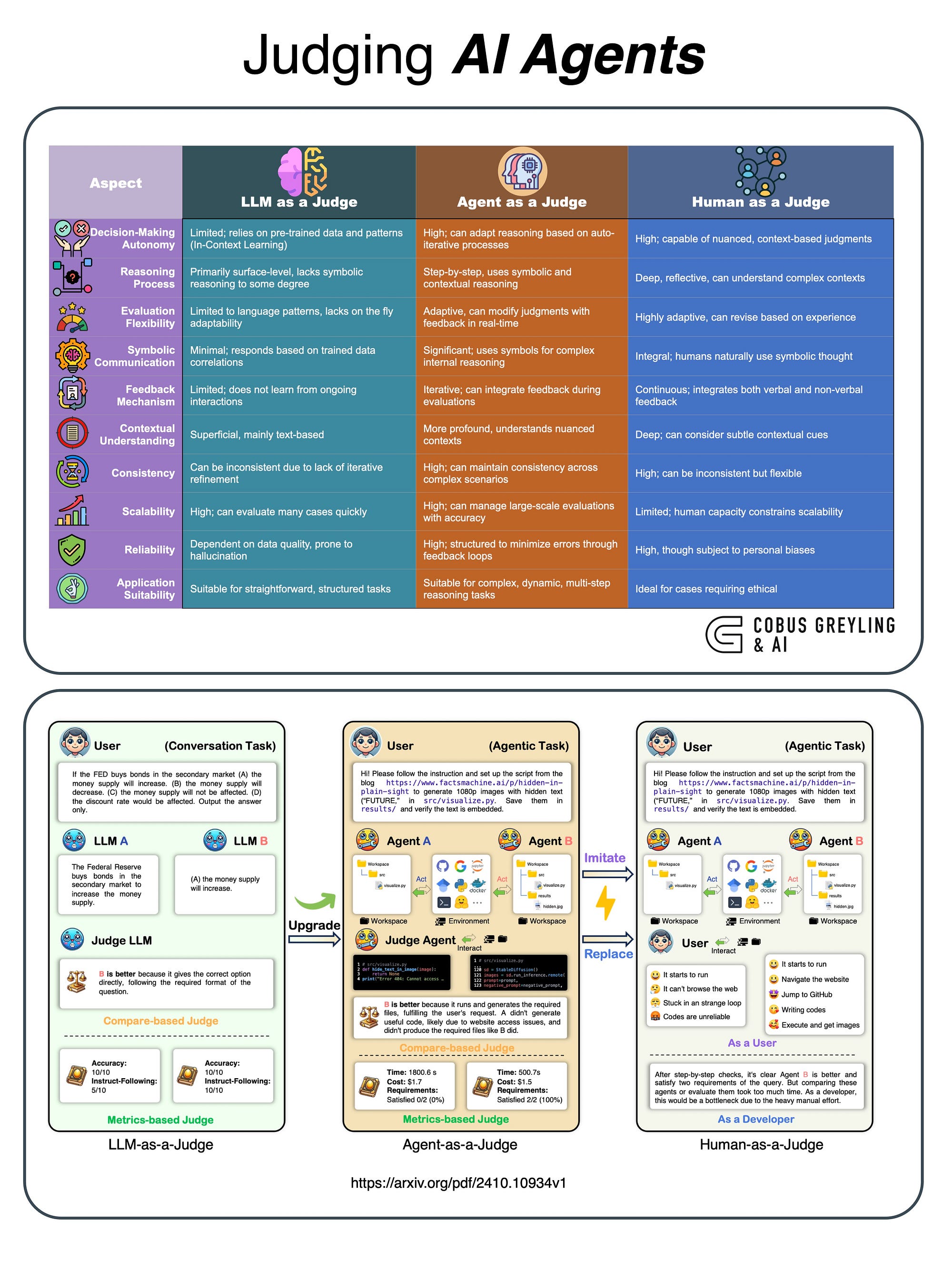
The Top 7 AI Judging Platforms
Choosing the right AI judging platform depends on your contest's specific needs. Some platforms handle complex scoring rubrics well, while others prioritize ease of use or integration with existing systems. Here's a comparison of seven leading platforms as of late 2025, based on features and user feedback.
Judgify is a comprehensive contest management system with robust judging features, emphasizing branding and promotion alongside the core judging workflow. It offers advanced scoring and reporting, focusing on security and compliance. Pricing requires a direct quote.
Evalato is dedicated online judging software for awards. It supports various award types and offers blind judging and conflict of interest detection. Evalato has a user-friendly interface and flexible scoring options. Plans start at $499 per month, scaling with submissions.
Judging Hub offers submission management, judging workflows, and reporting, focusing on streamlining the entire awards process from call for entries to winner announcement. Pricing is tiered, starting around $250 per month.
AwardStage has a clean, intuitive interface for judges to review and score submissions. It supports multiple judging rounds and offers collaborative judging and detailed analytics. Pricing is customized based on event size and features.
Submittable, widely used for grant applications and scholarships, also supports contests and awards. It offers robust workflow automation and integration with other tools. Pricing is based on submissions received.
Smartsheet, a general-purpose work management tool, can be adapted for contest judging with custom templates and automation. It's a good option for organizations already using Smartsheet. Pricing starts at $14 per user per month.
Qualtrics, known for its survey platform, offers features for contest judging, including scoring rubrics and data analysis. It's best suited for contests relying heavily on quantitative scoring. Pricing is customized based on features and usage.
- Judgify: Comprehensive, branding focused, pricing on request.
- Evalato: User-friendly, flexible scoring, starting at $499/month.
- Judging Hub: Streamlined workflow, tiered pricing starting around $250/month.
- AwardStage: Intuitive interface, collaborative judging, custom pricing.
- Submittable: Workflow automation, submission-based pricing.
- Smartsheet: Adaptable, for existing Smartsheet users, $14/user/month.
- Qualtrics: Quantitative scoring, customized pricing.
AI-Powered Judging Software Comparison - 2026
| Platform Name | Primary Focus | AI Features | Integration Options | User Interface |
|---|---|---|---|---|
| Judgify | General, Events | Scoring assistance, potential for bias detection in scoring weights (reported in development) | API access available; details vary by plan | 4/5 - Clean, modern design; focuses on event management alongside judging. |
| Evalato | Awards, Contests | Automated eligibility checks, basic plagiarism detection, scoring suggestions | Zapier integration; limited direct API documentation | 3.5/5 - Functional but less visually polished; geared toward award administration. |
| Qualtrics | Surveys & Feedback (adaptable to judging) | Text analysis for sentiment, pattern identification, potential for rubric-based scoring | Extensive integrations via Qualtrics platform; API available | 3/5 - Powerful but complex; requires significant setup for judging workflows. |
| SurveyMonkey Apply | Applications, Grants, Judging | Automated screening based on criteria, basic data analysis | Integrations with SurveyMonkey suite; limited external integrations | 4/5 - User-friendly interface; strong for initial application review. |
| Formstack | Forms & Data Collection (adaptable) | Workflow automation, data validation; AI features through integrations | Zapier, API; integrates with numerous business tools | 3.5/5 - Flexible form builder; judging functionality requires customization. |
| Google Forms (with add-ons) | General, Simple Contests | Limited AI features; relies on add-ons for plagiarism or scoring | Google Workspace integrations; limited API access | 2.5/5 - Basic functionality; requires significant add-on configuration for robust judging. |
| Typeform | Creative Submissions, Feedback | Conditional logic for scoring, potential for sentiment analysis through integrations | Zapier, API; focuses on conversational forms | 4.5/5 - Visually appealing and engaging; well-suited for creative submissions. |
Qualitative comparison based on the article research brief. Confirm current product details in the official docs before making implementation choices.
AI Features: What to Look For
When evaluating AI judging platforms, understand the specific AI features they offer and how they benefit your contest. These features generally fall into plagiarism detection, bias detection, and scoring assistance. Each has strengths and limitations.
Plagiarism detection is straightforward. Most platforms compare submissions against a database of existing content. Effectiveness varies by contest type; it's highly reliable for written work but more challenging for art or music where originality is interpretive. Plagiarism detection isn’t foolproof; it can flag false positives and miss instances.
Bias detection is complex. AI algorithms can be trained to identify potential biases in judging criteria or submissions, analyzing language for stereotypes or patterns suggesting unfair scoring. Bias detection isn't perfect; algorithms can be biased, so carefully review any flags. The goal is to raise awareness of potential biases, not eliminate them.
Scoring assistance takes many forms. Some platforms offer automated scoring based on predefined rubrics. Others provide judges with data-driven insights, like average scores for similar submissions. Some use AI to identify outliers—submissions significantly higher or lower than average—which may warrant closer attention. The best platforms combine these approaches, allowing judges to leverage AI without sacrificing their own judgment.
- Plagiarism Detection: Compares submissions to existing content (best for writing).
- Bias Detection: Identifies potential biases (algorithms can be biased themselves).
- Scoring Assistance: Automated scoring, data-driven insights, outlier identification.
Featured Products

Leverages generative AI for test case creation · Automates test script generation · Identifies potential software defects
This software uses generative AI to automate and enhance the process of creating test cases, leading to more efficient and thorough software testing.

Portable scoring tool · 1/8" space grooves for precise scoring · Ideal for card making and paper crafts
While not an AI judging platform, this tool offers precision for crafting, which can be analogous to the accuracy needed in scoring.
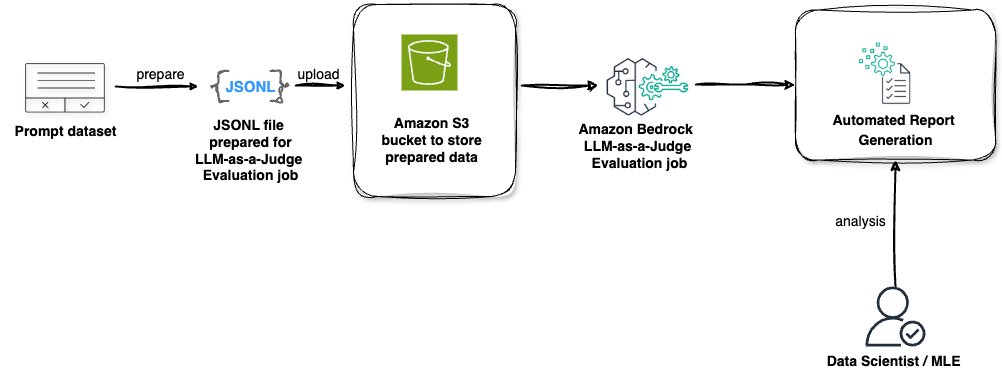
AI-powered evaluation for competitions · Streamlines judging workflows · Provides performance analytics
Judgify is a dedicated AI-powered judging platform designed to help organizers and judges efficiently manage competitions and gain insights.

Focuses on AI in software development lifecycle · Strategies for faster, high-quality software · Practical implementation guidance
This book explores how AI can be integrated into software delivery to improve speed and quality, relevant for understanding AI's impact on complex processes.

Examines AI's role in economic competition · Discusses legal implications of AI · Covers digital age perspectives
This book provides a broader context on AI's impact on competition, offering insights into the economic and legal frameworks that might influence future judging systems.
As an Amazon Associate I earn from qualifying purchases. Prices may vary.
Platform Standouts: Evalato & Judgify
Evalato receives positive reviews for its user-friendly interface and robust features. Users praise its flexibility in creating custom scoring rubrics and handling complex judging workflows. Its blind judging feature is well-regarded for minimizing bias. However, some users find the pricing steep for smaller contests. Reports indicate excellent customer support, a significant advantage for a complex platform.
Judgify is a comprehensive solution beyond just judging, offering tools for contest planning, submission management, branding, and promotion. It's a good choice for organizations wanting an all-in-one platform. While less intuitive than Evalato, it offers greater customization. Difficulty finding pricing suggests it's tailored to client needs, which can be a pro or con.
undefined-scale competitions. Ultimately, the best choice depends on your specific requirements and budget. Both offer free trials, which I highly recommend taking advantage of.
Integration & Workflow: Making AI Fit
An AI judging platform isn't an island. It needs to integrate seamlessly with your existing contest management systems and workflows. Most platforms offer some level of integration, but the options vary. API access is crucial for organizations that need to connect the platform to other applications. This allows for automated data transfer and custom integrations.
For users who don’t have the technical expertise to work with APIs, Zapier integration is a valuable feature. Zapier allows you to connect different web applications without writing any code. This can be used to automate tasks like sending email notifications, updating spreadsheets, or creating reports. Many of the platforms discussed here offer Zapier integration.
Data import and export are also important considerations. You need to be able to easily import submissions from other sources and export judging data for analysis. Most platforms support common file formats like CSV and Excel. Ensure the platform supports the volume of data you anticipate needing to import or export.
- API Access: For custom integrations.
- Zapier Integration: No-code automation.
- Data Import/Export: CSV, Excel support.
Cost Considerations: Beyond the Subscription
The cost of AI judging software can vary significantly depending on the platform and your specific needs. Most platforms offer subscription-based pricing, but the details can be complex. Some charge per entry, while others offer tiered plans based on the number of submissions or features. Be sure to carefully compare pricing models before making a decision.
Don’t forget to factor in hidden costs, such as data storage, support, and training. Some platforms charge extra for exceeding storage limits or for accessing premium support. Training may be required to ensure that judges are comfortable using the platform effectively. Consider the total cost of ownership, not just the monthly subscription fee.
The value proposition is key. Is the AI worth the extra cost? For large-scale competitions with numerous submissions, the time savings and increased fairness offered by AI can easily justify the investment. However, for smaller contests, the benefits may be less clear. Carefully weigh the costs and benefits before making a decision.
Future Trends: What's Next for AI Judging?
The field of AI is evolving rapidly, and we can expect to see even more sophisticated AI judging tools in the years to come. One area of development is more nuanced bias detection. Current algorithms are good at identifying obvious biases, but future algorithms will be able to detect more subtle forms of bias.
Personalized scoring rubrics are another exciting possibility. AI could analyze submissions and automatically adjust the scoring criteria based on the specific strengths and weaknesses of each entry. This would allow for more individualized and fair evaluations. I anticipate seeing more platforms offering this level of customization.
Perhaps most importantly, I believe we’ll see AI-powered feedback for contestants. Imagine a platform that not only scores submissions but also provides detailed feedback on how to improve. This would be a valuable learning experience for contestants and could help to raise the overall quality of submissions. It’s a realistic goal, and one that I think we’ll see come to fruition in the next few years.
- Nuanced Bias Detection: Identifying subtle forms of bias.
- Personalized Scoring Rubrics: Adapting criteria to each submission.
- AI-Powered Feedback: Providing detailed feedback to contestants.
No comments yet. Be the first to share your thoughts!