
Judging beyond the table
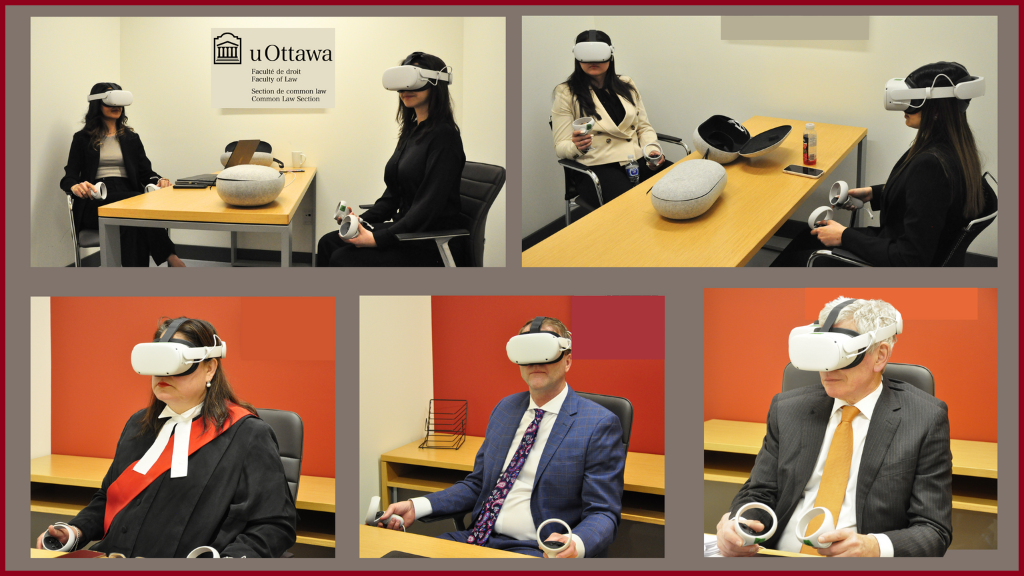
Competition judging used to mean huddling around a table with a measuring tape. It was a slow process prone to human error and limited by whoever could physically show up. VR changes this by moving the evaluation into a digital space where physical distance doesn't matter.
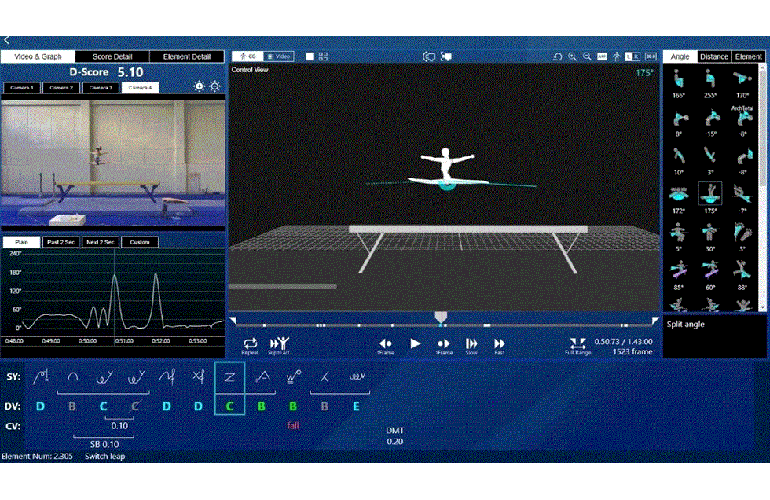
The shift isn’t just about adopting a new technology; it’s about fundamentally altering the nature of assessment. We’re moving away from relying solely on subjective observation towards a data-rich, objective approach. Imagine a robotics competition where judges aren’t limited to a single viewpoint, but can examine a robot’s performance from any angle, in slow motion, even with a virtual "X-ray’ view to see internal mechanisms. This isn’t science fiction anymore—it"s the direction competition scoring systems are heading.
This move is driven by a need for fairness and transparency. Traditional judging, while well-intentioned, always faced the challenge of human bias. VR offers the potential to standardize the evaluation process, ensuring that every competitor is judged against the same criteria, in the same environment. It’s about creating a level playing field where skill and innovation truly shine. And as the RECF Library's continued updates show, the competition world is actively seeking better ways to ensure fair assessments.
Objectivity through virtual environments
VR is more than a new camera angle. It creates a controlled environment where lighting and setup are identical for every participant. This removes the 'luck of the draw' that happens when one competitor gets a wobbly table or a dim corner of a convention center.
Consider a woodturning competition. In the past, judges would assess pieces based on visual inspection, tactile feel, and subjective impressions of craftsmanship. With VR, a judge can virtually rotate the piece 360 degrees, zoom in to examine the intricacies of the carving, and even simulate different lighting conditions to assess the finish. This level of detailed scrutiny is simply impossible in a traditional setting.
Remote judging is another powerful benefit. VR allows qualified judges from anywhere in the world to participate, broadening the pool of expertise and reducing logistical costs. This is particularly valuable for niche competitions where finding local judges with specialized knowledge can be difficult. The VEX Forum discussions show how vital streamlined feedback is to competitors, and VR can facilitate that regardless of location.
Importantly, these aren’t just "nice-to-haves.’ They directly address core problems with traditional judging. A standardized environment reduces the chance of external factors influencing the score. Detailed review capabilities ensure nothing is missed. And remote judging expands access to expertise. It"s a holistic improvement to the entire evaluation process.
Replicating the arena
A crucial aspect of fair competition is ensuring that judging accurately reflects real-world performance. VR excels at recreating these conditions. Take robotics competitions as an example. Judges can virtually place a robot in a precise replica of the competition arena, complete with obstacles, scoring zones, and even simulated opponents.
This allows for consistent testing scenarios, eliminating variables that could arise from physical setup inconsistencies. A slightly uneven floor, a variation in lighting, or even a minor difference in how an obstacle is positioned can all impact a robot’s performance. VR removes these concerns, providing a perfectly consistent environment for every run.
Furthermore, VR allows for repeatable testing. Judges can run the same scenario multiple times, observing the robot’s performance from different angles and under different conditions. This is invaluable for identifying potential flaws or areas for improvement. It's about creating a truly level playing field, where success depends on skill and engineering, not on luck or circumstance.
Current tools and software
We don't have a single 'standard' app for judging yet. Most organizations build their own tools using Unity or Unreal Engine. These engines handle the physics and visuals, but the actual scoring logic is usually custom-coded for the specific sport or craft.
Several smaller companies are building specialized VR judging systems tailored to specific competitions. Some focus on robotics, offering tools for simulating arenas and analyzing robot performance. Others cater to artistic competitions, allowing judges to examine sculptures, paintings, or designs in a virtual gallery. I haven’t found any comprehensive, publicly available SDKs specifically for VR judging, suggesting most systems are proprietary.
The cost of these systems varies widely, ranging from a few thousand dollars for basic setups to tens of thousands of dollars for more advanced configurations. The primary costs are typically associated with VR headsets, powerful computers to run the simulations, and the software licenses for the judging platform. Expect to see more affordable, cloud-based solutions emerge in the coming years.
Hardware and health hurdles
Despite its promise, VR judging isn’t without its challenges. The cost of equipment remains a significant barrier to entry for many organizations. High-quality VR headsets and powerful computers can be expensive, and the need for ongoing maintenance and upgrades adds to the financial burden.
The learning curve for judges is another concern. While VR technology is becoming more user-friendly, judges still need to be trained on how to navigate the virtual environment and utilize the judging tools effectively. This requires dedicated training programs and ongoing support.
Motion sickness is a potential issue for some users. Prolonged exposure to VR can cause nausea or dizziness, particularly for those who are susceptible to motion sickness. Careful attention must be paid to the design of the virtual environment and the comfort of the headset to minimize this risk. Accessibility for judges with disabilities is also paramount.
Finally, data security is a critical consideration. VR judging systems collect sensitive data about competitors and their performances. Protecting this data from unauthorized access and ensuring its integrity is essential. Robust security protocols and data encryption are crucial.
VR Platforms for Competition Judging - 2026 Comparison
| Platform Name | Key Features | Target Competition Type | Approximate Cost |
|---|---|---|---|
| Mozilla Hubs | Spatial audio for collaborative review, customizable virtual spaces, screen sharing capabilities. Relatively easy setup and access via web browser. | Art competitions, design reviews, preliminary judging rounds for robotics (visual inspection). | Low 💰 |
| Spatial | Real-time 3D collaboration, avatar-based interaction, supports importing 3D models. Offers features for annotation and feedback. | Robotics design reviews, science fair project presentations, architectural model evaluations. | Medium 💸 |
| Horizon Workrooms (Meta) | High fidelity VR experience, hand tracking for natural interaction, whiteboard tools for collaborative annotation. Integration with Meta Quest ecosystem. | Complex robotics competitions requiring detailed visual assessment, engineering design reviews, simulations. | Medium to High 💸 |
| Vircadia | Open-source platform, highly customizable environments, supports scripting for advanced interactions. Focus on user control and data privacy. | Science and engineering competitions, robotics challenges with custom scoring requirements, events needing strong data control. | Medium 💸 (plus development/hosting costs) |
| FrameVR | Browser-based VR spaces, easy content import, supports live streaming and recording. Focus on accessibility and ease of use. | Art shows, design competitions, initial judging stages for various events. | Low to Medium 💰 |
| Glue | Designed for team collaboration, supports multiple devices (VR/desktop), offers a range of collaboration tools. Strong emphasis on professional use. | Engineering design reviews, complex robotics assessments, science project evaluations requiring detailed analysis. | High 💸 |
Illustrative comparison based on the article research brief. Verify current pricing, limits, and product details in the official docs before relying on it.
What comes next
Looking ahead, the future of VR judging is bright, but it won’t be a simple takeover. We’ll likely see increasing integration of Artificial Intelligence (AI) to automate certain aspects of scoring, such as measuring distances, angles, and speeds. AI could also assist judges by flagging potential rule violations or identifying areas of exceptional performance.
Haptic feedback is another technology that could revolutionize VR judging. By allowing judges to "feel" the quality of a submission – the texture of a sculpture, the weight of a material, or the precision of a robotic movement – haptic feedback would add another layer of immersion and realism to the evaluation process.
Ultimately, VR judging isn’t about replacing the human element entirely; it’s about augmenting it. The goal is to provide judges with the tools and data they need to make more informed, objective, and defensible decisions. While VR may become the standard for certain types of competitions, it’s likely to coexist with traditional judging methods for the foreseeable future.
The REC Foundation’s constant updates to judging guidelines, as seen in their library, demonstrate a commitment to improvement. VR represents a significant step towards a more fair, transparent, and engaging competition experience for everyone involved. It’s a powerful tool, and its potential is only beginning to be realized.
No comments yet. Be the first to share your thoughts!