
Judging in the digital age
Competitive events aren't just local fairs anymore. Digital platforms mean a single contest can have thousands of people entering from all over the world. This scale makes it much harder to keep judging fair. When everything is submitted remotely, it's easier for bias or flat-out cheating to slip through the cracks.
Historically, concerns about judging have centered on issues like subjectivity, conflicts of interest, and the possibility of collusion. These problems aren’t new, but the digital realm amplifies them. Traditional methods of oversight – relying on the reputation of organizers or the trust placed in a small group of judges – are proving insufficient to address the scale and complexity of modern competitions. The need for verifiable, tamper-proof scoring systems is becoming increasingly apparent.
Blockchain technology offers a potential solution to these challenges. While often associated with cryptocurrencies, its core principles of decentralization and immutability can be applied to a wide range of applications, including contest management. This isn’t about replacing human judgment, but about creating a system where that judgment is recorded and verified in a way that builds trust and minimizes the risk of fraud. The confluence of increasing digital competition and maturing blockchain tools is making this technology relevant now.
The trust problem in scoring
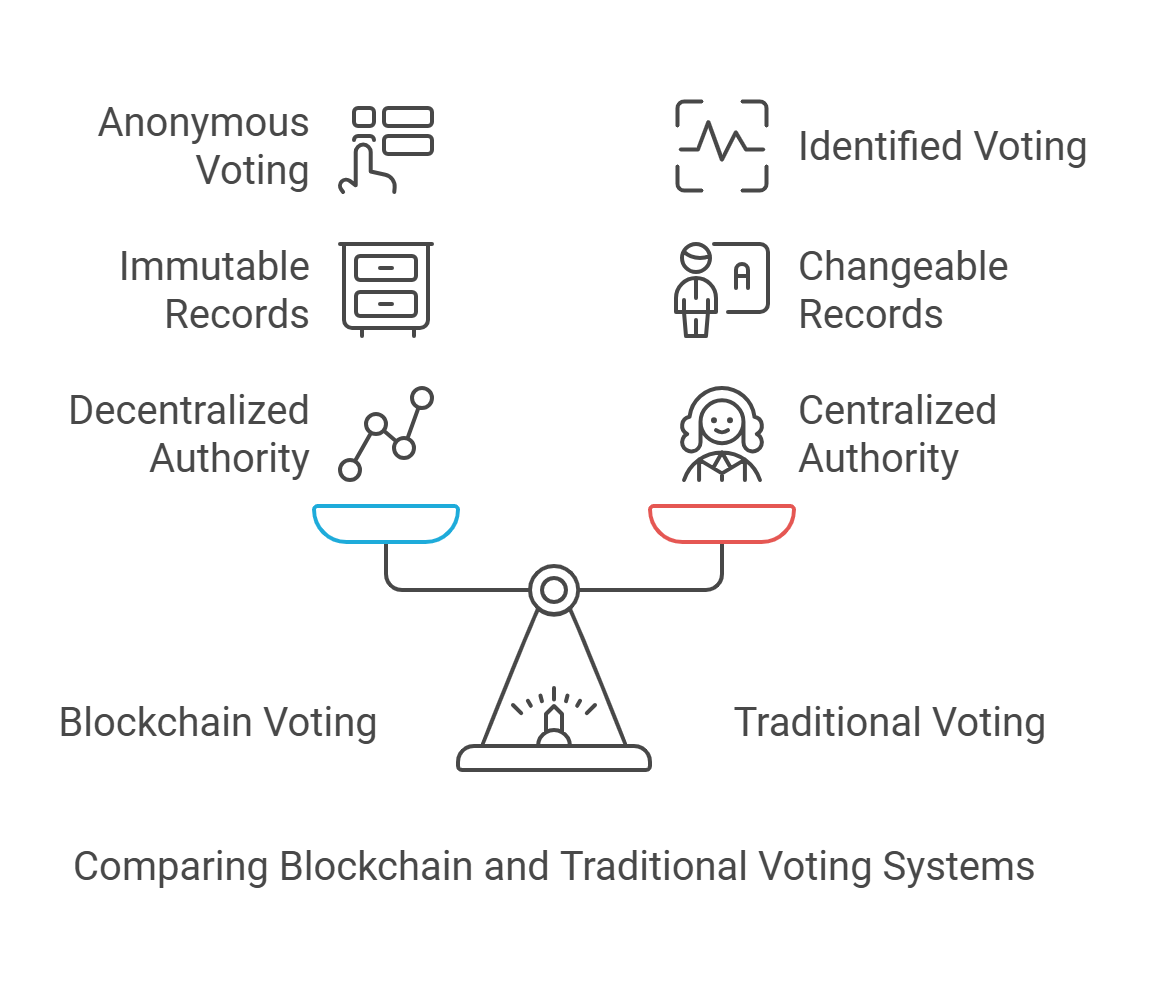
Traditional contest scoring systems are inherently vulnerable. They often rely on centralized databases, creating a single point of failure susceptible to hacking or manipulation. Even without malicious intent, simple errors in data entry or processing can significantly impact results. The lack of a transparent audit trail makes it difficult to identify and correct such errors, leaving participants questioning the integrity of the process.
A significant concern is the potential for collusion among judges. While organizers attempt to mitigate this through blind judging or independent panels, verifying the impartiality of judges remains a challenge. The Harvard Journal of Law & Technology’s exploration of "Execution of Judgements on the Blockchain’ underlines the legal implications of tamper-proof records; it"s becoming increasingly important to have a verifiable history of decision-making. This is particularly true in high-stakes competitions with substantial prizes or career implications.
Current systems place immense trust in central authorities – the organizers and their appointed judges. This trust is often based on reputation, but reputation alone isn’t a guarantee of fairness. A system that relies heavily on trust is, by its nature, susceptible to abuse. The absence of independent verification mechanisms leaves participants with limited recourse if they suspect foul play. This erodes confidence in the entire competitive process.
The opacity of many scoring systems also hinders accountability. It’s often difficult for participants to understand why a particular decision was made, even if they accept the outcome. This lack of transparency breeds suspicion and can damage the reputation of the competition. A more robust system needs to provide a clear and auditable record of every step in the judging process.
Blockchain basics for competitions
A blockchain is a ledger shared across many computers. Once data is written to it, changing or deleting that info is nearly impossible. Every new entry links to the one before it with a cryptographic seal. This setup is why people trust it for records that can't be faked.
Decentralization is a key feature. Unlike traditional databases controlled by a single entity, a blockchain is managed by a network of participants. This eliminates the single point of failure and reduces the risk of censorship or manipulation. Transparency, while sometimes misunderstood, means that all transactions are publicly viewable (though not necessarily linked to real-world identities).
In the context of competitions, blockchain can prevent tampering with scores by recording each judge’s assessment as a transaction on the ledger. Once a score is recorded, it cannot be altered without the consensus of the network. Different types of blockchains exist: public (like Bitcoin), private (controlled by a single organization), and permissioned (requiring authorization to participate). For contest management, a permissioned blockchain is likely the most practical approach, allowing organizers to control access and maintain data privacy.
How blockchain scoring works
Implementing blockchain in a contest scoring system involves several steps. First, submissions are typically hashed – a cryptographic process that creates a unique fingerprint of the file. This hash, rather than the file itself, is stored on the blockchain, preserving privacy while ensuring the integrity of the submission. The hash is then linked to the judge’s scores.
Smart contracts – self-executing agreements written in code – can automate scoring rules and payouts. For example, a smart contract could automatically award a prize to the submission with the highest average score from a panel of judges. This eliminates the need for manual intervention and reduces the risk of errors or bias. The contract’s logic is publicly auditable, increasing trust in the outcome.
A crucial component is the "oracle" – a mechanism for bringing off-chain data (like the submission files themselves) onto the blockchain. Oracles are often a point of vulnerability, as they rely on trusted third parties to verify the data. However, advancements in decentralized oracle networks are mitigating this risk. There isn't a single standardized approach to oracles yet, and this is an area of active development.
The process generally involves participants submitting work, the work being assigned a unique hash, judges scoring the work, those scores being recorded on the blockchain, and a smart contract executing the results. The entire process creates a verifiable, immutable record of the competition. This contrasts sharply with traditional systems where records can be altered or lost.
Benefits beyond immutability
While preventing tampering is a primary benefit, blockchain-based judging offers several other advantages. Increased judge accountability is one – by recording judges’ identities (even pseudonymously) on the blockchain, their assessments become publicly verifiable. This can discourage biased or unfair scoring. It also creates a permanent record of their participation and expertise.
Automated dispute resolution is another potential benefit. If a participant challenges a score, the blockchain provides a clear audit trail that can be used to investigate the issue. Smart contracts can also be programmed to handle certain types of disputes automatically, based on pre-defined rules. This reduces the need for costly and time-consuming legal battles.
The Concurrences competition law paper highlights how blockchain can address anti-competitive practices in judging. By increasing transparency and accountability, it makes it more difficult for organizers or judges to engage in collusion or favoritism. The paper suggests blockchain could be used to enforce fair competition rules and prevent the abuse of market power.
Beyond these benefits, blockchain could enable novel forms of competition and reward systems. For example, it could facilitate fractional ownership of winning entries or intellectual property, allowing participants to share in the financial success of the competition. This could incentivize greater participation and innovation.
Comparison of Traditional vs. Blockchain-Based Contest Scoring Systems
| Criteria | Traditional Scoring | Blockchain Scoring |
|---|---|---|
| Transparency | Low | High |
| Security | Medium | High |
| Auditability | Medium | High |
| Cost | Medium | Medium to High (Initial Setup) |
| Scalability | Medium | Medium |
| Judge Accountability | Low | Medium |
| Tamper Resistance | Low | High |
| Data Integrity | Medium | High |
Illustrative comparison based on the article research brief. Verify current pricing, limits, and product details in the official docs before relying on it.
Real-world applications and pilots
Adoption of blockchain in contest management is still in its early stages, but several promising applications and pilot projects are emerging. In the art world, platforms are exploring the use of NFTs (Non-Fungible Tokens) and blockchain to verify the authenticity and provenance of artworks submitted to competitions. This helps to prevent plagiarism and ensures that artists receive proper credit.
Coding challenges and hackathons are also prime candidates for blockchain-based judging. The immutability of the blockchain can ensure that code submissions are not tampered with and that the judging criteria are applied consistently. Several platforms are experimenting with using smart contracts to automate the scoring process and distribute prizes.
Academic paper reviews are another area where blockchain could be beneficial. It could provide a secure and transparent system for peer review, reducing the risk of bias and ensuring the integrity of scientific research. However, the implementation in this area is complex, requiring careful consideration of privacy and intellectual property rights.
Currently, many implementations are small-scale pilots, rather than fully deployed systems. The focus is on demonstrating the feasibility and benefits of the technology, and gathering data to inform future development. While widespread adoption is still some years away, the momentum is building.
Current hurdles
Despite its potential, blockchain-based contest management faces several challenges. Scalability is a major concern – most blockchains have limited transaction speeds, which could be a bottleneck in competitions with a large number of submissions and judges. Transaction fees (often called "gas fees") can also be substantial, especially on public blockchains.
Regulatory uncertainty is another obstacle. The legal status of blockchain technology is still evolving in many jurisdictions, creating ambiguity about the enforceability of smart contracts and the ownership of digital assets. This uncertainty can deter organizations from investing in blockchain-based systems. The technical expertise required to implement and maintain a blockchain-based system is also a barrier to entry.
A critical caveat is the "garbage in, garbage out" principle – blockchain can secure bad data, but it doesn't guarantee good judging. If the initial data entered into the system is inaccurate or biased, the blockchain will simply preserve that inaccuracy. Ensuring the quality of the data is paramount.
Finally, the energy consumption of certain blockchain technologies (particularly proof-of-work systems like Bitcoin) is a growing concern. More energy-efficient alternatives, such as proof-of-stake blockchains, are being developed, but they also have their own trade-offs.

No comments yet. Be the first to share your thoughts!