
Judging made easier
Most organizers are moving away from spreadsheets and email to manage contests. Handling a photography competition or a business pitch event involves too many manual steps to track in a document. These platforms handle the entry collection and the winner announcements in one place.
The biggest pain point for many is simply the sheer administrative burden. Tracking submissions, communicating with entrants and judges, and ensuring a transparent judging process can quickly become overwhelming. Then there's the issue of bias. Without proper controls, personal relationships or preconceived notions can unfairly influence results. A good contest management platform addresses these concerns by automating tasks, enforcing standardized scoring, and providing tools for blind judging.
This isn’t about just checking off a list of features. It’s about finding a solution that fits your specific needs. Are you running a small, local art show or a global innovation challenge? Do you need sophisticated scoring rubrics or a simple public voting system? The following comparison of ten leading platforms will help you navigate the options and find the best fit for your next event. We’ll focus on what truly matters: making the process smoother, fairer, and more engaging for everyone involved.
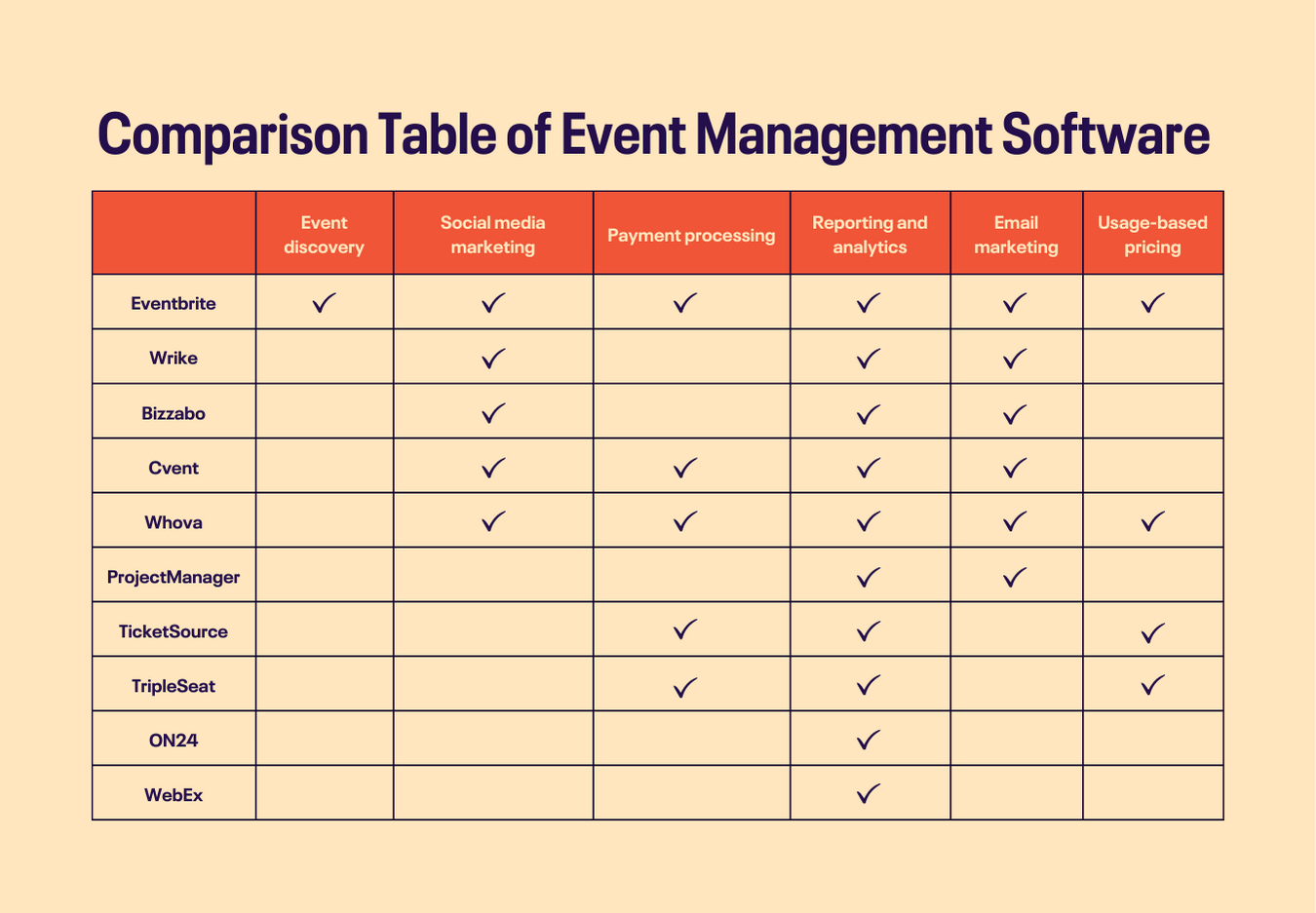
Ten platforms to consider for 2026
These ten platforms are the current leaders for 2026. Pricing changes often, so I've focused on how they structure their tiers rather than listing exact dollar amounts that might be outdated by the time you read this.
1. Judgify: Judgify specializes in abstract and award management, making it a strong choice for academic or research-focused contests. They emphasize security and compliance, which is crucial for sensitive submissions. Pricing is tiered based on the number of submissions and features, with options for both individual events and ongoing programs. The 'vibe' is professional and reliable – perfect for organizations prioritizing credibility.
2. Evalato: Evalato positions itself as next-generation awards management software. It’s a robust platform with a focus on streamlining the entire awards lifecycle. They offer features like submission tracking, judging workflows, and reporting. Evalato feels geared towards larger organizations managing multiple awards programs. Pricing isn’t publicly displayed, suggesting a focus on enterprise clients.
3. Launchpad6: Launchpad6 is a versatile platform suitable for a wide range of contests, from photo competitions to pitch contests. They offer a user-friendly interface and a variety of customization options. Launchpad6 stands out for its AI-powered judging features, although details are limited. Pricing is tiered based on the number of submissions and features, starting with basic plans for smaller events.
4. ContestPad (Launchpad6): A dedicated solution from Launchpad6, ContestPad focuses on online contests and competition voting. It's a streamlined option for events where public voting is a key component. It shares Launchpad6’s user-friendly interface and pricing structure. This is a good option if you don’t need the full suite of features offered by the main Launchpad6 platform.
5. Awardco: Awardco is heavily focused on employee recognition programs, but can be adapted for external contests as well. It’s a comprehensive platform with features for nominations, voting, and rewards. Awardco feels more corporate and less geared towards creative or artistic contests. Pricing is typically based on the number of employees or users.
6. SmarterEntry: SmarterEntry caters to a broad range of contest types, including photography, writing, and design competitions. They offer features for online submissions, judging, and prize fulfillment. SmarterEntry feels like a solid all-rounder, suitable for organizers who need a flexible and customizable platform. Pricing is tiered based on the number of entries and features.
7. Contest Revolution: Contest Revolution specializes in sweepstakes and giveaways, but also supports more complex contests. They offer features for lead generation, social media integration, and prize tracking. Contest Revolution feels geared towards marketing-focused contests. Pricing is based on the number of entries and features.
8. Rafflecopter: Rafflecopter is a popular choice for simple sweepstakes and giveaways. It’s easy to use and integrates with social media platforms. Rafflecopter is best suited for small-scale contests with a focus on lead generation. Pricing is tiered based on the number of entries and features.
9. Woobox: Woobox offers a suite of tools for running contests, sweepstakes, and promotions. It integrates with Facebook, Instagram, and other social media platforms. Woobox feels geared towards social media marketing. Pricing is tiered based on the number of entries and features.
10. Gleam: Gleam is another popular platform for running social media contests and giveaways. It offers features for viral marketing, lead generation, and data collection. Gleam feels like a strong choice for organizers who want to grow their social media following. Pricing is tiered based on the number of entries and features.
Essential Event Organization Gear for Seamless Contest Management

Easy-to-use label maker · Includes 4 label tapes · Compact and portable design
This label maker is perfect for quickly and clearly labeling registration tables, prize areas, or participant kits, ensuring smooth event flow.

Fast direct thermal printing · Ideal for various labeling needs · Renewed for affordability
Streamline your shipping and inventory management by easily printing labels for participant packages, awards, or supplies with this efficient printer.

Bi-color CCD barcode scanner · High scan rate (230-450 scan/s) · 3 mil resolution for accuracy
Quickly scan participant badges or entry tickets for efficient check-in and real-time tracking of attendees at your event.

Wireless presentation remote with laser pointer · Advanced digital highlighting feature · Long-range Bluetooth connectivity (30m)
Command attention during your contest presentations with this advanced remote, allowing you to highlight key information and navigate slides seamlessly.
As an Amazon Associate I earn from qualifying purchases. Prices may vary.
How judging workflows actually work
The judging workflow is where contest management platforms truly prove their value. Basic platforms might offer simple score entry, but the best ones provide sophisticated tools for ensuring fairness and efficiency. Look for platforms that support blind judging, where judges don't see the entrant's identity. This minimizes bias based on reputation or prior relationships.
Scoring criteria are also crucial. Platforms like Judgify and Evalato allow you to define detailed rubrics with weighted scores for different aspects of an entry. This ensures that judges are evaluating submissions based on the same standards. The ability to customize these rubrics is key, as different contests will require different criteria. Standardized scoring helps to defend against challenges to the results.
Managing judge conflicts of interest is another important feature. Some platforms allow you to flag potential conflicts and automatically exclude judges from evaluating submissions where a conflict exists. Calibration features, where judges compare scores and discuss their reasoning, can also help to ensure consistency. Finally, look for platforms that allow judges to provide detailed feedback, which can be valuable for entrants.
Submission tools and features
Robust submission management is the foundation of any good contest. Most platforms offer form builders that allow you to create custom entry forms with various field types (text, numbers, dates, file uploads). The ability to handle different submission types is essential. Can the platform accommodate images, videos, audio files, or complex documents?
Automated confirmations and notifications are also important for keeping entrants informed. Platforms should automatically send confirmation emails upon submission and provide updates on the judging process. Integration with other tools, like Google Forms or Typeform, can be useful for organizers who already use those platforms. However, be aware that integrations may have limitations.
Support for complex eligibility requirements is another key consideration. Can the platform enforce age restrictions, geographic limitations, or other criteria? The ability to collect and verify entrant information is also important for ensuring compliance with contest rules and regulations. Some platforms offer features for managing entry fees and processing payments.
Submission Management Feature Comparison - 2026
| Platform Name | Form Builder Flexibility | File Type Support | Entry Fee Handling | Eligibility Rules |
|---|---|---|---|---|
| Judgify | Excellent | Good | Good | Excellent |
| Evalato | Good | Excellent | Good | Good |
| AwardForce | Good | Fair | Good | Fair |
| Submittable | Excellent | Excellent | Excellent | Good |
| FilmFreeway | Fair | Good | Excellent | Fair |
| EntryNinja | Good | Fair | Good | Good |
| Better Guiding | Fair | Limited | Fair | Limited |
| SmarterEntry | Good | Good | Good | Fair |
Illustrative comparison based on the article research brief. Verify current pricing, limits, and product details in the official docs before relying on it.
Reporting and analytics
Reporting and analytics go beyond simply displaying the final scores. A good platform will provide insights into submission rates, judge performance, and overall contest engagement. This data can be used to identify areas for improvement in future contests. Customizable reports allow you to focus on the metrics that matter most to you.
Look for platforms that offer data export capabilities, so you can analyze the data in your own spreadsheet or data visualization tool. Some platforms offer advanced analytics, such as identifying potential bias in judging or tracking the performance of different marketing channels. This level of detail can be invaluable for optimizing your contest strategy.
The ability to track judge consistency is particularly useful. Are some judges consistently higher or lower than others? Are there discrepancies in how judges are applying the scoring criteria? This information can help you calibrate judges and ensure a fairer judging process. Unfortunately, comprehensive judge bias detection is still relatively rare in these platforms.
Customization and software connections
Integration with other tools can significantly streamline your workflow. Look for platforms that integrate with email marketing platforms (like Mailchimp or Constant Contact), CRM systems (like Salesforce or HubSpot), and social media platforms (like Facebook and Instagram). These integrations can automate tasks like sending notifications, collecting leads, and promoting your contest.
Customization options are also important for maintaining your brand identity. Most platforms allow you to customize the platform's branding, including logos, colors, and fonts. Some platforms offer more advanced customization options, such as the ability to modify the platform's CSS or JavaScript. This requires technical expertise, but it allows for greater flexibility.
If you have a developer, check for an API. It lets you connect the contest data to your own internal systems. Not every platform on this list offers one, so you'll need to check their technical docs for specific SDKs or methods.



No comments yet. Be the first to share your thoughts!