
The shift to hybrid contests
Hybrid events are more than just a livestreamed stage. When you mix in-person and remote participants, you have to rethink how people submit work and how judges see it. It changes the logistics from top to bottom.
Fairness is the biggest hurdle. You have to make sure a person at home has the same resources and judging quality as someone in the room. It gets messy fast when your judges are spread across different time zones.
Organizations are actively responding to this change. The 2026 Tools Competition, for example, explicitly recognizes the need for innovative solutions tailored to hybrid and remote learning environments and, by extension, hybrid contests. This focus signals a broader industry acknowledgment that the future of many competitions will be, at least partially, digital.
Handling remote submissions
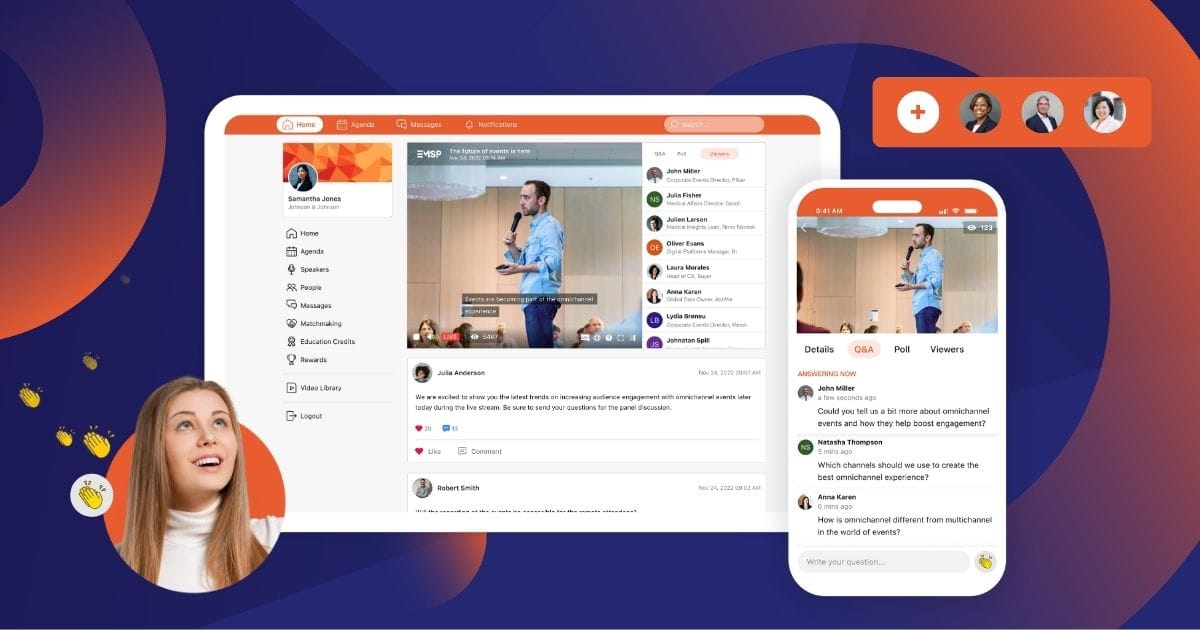
The first hurdle in a hybrid contest is managing submissions from both in-person and remote sources. A robust submission system needs to accommodate a variety of media types – videos, audio recordings, documents, code repositories, and potentially others, depending on the contest’s nature. Flexibility in accepted file formats is essential, but standardization is equally important for judging consistency.
Clear submission guidelines are critical. Contestants need explicit instructions on acceptable file types, size limits, and naming conventions. Automated confirmation emails upon successful submission provide reassurance and a record for both the participant and the organizer. A system for tracking submissions, allowing organizers to monitor completeness and identify potential issues, is also vital.
Security is a major concern with remote submissions. Organizers must implement measures to prevent unauthorized access and ensure the integrity of the submitted materials. This includes secure file storage, access controls, and potentially, digital watermarking or other anti-tampering technologies. Consider the risks associated with public sharing links and prioritize secure, permission-based access.
- Set strict file formats so judges don't have to download five different players to see a video.
- Implement automated submission confirmations.
- Utilize secure file storage and access controls.
Automating the judging process
Automation keeps hybrid judging from falling apart. Good platforms use blind judging to hide names and keep things fair. Digital scorecards are better than paper because they don't get lost and they calculate totals instantly.
Comment sections within the judging platform allow judges to provide detailed feedback to contestants. Automated ranking algorithms can aggregate scores and generate preliminary results, saving organizers significant time and effort. The ability to assign judges to specific submissions based on their expertise is also a valuable feature. Consider platforms that allow for weightings of different judging criteria.
Digital scorecards offer substantial advantages over paper-based systems. They eliminate the risk of lost or damaged forms, simplify data aggregation, and enable real-time monitoring of judging progress. Clear judging criteria and well-defined rubrics are essential to ensure consistency and objectivity. The best platforms facilitate easy rubric creation and customization. A poorly constructed rubric undermines the entire judging process.
Beyond simple scoring, look for tools that support features like inter-rater reliability analysis. This helps identify judges whose scoring consistently deviates from the norm, potentially indicating bias or misunderstanding of the criteria.
Synchronizing In-Person and Remote Judging
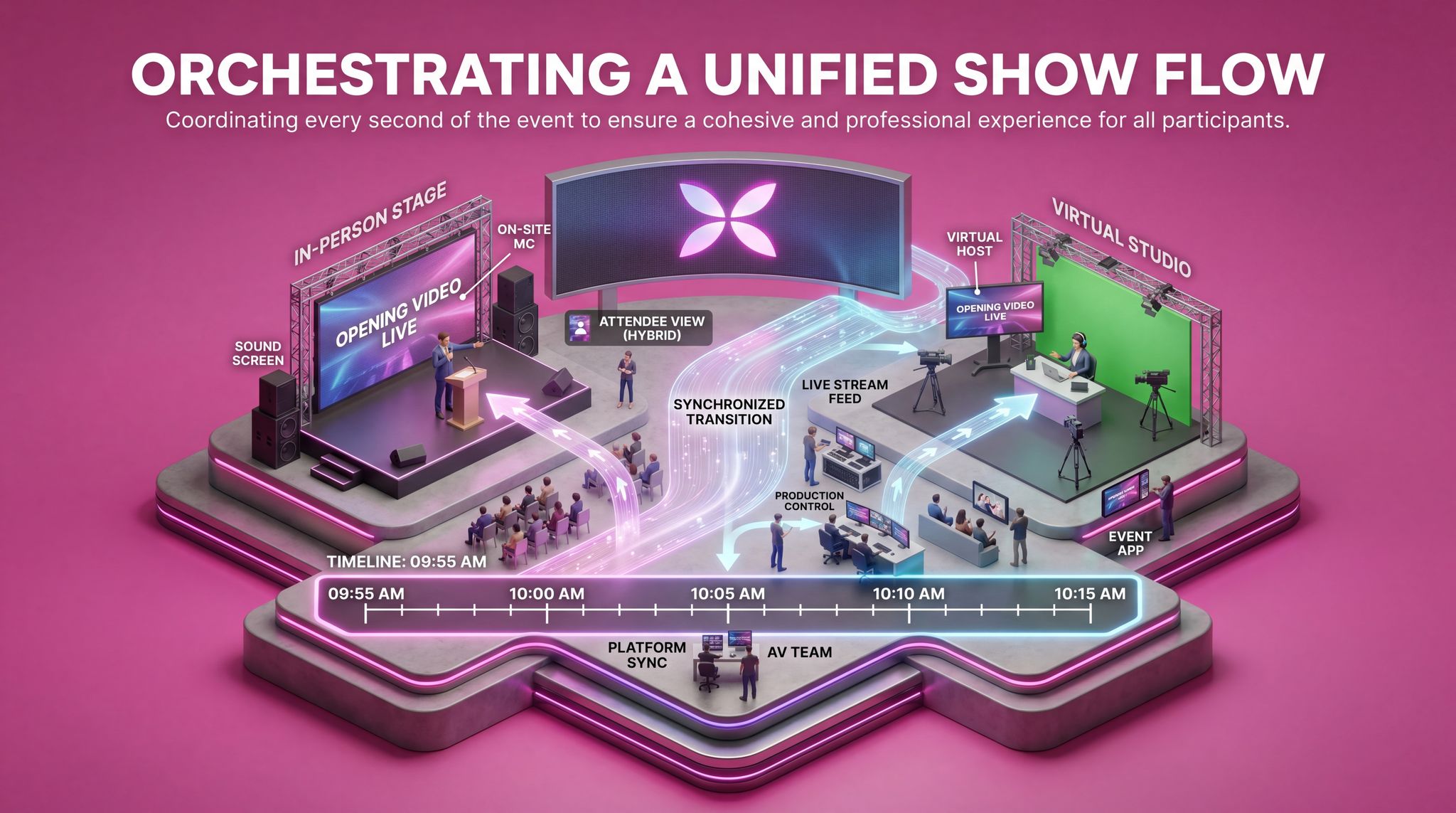
One of the most significant challenges of hybrid judging is synchronizing the efforts of judges evaluating submissions both on-site and remotely. Tools that facilitate real-time collaboration are crucial. This might involve a shared digital workspace where judges can view submissions, enter scores, and leave comments simultaneously. Synchronization of scores is paramount – a single source of truth is essential to avoid discrepancies.
Video conferencing with screen sharing capabilities allows for dynamic discussions among judges, regardless of location. This is particularly valuable for complex submissions that require nuanced interpretation. Reliable internet access for remote judges is a non-negotiable requirement. Contingency plans should be in place to address potential connectivity issues.
Ensuring a consistent judging experience is challenging. Remote judges may lack the immediate access to support or clarification that on-site judges have. Clear communication channels and readily available resources are essential. Consider dedicated communication channels (e.g., Slack, Microsoft Teams) for judges to ask questions and share insights. The goal is to create a level playing field, regardless of where the judge is located.
Hybrid Judging Approach Comparison - 2026
| Approach | Cost | Complexity | Fairness | Collaboration |
|---|---|---|---|---|
| Dedicated Software | Medium | Medium | High | High |
| Spreadsheet + Video Conference | Low | Medium | Medium | Medium |
| Paper Scorecards + Remote Review | Low | High | Low | Low |
| Dedicated Software (Small Scale) | Low to Medium | Low to Medium | High | Medium |
| Spreadsheet + Asynchronous Video Review | Low | Medium | Medium | Low |
| Dedicated Software + Manual Override | Medium | Medium to High | High | High |
Illustrative comparison based on the article research brief. Verify current pricing, limits, and product details in the official docs before relying on it.
Ensuring Accessibility for All Participants
Accessibility isn’t merely a technical requirement; it’s a fundamental principle of fairness and inclusivity. Hybrid events must be accessible to all participants, including those with disabilities. This applies to both contestants and judges. Captioning for videos is essential for individuals who are deaf or hard of hearing. Screen reader compatibility for submission forms ensures that visually impaired contestants can participate fully.
Alternative text for images provides descriptions for screen readers, making visual content accessible. Adhering to relevant accessibility standards, such as the Web Content Accessibility Guidelines (WCAG), is crucial. These guidelines provide a framework for creating accessible digital content. Choosing tools that explicitly support accessibility features is a proactive step.
Consider providing multiple formats for submission materials. For example, allow contestants to submit written responses in both Word document and plain text formats. Offer alternative methods for participation, such as phone-in options for remote judges who may have limited internet access. Accessibility is not an afterthought – it should be integrated into every stage of contest planning.
- Caption every video so deaf or hard-of-hearing participants aren't left out.
- Ensure screen reader compatibility for submission forms.
- Include alternative text for all images.
Security and privacy
Collecting and storing contestant data online introduces inherent security risks. Protecting sensitive information is paramount. Data encryption, both in transit and at rest, is essential. Secure passwords and multi-factor authentication should be enforced for all accounts. Access controls should be implemented to limit access to data based on user roles and permissions.
Compliance with relevant data privacy regulations, such as the General Data Protection Regulation (GDPR) in Europe and the California Consumer Privacy Act (CCPA) in the United States, is legally required. These regulations govern the collection, use, and storage of personal data. Transparency about data handling practices is crucial – contestants should be informed about how their data will be used and protected.
Tools that offer robust security features, such as regular security audits and vulnerability assessments, provide an added layer of protection. Regularly back up data to prevent data loss in the event of a security breach. Conduct thorough security testing of all systems and applications before launch. A proactive security posture is essential to maintaining trust and protecting contestant information.

No comments yet. Be the first to share your thoughts!