
Why Judge Certification Matters in 2026
Judging is becoming more competitive, demanding demonstrable expertise and impartiality. This shift is driven by rising prize money, the professionalization of hobbies, and a demand for transparency.
Formal judge training and certification are essential. Without it, bias increases significantly, undermining competition integrity and leading to disputes. Competitors deserve a level playing field, and certification shows commitment to this.
Judging impacts opportunities. In a coding competition, high scores can lead to job offers, requiring defensible evaluation. Biased judging in scholarship or creative contests can limit access to resources. Toastmasters values judges who are 'fair, accurate, unbiased, trustworthy, and knowledgeable,' qualities honed through training.
Judge training enhances competition quality. A trained judge understands criteria, provides feedback, and creates a positive experience for participants, especially as competitions grow.

Fight week just got more exciting 🙌🏻🥊
— AIMMAA_Fed (@mmafedindia) March 8, 2023
The GAMMAF referee judge training & certification seminar will be held on the 29th of March in New Delhi India - at the Taj Palace Hotel 💯🙌🏻
Learn from the best in the business @Daniel_Isaac75 #GAMMAF @alanthebull
.#MFN 11 pic.twitter.com/u0yMn8aHlk
Decoding Judging Ethics: A Foundation for Certification
Effective judging requires a strong ethical foundation. Credible certification programs prioritize fairness, accuracy, and impartiality. The District 31 Toastmasters Leadership Institute Contest Judge’s Training states good judges must be unbiased and trustworthy. This means mitigating unconscious biases, not just avoiding intentional favoritism.
Confidentiality is critical. Judges often see sensitive information, and maintaining it preserves integrity. The "Judge’s Code of Ethics" stresses avoiding conflicts of interest where personal relationships or financial stakes could compromise objectivity.
Ethical judging requires distinguishing between evaluating and picking a winner. Toastmasters training clarifies a judge identifies the strongest entry by criteria, not critiquing every participant. Feedback is valuable, but selecting the winner by rules is the focus.
Certification programs use modules and case studies to address ethics. They challenge judges to identify biases, navigate conflicts, and apply criteria consistently. Understanding these principles is arguably more important than technical expertise.
- Fairness: Impartial evaluation, free from bias.
- Accuracy: Applying criteria correctly and consistently.
- Confidentiality: Protecting sensitive information.
- Impartiality: Avoiding conflicts of interest.
Types of Judging Certifications: A Categorical Breakdown
Judging certifications vary in scope and focus. One category is domain-specific certifications, qualifying you for fields like culinary arts, dog shows, horticulture, or wine tasting. These often require significant field experience and formal training.
Another category is skill-based certifications, focusing on objective evaluation, bias mitigation, and feedback. These are general and applicable across disciplines. For example, "Effective Evaluation Skills" applies to art, science fairs, or business plan contests.
A third category covers certifications for specific competition formats. Debate judging requires knowledge of argumentation, research, and procedure. Certifications also exist for sports or performance arts. The certification scope dictates judging qualifications; a culinary certification won't qualify you for robotics.
Time commitment and curriculum vary. Some certifications take hours online, others require extensive coursework, experience, and exams. Research specific requirements to align with your interests and goals.
Accredited Online Programs: What to Look For
Demand for judge training has led to many online programs, but quality varies. No universal accreditation body exists, so evaluate programs by looking for those developed by reputable organizations with a proven track record in competition management or evaluation.
The curriculum should cover technical and ethical aspects, including bias mitigation, conflict of interest, and consistent application of criteria. Check instructor qualifications – are they experienced judges with expertise in your field?
Assessment methods matter. Programs with practical exercises and feedback are more valuable than those solely using multiple-choice quizzes. Costs and time commitments should be clear upfront. Self-paced courses offer flexibility; live courses allow interaction.
Consider the program's focus: niche or general. A niche program suits a clear career path; a general one is more versatile. Investigate ongoing support or continuing education. Be cautious of programs promising quick certification without substantial training.
Online Judge Training Program Comparison - 2026
| Program Type | Cost | Time Commitment | Accreditation | Focus |
|---|---|---|---|---|
| General Skills (Communication/Evaluation) | Medium | Medium | Limited | Ethics, Scoring, Feedback |
| Field-Specific (Speech/Debate) | Medium | Long | No | Scoring, Feedback |
| Field-Specific (Science/Engineering) | High | Long | Yes | Scoring, Ethics |
| General Skills (Art/Design) | Low | Short | No | Feedback, Ethics |
| Legal/Mock Trial | High | Long | Yes | Ethics, Scoring |
| Academic (Science Fair) | Medium | Medium | Limited | Scoring, Feedback |
Illustrative comparison based on the article research brief. Verify current pricing, limits, and product details in the official docs before relying on it.
The Certification Process: From Application to Completion
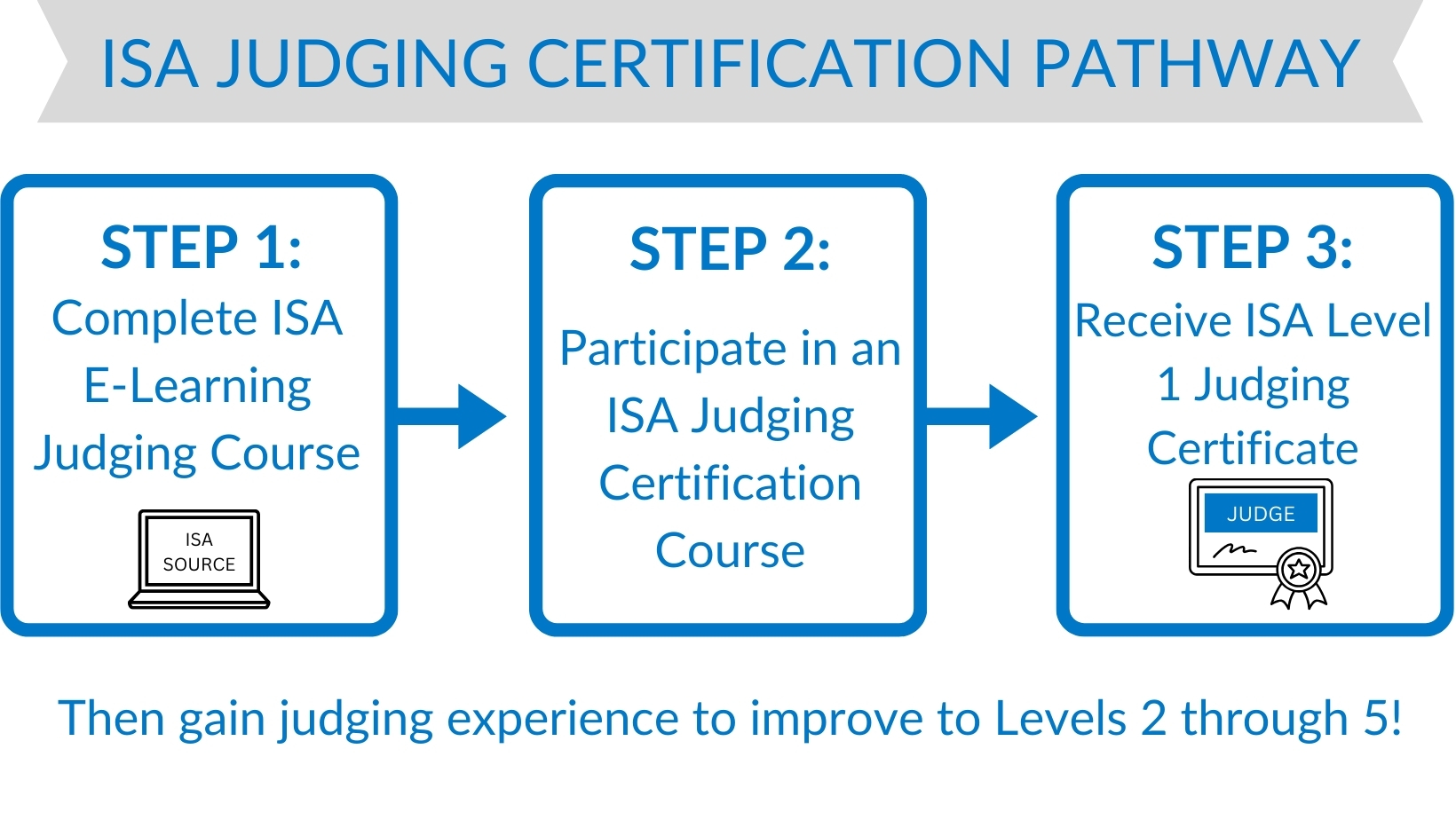
The process of obtaining judge certification online typically begins with an application. This may require providing information about your experience, education, and any relevant qualifications. Some programs may have prerequisites, such as a minimum age or a certain level of experience in the relevant field. Once your application is approved, you’ll gain access to the course materials.
The curriculum is usually delivered through a combination of online modules, videos, and readings. You’ll likely be required to complete quizzes or assignments to demonstrate your understanding of the material. Many programs also include practical exercises, such as mock judging sessions where you evaluate sample entries and receive feedback from instructors or peers.
A final certification exam is typically required to assess your overall competence. This exam may consist of multiple-choice questions, essay questions, or a practical judging simulation. Passing the exam demonstrates that you have met the program’s standards for knowledge and skills. Upon successful completion, you’ll receive a certificate or other form of documentation verifying your certification.
Common challenges include time management, staying motivated, and mastering the technical aspects of judging. To overcome these challenges, set realistic goals, create a study schedule, and actively participate in online discussions. Don’t hesitate to reach out to instructors or fellow students for help when needed.
Maintaining Your Certification: Continuing Education Requirements
Judge certification isn’t a one-time achievement. Many organizations require ongoing education to maintain your credentials. This is because judging standards and best practices evolve over time, and judges need to stay up-to-date with the latest developments. Continuing education ensures that judges remain competent, ethical, and effective.
Common continuing education requirements include attending workshops, completing online courses, or participating in peer reviews. Some organizations may require judges to earn a certain number of continuing education units (CEUs) per year to maintain their certification. The NYCOURTS.GOV emphasizes ongoing judicial education, even though it relates to court systems, the principle of continuous learning applies to all forms of judging.
Finding relevant continuing education opportunities can be as simple as checking the websites of professional judging organizations or searching online for courses and workshops. Networking with other judges can also be a valuable source of information. Many organizations offer discounts or scholarships for continuing education programs.
Recertification may be required every few years, often involving a more comprehensive assessment of your skills and knowledge. This process ensures that you continue to meet the organization’s standards for judge competence and ethical conduct.
Resources for Judges: Organizations and Communities
A wealth of resources are available to support judges in their ongoing professional development. Professional organizations, such as judging associations specific to your field, offer training programs, networking opportunities, and access to industry best practices. Online communities and forums provide a platform for judges to connect with their peers, share experiences, and ask questions.
Toastmasters International (toastmasters.org) provides extensive resources for contest judges, including training materials and evaluation guides. Websites dedicated to competition judging offer articles, tutorials, and other helpful information. Even resources focused on judicial education, like those available through NYCOURTS.GOV (ww2.nycourts.gov), can provide valuable insights into ethical judging practices.
Networking with other judges is invaluable. Attending conferences, workshops, and local judging events allows you to learn from experienced professionals and build relationships. Participating in online discussions and forums can also provide a sense of community and support. Remember that continuous learning and collaboration are key to becoming a more effective and ethical judge.
Actively seeking feedback on your judging performance is also crucial. Ask competitors or organizers for their honest opinions, and be open to constructive criticism. The more you learn and grow, the better equipped you’ll be to fulfill your role as a fair and impartial judge.
Content is being updated. Check back soon.


No comments yet. Be the first to share your thoughts!