

What makes a contest platform reliable
A contest management platform is only as trustworthy as its underlying infrastructure. When thousands of entries flood in, the system must handle the load without dropping data or slowing down the judging process. Reliability in this context means three things: security, scalability, and workflow efficiency.
Security is non-negotiable. Platforms like Judgify provide end-to-end automated award management, ensuring that entries are stored securely and that judging criteria remain consistent throughout the evaluation process. Without robust data protection, the integrity of the contest is compromised before the first vote is cast.
Scalability ensures the platform doesn’t buckle under pressure. Award Force, for instance, is designed to manage contest entries, judging, and result selection online, even as volume spikes. If the system lags or crashes during peak judging hours, it introduces bias simply by making it harder for judges to access or evaluate entries fairly.
Fairness relies on platform integrity, not just rules. A secure, scalable system removes technical barriers that could inadvertently skew results.
Workflow efficiency ties it all together. Judges need intuitive tools to score, comment, and rank entries without friction. Complex interfaces or poor navigation can lead to fatigue, inconsistent scoring, and ultimately, an unfair outcome. The best platforms streamline these processes, allowing judges to focus on the quality of the work rather than the mechanics of the software.
Choosing a platform that excels in these areas ensures that the contest results reflect merit, not technical glitches.
Judgify for automated award workflows
Judgify operates as an end-to-end automation system designed specifically for abstract management and award ceremonies. Rather than forcing organizers to stitch together separate tools for submission and scoring, the platform consolidates the entire judging lifecycle into a single interface. This approach reduces administrative friction, allowing teams to focus on evaluation quality rather than data entry.
The system handles multiple contest types simultaneously, making it a practical choice for organizations running parallel award tracks. Judges can review submissions online without downloading files or managing local spreadsheets. The platform’s interface supports blind review protocols and weighted scoring, ensuring that the final ranking reflects the agreed-upon fairness standards.
For teams looking to support their judging infrastructure with physical or digital organizational tools, the following products may complement your workflow:
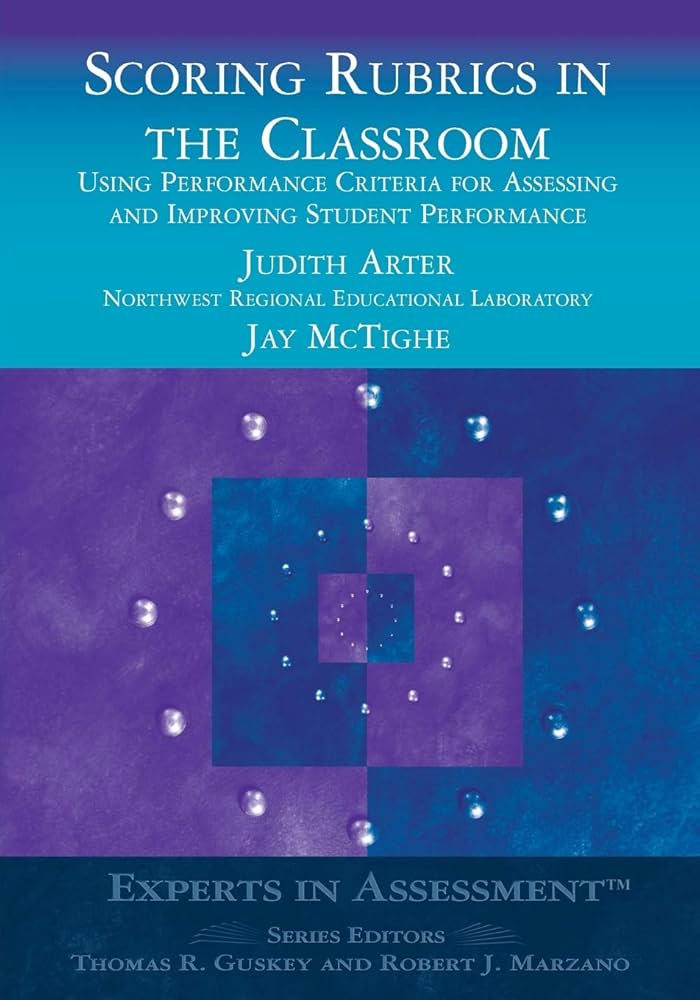


As an Amazon Associate, we may earn from qualifying purchases.
Award Force for complex selection processes
Award Force is built for organizers who need to manage high-volume entries and multi-stage judging workflows. It serves as a central hub where you can collect submissions, assign judges, and track scores without relying on scattered spreadsheets. The platform is particularly useful for large-scale competitions where fairness and auditability are non-negotiable.
The system supports detailed entry management, allowing you to customize forms for different entry categories. Judges can evaluate submissions using standardized rubrics, ensuring consistent scoring across all participants. This structure helps prevent bias and provides a clear paper trail for every decision made during the selection process.
For organizations running annual awards or grant competitions, Award Force streamlines the entire lifecycle from application to announcement. Its robust reporting features help you analyze judging data and identify trends in your submissions.
How Award Force Compares
| Feature | Award Force | Basic Form Tools | Spreadsheet Tracking |
|---|---|---|---|
| Multi-Stage Judging | Yes | No | Manual |
| Entry Deduplication | Yes | No | No |
| Judge Scoring Rubrics | Yes | Limited | No |
| Audit Trail | Yes | No | No |
Related Tools



As an Amazon Associate, we may earn from qualifying purchases.
Submittable for Video and Creative Contests
Submittable is the standard for managing video contests because it treats media files with the same rigor as text submissions. Rather than forcing judges to download large attachments, the platform hosts videos directly in the browser. This allows evaluators to start watching immediately, which reduces friction and keeps the judging process moving at a steady pace.
The viewing tools are designed for fairness. Judges can watch submissions in full resolution without compression artifacts that might obscure details. The interface supports time-stamped comments, enabling judges to note specific moments in a video that need attention. This feature is essential for creative contests where timing, pacing, and specific scenes matter more than the overall impression.
For organizers, the workflow remains consistent whether the entry is a PDF or a 10-minute film. Submissions are automatically sorted, tagged, and distributed to the correct judging panel. This uniformity prevents errors where video entries might accidentally be overlooked or misfiled. The platform also handles the heavy lifting of bandwidth, ensuring that judges with slower connections can still access high-quality content without buffering issues.
The system also supports blind judging modes, which are critical for maintaining objectivity. Judges see only the assigned scorecard and the media file, with no visible applicant names or metadata. This separation ensures that the quality of the video is the only factor influencing the score, protecting the integrity of the competition from the first view to the final tally.
Launchpad6 for audience engagement
Launchpad6 is built to bridge the gap between public enthusiasm and professional evaluation. It allows organizers to capture user-generated content (UGC) and integrate it directly into the judging workflow. This dual approach ensures that audience participation feels meaningful without compromising the integrity of the professional scores.
The platform supports various voting mechanisms, including ranked-choice and point-based systems. Judges can review submissions in a dedicated interface while the public votes on a separate, branded portal. This separation prevents vote stuffing and keeps the judging process transparent and fair. Organizers can also set up blind judging modes where the public votes on anonymized entries.
For contests that rely heavily on community involvement, Launchpad6 provides real-time analytics. You can track participation rates, popular entries, and voting trends as they happen. This data helps you adjust marketing efforts or extend deadlines if engagement lags. The system also handles the technical load of high-traffic voting periods, ensuring a smooth experience for all participants.
Compare judging software options
Choosing the right platform requires matching specific event needs against core capabilities. Organizers should evaluate entry limits, the number of distinct judging roles supported, pricing structures, and media handling features. A structured comparison prevents costly mismatches between software promises and operational reality.
The following table highlights key differentiators among leading contest management platforms. These features directly impact fairness, scalability, and administrative workload.
| Feature | Platform A | Platform B | Platform C |
|---|---|---|---|
| Entry Limits | Unlimited | 5,000 max | Unlimited |
| Judging Roles | Multi-tier | Single | Multi-tier |
| Pricing Model | Subscription | Per-entry | Hybrid |
| Media Support | Video & Image | Image only | Video & Image |
Prioritize platforms that offer multi-tier judging roles if your event involves complex scoring rubrics. For high-volume contests, unlimited entry limits and hybrid pricing models often provide better long-term value than per-entry fees. Ensure media support aligns with your submission types to avoid manual preprocessing.
Questions about contest management tools
Choosing the right software means balancing ease of use with rigorous security. Platforms like Judgify and Award Force handle the full lifecycle from entry collection to final scoring, ensuring that data integrity remains intact throughout the judging process.
How do I train judges on new software?
Most modern platforms, including Launchpad6, offer intuitive dashboards that require minimal training. Look for tools that provide built-in scoring guides and trial rounds. This allows judges to practice with dummy entries before the live contest begins, reducing errors and ensuring consistent scoring standards.
Is contestant data secure on these platforms?
Security is non-negotiable. Reputable systems like Zealous and Judgify use encrypted databases to protect personal information and submissions. Verify that the platform complies with GDPR or local privacy laws, and check if they offer role-based access controls to limit who can view raw entry data.
Can I customize the judging criteria?
Flexibility is key. Award Force and Judgify allow you to define custom scoring rubrics, weight specific criteria, and assign different judges to different submission categories. This ensures that the judging process aligns with your specific contest goals rather than forcing you into a rigid template.
No comments yet. Be the first to share your thoughts!