
What judge training certification means
Judge training certification is a formal credential that verifies an individual has completed specific education on the rules, procedures, and ethics of evaluating contests. While the term "judge" often conjures images of courtroom proceedings, this certification is distinct from legal judicial roles. It is designed specifically for competition contexts, ensuring that evaluators can assess participants fairly and consistently.
These programs are common in speech and debate, academic decathlons, and various sports. For example, the National Speech & Debate Association (NSDA) offers self-paced online modules that accredit judges to evaluate specific event types. Similarly, the National Field Archery Association (NFAA) provides a certification program that educates aspiring judges on round formats and scoring procedures. These credentials ensure that the person holding the whistle or clipboard understands the technical nuances of the game.
The primary goal of this certification is standardization. Without trained judges, scoring can become subjective and inconsistent, leading to disputes and unfair advantages. By completing a recognized training program, judges demonstrate their commitment to integrity and accuracy. This process protects the integrity of the competition and gives participants confidence that their performance is being measured against a clear, established standard.
Why contests need certified judges
Every competition faces the same fundamental challenge: keeping scores fair when human judgment is involved. Without a structured approach, two judges can easily interpret the same performance differently. One might value technical precision, while another prioritizes creative flair. This inconsistency doesn't just frustrate participants; it erodes trust in the entire event.
Judge training certification solves this by establishing a shared baseline. It ensures that every evaluator understands the scoring rubric in the same way. When judges are certified, they aren't just bringing their personal preferences to the table; they are applying a standardized framework. This alignment is what turns subjective opinions into objective, defensible scores.
Consider how a talent show or a robotics competition operates. In these settings, the margin between first and second place can be mere fractions of a point. If judges haven't undergone consistent training, those tiny differences become arbitrary. Certification provides the rigor needed to make those decisions credible. It signals to participants, parents, and sponsors that the results are earned, not guessed.
The value extends beyond the scoring sheet. Certified judges also create a safer, more respectful environment for competitors. They know how to provide constructive feedback and handle disputes with professionalism. This level of maturity is essential for maintaining the integrity of the contest. Ultimately, judge training certification isn't just about rules; it's about respecting the effort everyone puts into the competition.
Common judge training certification pathways
Most judge training certification programs follow one of three main structures: self-paced online modules, in-person workshops, or hybrid models that combine both. The right choice depends on your schedule, budget, and the specific rules of the competition you plan to officiate. While legal judgeships require extensive law school and bar exams, contest judging focuses on mastering specific event criteria, scoring rubrics, and conflict resolution.
Self-paced online modules
Many organizations, such as the National Speech & Debate Association (NSDA), offer judge accreditation through digital platforms. These modules allow you to study rules and scoring guidelines on your own time. You typically complete reading materials, watch video examples, and pass a final quiz to earn your certificate. This is the most flexible and affordable option, often costing nothing or a small administrative fee. It is ideal for volunteers who need to get certified quickly or live far from training centers.
In-person workshops
Competitive sports like archery, often governed by bodies like the National Field Archery Association (NFAA), frequently require or strongly recommend in-person training. These workshops provide hands-on experience with equipment, real-time feedback from senior judges, and networking with other officials. While more expensive and time-consuming, they offer a depth of understanding that online courses cannot match. You learn to handle edge cases and difficult competitor interactions in a controlled environment.
Renewal and continuing education
Certification is rarely a one-time event. Most organizations require judges to renew their credentials every one to three years. Renewal usually involves completing a short refresher course or attending a single workshop. This ensures that judges stay current with rule changes, new scoring technologies, and safety protocols. Some programs also offer continuing education credits for educators who serve as judges, linking officiating to professional development.
Hybrid and specialized tracks
Some organizations, like Odyssey of the Mind, offer hybrid models where general training is online but specialized event training is in-person or virtual live. This approach balances flexibility with the need for specific, high-level instruction. Specialized tracks might focus on technical events, creative categories, or leadership roles. Choosing the right pathway ensures you are prepared to evaluate performances fairly and consistently, which is the core goal of any judge training certification.
| Format | Typical Duration | Estimated Cost | Best For |
|---|---|---|---|
| Self-paced online | 4-10 hours | Free - $50 | Busy volunteers, quick certification |
| In-person workshop | 1-3 days | $100 - $300 | Hands-on learning, networking |
| Hybrid model | Variable | $50 - $150 | Specialized events, educators |
Digital tools for judging software
Certification training has moved beyond the courtroom and into the cloud. Modern contest management platforms and judging software integrate directly with certification requirements to streamline scoring and reduce human error. This shift allows certified judges to focus on evaluation rather than administration.
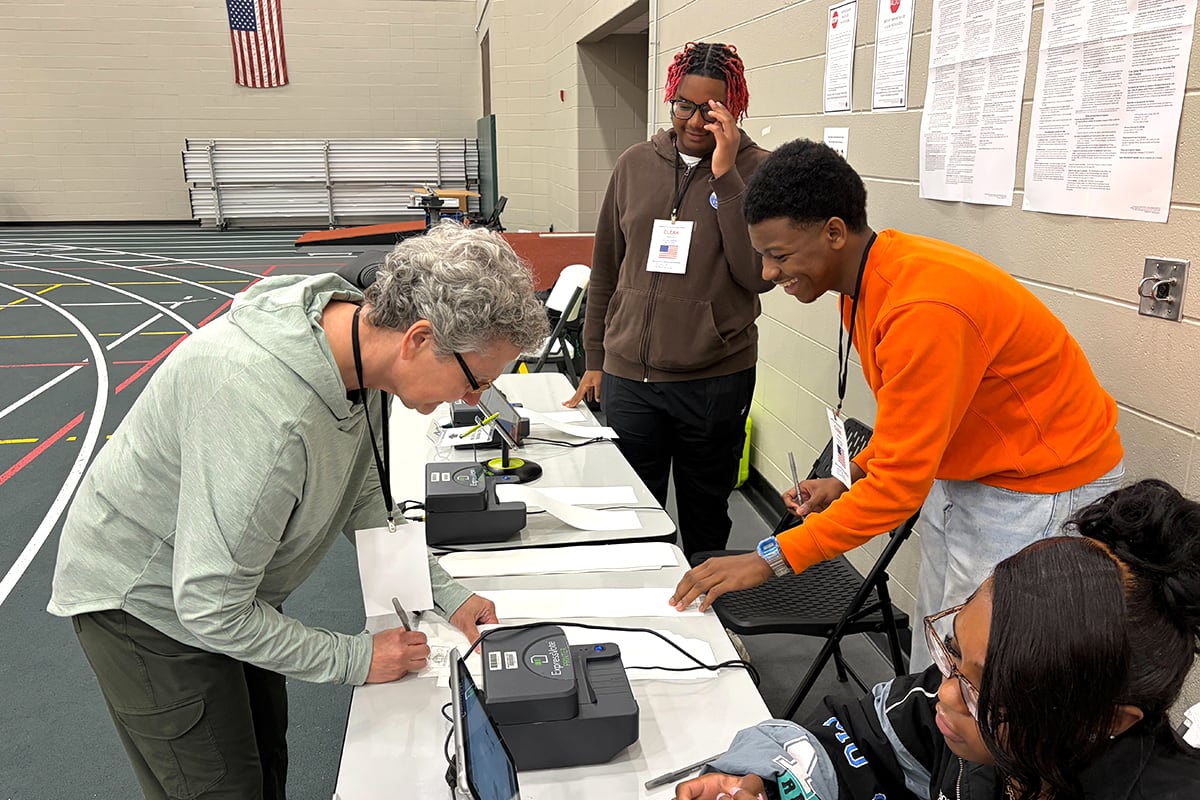
For many organizations, the path to certification now includes mastering specific digital tools. Whether it is the self-paced modules offered by the National Speech & Debate Association or the structured programs from field archery associations, the curriculum increasingly emphasizes digital literacy. Judges must know how to navigate scoring interfaces, manage participant data, and interpret real-time analytics.
The primary benefit is accuracy. Automated scoring systems minimize the risk of calculation mistakes that can plague manual entry. They also provide an audit trail, ensuring that every score is traceable and defensible. This transparency is essential for maintaining the integrity of any competition.
This integration creates a smoother experience for everyone involved. Organizers spend less time collating results, and judges receive immediate feedback on their performance. As these tools become more sophisticated, they are setting a new standard for fairness and efficiency in contest evaluation.

Frequently asked questions about certification
Getting your judge training certification is a significant step toward fair and consistent contest evaluation. Below are answers to the most common questions about requirements, timelines, and ongoing education.
These questions cover the basics, but specific requirements can vary by contest type. Always check with the governing body of your specific competition for the most accurate and up-to-date information.
No comments yet. Be the first to share your thoughts!