
Judging in the digital age
Online competitions are everywhere now. Whether it's an esports tournament or a coding challenge, judging has moved from the convention hall to the screen. This shift makes it harder to stay objective. You can't rely on the same physical cues you'd get in person, so you need a specific set of digital skills to keep things fair.
This shift isn't simply about learning to use new software; it’s about adapting established judging principles to a digital environment. Traditional judging methods, designed for live performances or physical displays, often fall short when applied to digital submissions. The potential for bias, whether conscious or unconscious, can be amplified by the lack of nonverbal communication and the reliance on digital representations. A robust training program is essential to mitigate these risks.
Effective judging extends far beyond simply identifying a winner. It requires the ability to provide constructive, actionable feedback that helps participants improve. This is especially true in educational competitions where the learning process is as important as the outcome. Judges need to be equipped to articulate their reasoning clearly and respectfully, even when delivering critical assessments. The goal is to foster growth, not just rank participants.
The need for standardized training is becoming increasingly apparent. While many organizations rely on experienced individuals to mentor new judges, this approach can lead to inconsistencies in evaluation criteria. A structured, accredited program ensures that all judges are operating from the same foundational understanding of best practices and ethical considerations.
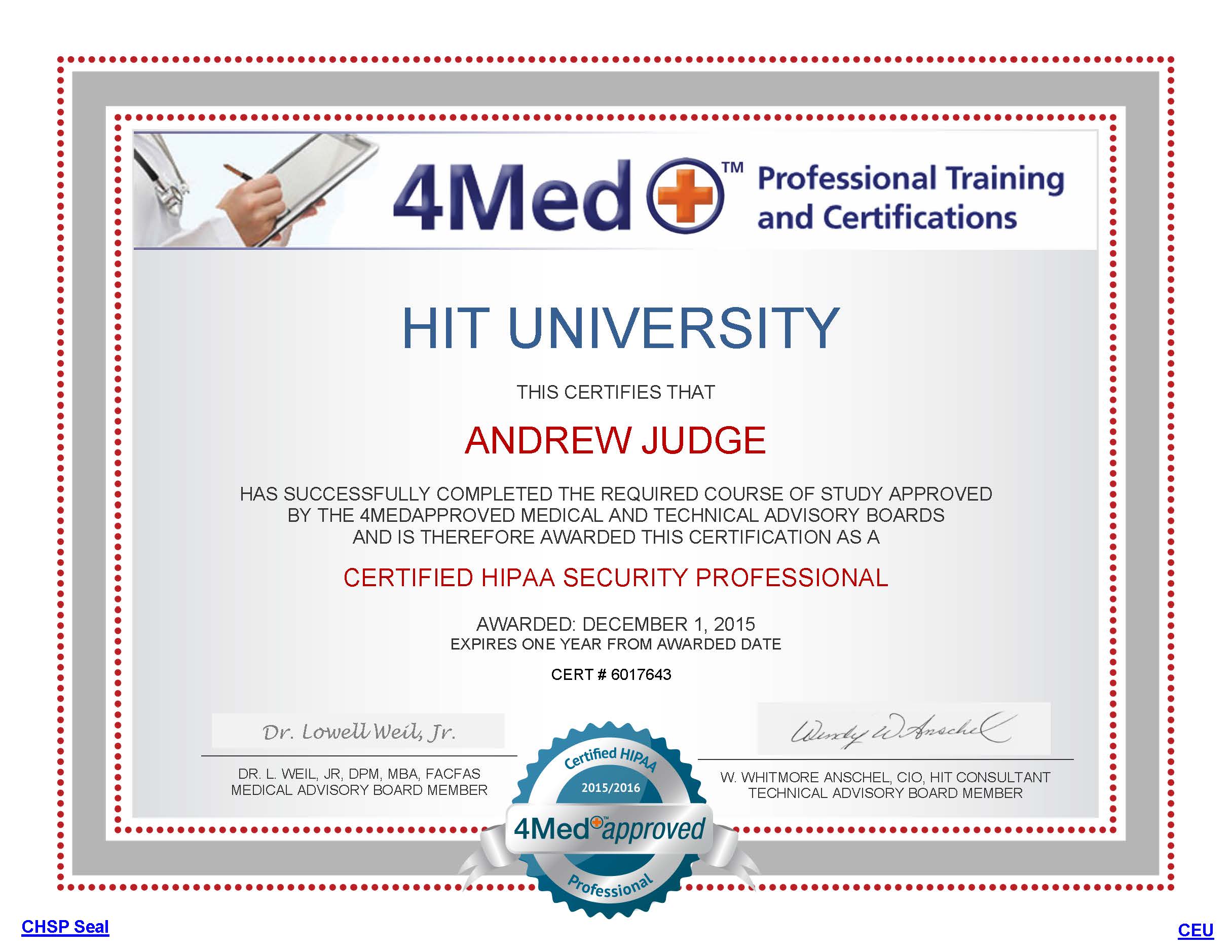
What accreditation actually means
Accreditation means an independent group has checked the course against a set of quality standards. There isn't one single 'gold standard' yet because digital judging is still new, but these programs give you a consistent curriculum and vetted instructors. It's better than winging it with a self-taught mentor.
A recognized qualification can also enhance a judge’s credibility and marketability. Contest organizers often prioritize judges who have completed accredited training, as it demonstrates a commitment to professional development and a thorough understanding of best practices. It signals to participants that the judging process will be fair, impartial, and based on clearly defined criteria.
Currently, there isn’t a single 'gold standard' for judge training accreditation. The value of a program depends on the reputation of the issuing organization and the relevance of the curriculum to the specific type of competition you intend to judge. Thoroughly researching the program provider, examining their curriculum, and seeking feedback from past participants are all crucial steps in the evaluation process.
- Curriculum Relevance: Does the program cover the specific skills needed for the competitions you'll be judging?
- Instructor Credentials: What is the experience and expertise of the instructors?
- Program Reputation: What do past participants say about the program?
- Accreditation (if any): Is the program accredited by a reputable organization?
Essential Resources for Digital Judge Training Certification
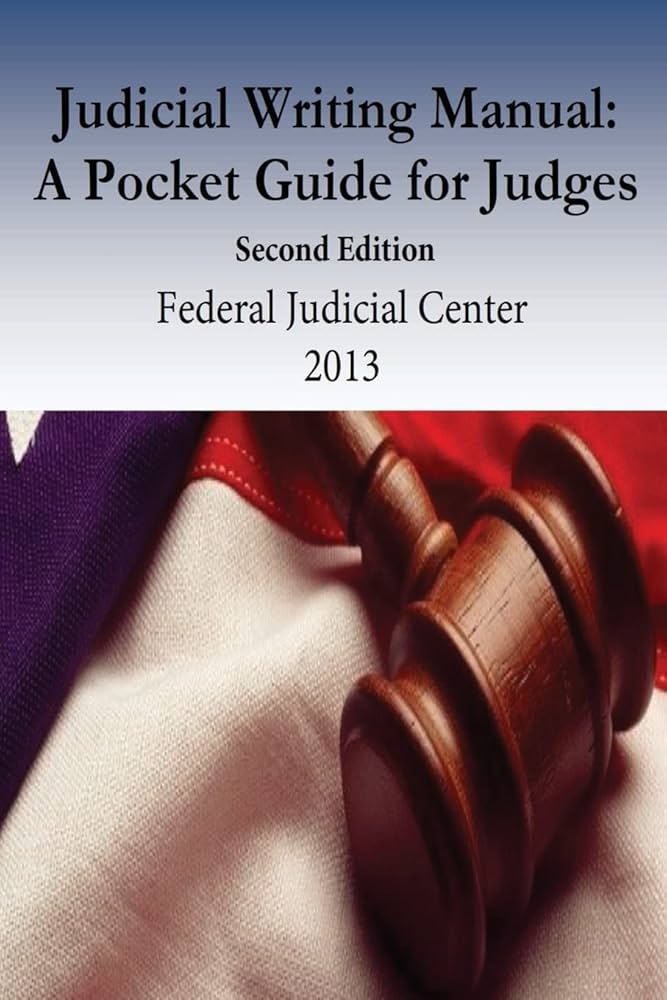
Comprehensive coverage of judicial procedures and ethics · Detailed case law analysis · Practical guidance on courtroom management
This manual provides foundational knowledge essential for understanding the principles and practices of judicial proceedings, crucial for judge training.

Standardized criteria for objective evaluation · Customizable scoring system · Clear performance indicators
A rubric template offers a structured framework for consistent and fair assessment, a key component in training evaluators for digital competitions.

Extensive practice question bank (3,000+) · Online learning platform access · Proven test-taking strategies
This comprehensive study guide and online platform are designed to prepare individuals for high-stakes certification exams, mirroring the rigor of judge training.
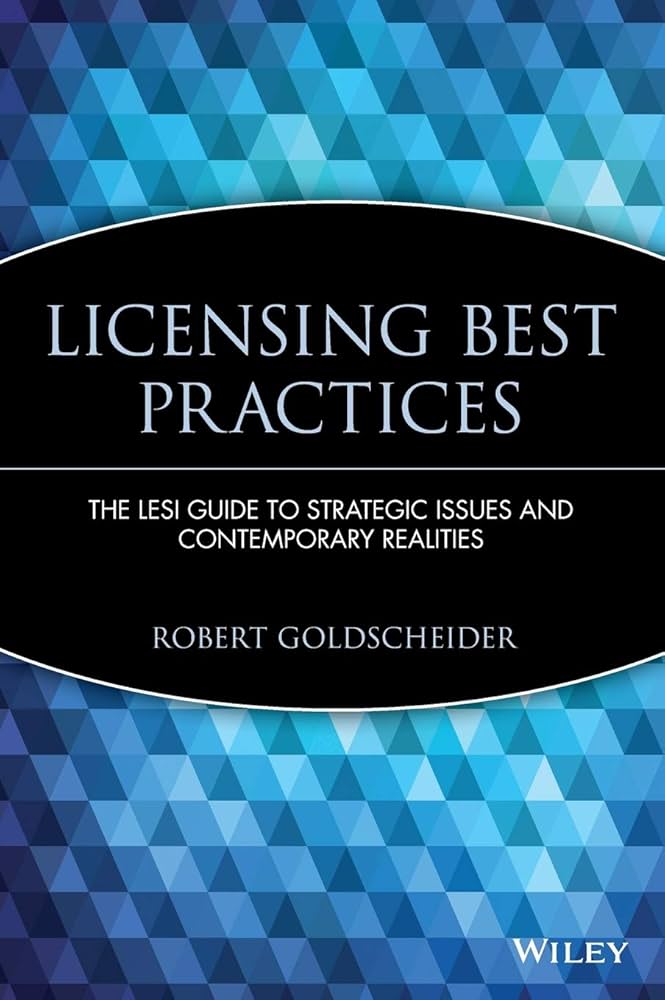
Expert insights into effective judging methodologies · Case studies of successful competition management · Ethical considerations for evaluators
This guide offers best practices in judging, providing essential insights into fair and effective evaluation techniques applicable to various digital assessment scenarios.
Automated scoring and feedback mechanisms · Secure data management and reporting · User-friendly interface for evaluators
Digital assessment tools streamline the evaluation process, offering efficient and reliable solutions for managing and analyzing performance data in digital judge training.
As an Amazon Associate I earn from qualifying purchases. Prices may vary.
7 accredited programs for 2026
Identifying definitively 'accredited' programs is challenging, as a universal standard is lacking. The following programs represent a selection of well-regarded options offering structured judge training as of late 2026,
1. National Speech & Debate Association (NSDA) Judge Training: Targeted towards speech and debate judges, this program focuses on understanding judging philosophy, providing constructive feedback, and applying NSDA rules. Key modules cover ballot writing, clash analysis, and ethical considerations. Delivery is primarily online, with occasional in-person workshops. A focus on nuanced argumentation is a core benefit.
2. FIRST Robotics Judge Training: Offered by the Robotics Education & Competition Foundation (RECF), this program prepares judges for FIRST Robotics competitions. It covers technical judging criteria, robot design assessment, and team interview techniques. The program is entirely online and emphasizes the importance of recognizing innovation and engineering excellence. It's extremely valuable for those without a robotics background.
3. USA Gymnastics Judges Certification: This program certifies judges for gymnastics competitions at various levels. It includes extensive training in technical rules, scoring procedures, and safety protocols. Training is a hybrid model, combining online modules with in-person clinics. The program’s strength lies in its rigorous standards and comprehensive coverage of gymnastics judging principles.
4. Art Competition Judging Academy (ACJA): ACJA provides specialized training for judges of visual arts competitions. Modules cover art historical context, aesthetic principles, and criteria for evaluating artistic merit. Delivery is online, with opportunities for peer review and feedback. ACJA’s emphasis on subjective evaluation and the articulation of artistic rationale is particularly useful.
5. Esports Integrity Commission (ESIC) Judge Program: This program focuses on the unique challenges of judging esports tournaments, including anti-cheating measures, fair play regulations, and dispute resolution. Training is online and emphasizes the importance of maintaining integrity in competitive gaming. ESIC's focus on rule enforcement and ethical conduct is crucial in this rapidly evolving field.
6. Toastmasters International Judge Training (see section 4): While not a formal 'certification' in the same vein as others, Toastmasters offers extensive resources and training for evaluating speeches and providing constructive feedback. This program is particularly valuable for those interested in public speaking and communication skills. It's a strong foundation for broader judging roles.
7. CodeChef Competition Judging Course: CodeChef, a popular competitive programming platform, offers a course designed to train individuals to evaluate coding submissions effectively. The course focuses on understanding algorithmic complexity, code quality, and testing methodologies. The program is entirely online and geared towards individuals with a strong programming background.
Accredited Digital Judge Training Programs - 2026 Comparison
| Program Name | Target Contest Type | Focus | Time Commitment | Cost | Accreditation Status |
|---|---|---|---|---|---|
| Toastmasters International Judge Training | Public Speaking & Leadership Contests | Contest Rules, Ballot Completion, Objective Evaluation | Medium | Under $100 (associated with membership) | Yes |
| National Speech & Debate Association (NSDA) Judge Certification | Speech & Debate Competitions | Rubric Application, Constructive Feedback, Ethical Judging | High | $100-$500 | Yes |
| Future Farmers of America (FFA) Judging Program | Agricultural Skills & Leadership Events | Comparative Analysis, Accurate Scoring, Industry Standards | Medium | $100-$500 | Yes |
| 4-H Competitive Events Judge Training | Livestock, Horticulture, STEM, & Creative Arts | Species-Specific Knowledge, Fair Assessment, Record Keeping | Medium | Under $100 | Partial |
| Destination Imagination (DI) Judge Training | STEM, Creative Problem Solving, Team Challenges | Open-Ended Problem Solving, Team Dynamics, Solution Assessment | Medium | Free | Yes |
| FIRST Robotics Competition Judge Training | Robotics Design, Strategy, & Performance | Engineering Principles, Game Strategy, Teamwork Evaluation | High | $100-$500 | Yes |
| Science Olympiad Judge Training | Science & Engineering Events | Event-Specific Knowledge, Objective Scoring, Safety Protocols | Medium | Under $100 | Partial |
Illustrative comparison based on the article research brief. Verify current pricing, limits, and product details in the official docs before relying on it.
Learning after you're certified
Earning a judge training certification is a valuable first step, but it’s not the final one. The field of competitive events is constantly evolving, and judges need to engage in ongoing professional development to stay current with best practices and emerging trends. This includes attending workshops, participating in judge communities, and actively seeking feedback on your evaluations.
Reviewing judging rubrics and scoring criteria regularly is essential for ensuring consistency and objectivity. It’s also helpful to observe experienced judges in action and learn from their techniques. Online forums and professional organizations can provide opportunities to connect with other judges and share insights.
Perhaps most importantly, self-reflection is crucial for continuous improvement. Taking the time to analyze your own evaluations, identify areas for growth, and solicit feedback from participants can significantly enhance your judging skills. A willingness to learn and adapt is essential for becoming a truly effective judge.
- Attend Workshops: Participate in continuing education opportunities to stay updated on best practices.
- Join Judge Communities: Connect with other judges to share insights and learn from their experiences.
- Review Rubrics: Regularly examine judging criteria to ensure consistent application.
- Seek Feedback: Actively solicit feedback on your evaluations from participants and organizers.
- Self-Reflection: Analyze your own judging performance to identify areas for improvement.


No comments yet. Be the first to share your thoughts!