
Competition Scoring System Budget
A competition scoring system is an investment in fairness, but the price tag varies wildly depending on whether you need a basic manual pad or a fully automated digital rig. The primary tradeoff is between initial cost and long-term labor. Cheap manual systems save money upfront but demand hours of data entry and verification by volunteers. Digital systems cost more but automate the math, reducing human error and speeding up results.
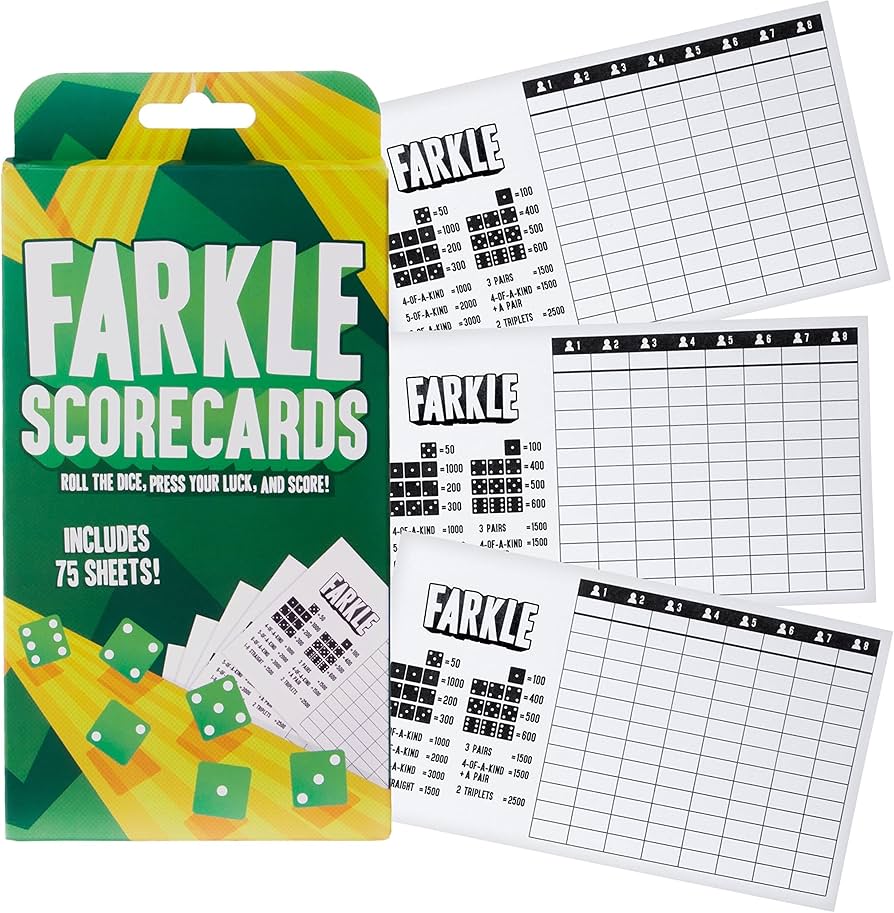
When setting your budget, consider the number of judges and the complexity of your scoring rules. Simple events with one judge per competitor can get by with low-cost digital tablets or even paper scorecards. Complex events with multiple judges, weighted criteria, and real-time leaderboards require more robust software or hardware, which drives up the cost.
Don't overlook the hidden costs of maintenance and training. A $200 system that is confusing to use will frustrate judges and slow down your event, costing you more in lost time than the savings on the purchase price. Look for systems that offer clear support and easy setup.


As an Amazon Associate, we may earn from qualifying purchases.
Start by defining your must-haves: real-time scoring, multiple judges, or specific rule sets. Then, filter options by budget. It is better to buy a slightly more expensive system that fits your needs perfectly than a cheap one that requires workarounds.
Shortlist real options
to AI-Enhanced Competition Scoring Systems works best as a clear sequence: define the constraint, compare the realistic options, test the tradeoff, and choose the path with the fewest hidden costs. That order keeps the advice usable instead of decorative. After each step, pause long enough to check whether the recommendation still fits the reader's actual situation. If it depends on perfect timing, unusual access, or a best-case budget, include a simpler fallback.
| Factor | What to check | Why it matters |
|---|---|---|
| Fit | Match the option to the primary use case. | A good deal still fails if it does not fit the job. |
| Condition | Verify age, wear, and service history. | Hidden condition issues erase upfront savings. |
| Cost | Compare purchase price with likely upkeep. | The cheapest option is not always the lowest-cost option. |
Inspect the expensive parts
to AI-Enhanced Competition Scoring Systems works best as a clear sequence: define the constraint, compare the realistic options, test the tradeoff, and choose the path with the fewest hidden costs. That order keeps the advice usable instead of decorative. After each step, pause long enough to check whether the recommendation still fits the reader's actual situation. If it depends on perfect timing, unusual access, or a best-case budget, include a simpler fallback.


Plan for ownership costs
The sticker price of an AI-enhanced competition scoring system is rarely the final cost. While the initial license or hardware purchase covers the software’s launch, ongoing expenses accumulate quickly. These hidden costs often determine whether a system remains a fair judging tool or becomes a budget drain.
The most common surprise is maintenance and updates. AI models require regular recalibration to maintain accuracy as judging criteria evolve. If the vendor charges per update or requires expensive annual support contracts, these fees add up. Always check if security patches and bug fixes are included in the base price or billed separately.
Hardware longevity is another factor. AI systems often rely on high-performance processors or specialized sensors. If these components degrade or become obsolete, you may need to replace hardware sooner than expected. Compare the expected lifespan of the hardware against the cost of replacement. A cheaper system with a two-year lifespan may cost more over five years than a pricier, durable alternative.
Finally, consider the cost of training. AI tools are only as good as the judges who use them. If the system requires extensive training sessions or dedicated support staff to operate correctly, factor those labor costs into your decision. A system that demands less training might have a higher upfront cost but lower long-term ownership expenses.


As an Amazon Associate, we may earn from qualifying purchases.
Competition scoring system: what to check next
Choosing the right AI-enhanced competition scoring system requires understanding how data moves from the judge’s tablet to the final leaderboard. These answers address the practical objections organizers face when switching from manual tally sheets to automated platforms.
The best systems balance speed with transparency. Judges should see their inputs reflected immediately, while organizers get a clear audit trail for dispute resolution.
No comments yet. Be the first to share your thoughts!