
How we picked the best platforms for 2026
Finding a contest management platform that actually supports fair judging in 2026 requires looking past the marketing gloss. We focused on four concrete capabilities that directly impact the integrity of your competition: how the system handles incoming entries, the flexibility of scoring rubrics, tools for judge collaboration, and the ability to integrate with your existing workflow.
Entry handling was our first checkpoint. A platform must cleanly parse submissions, whether they are digital files, text entries, or video links, without losing data or creating duplicate records. We tested how each platform sorted and tagged entries to ensure judges only saw relevant submissions. If the intake process is clunky, judges waste time on logistics instead of evaluation.
Scoring flexibility determines how accurately you can measure quality. We looked for platforms that support weighted criteria, custom rubrics, and different scoring scales (numeric, star-based, or pass/fail). The best tools allow you to tailor the scoring model to the specific contest type, rather than forcing every competition into a one-size-fits-all template.
Judge management is where many platforms fail. We prioritized tools that offer clear dashboards for judges to track their progress, submit scores securely, and communicate with administrators if needed. Features like blind judging (where judges don't see entrant identities) and automated conflict-of-interest checks are critical for maintaining fairness. We also checked for integration capabilities, ensuring the platform can connect with payment gateways for entry fees and email systems for notifications, as cited by Capterra’s overview of awards management software Capterra. Platforms that operate in silos create friction and increase the risk of human error.
Judgify simplifies abstract and award management
Judgify is built for organizers who want to automate the messy parts of running a contest without getting bogged down in complex setup. It handles everything from abstract submission to final award distribution, making it a solid choice for events of any size. The platform focuses on keeping the process clean and automated, so you can spend less time managing data and more time judging.
The system allows you to reach your audience through a custom awards landing page, which keeps participants engaged from submission to announcement. This level of customization ensures that your event maintains a professional look and feel, regardless of how large or small it is. The interface is designed to be intuitive, reducing the learning curve for both administrators and judges.
For those looking for a straightforward solution that prioritizes simplicity, Judgify offers a clear path to streamlined contest management. While specific pricing details are not publicly listed, you can contact them directly for a quote or start with a free trial to see if it fits your workflow.



As an Amazon Associate, we may earn from qualifying purchases.
Award Force for end-to-end control
Award Force operates as a dedicated operating system for contest organizers, handling the entire lifecycle from entry collection to final results. The platform is designed to scale with your event, whether you are managing a small local scholarship or a high-volume international competition. It removes the need to stitch together disparate tools, keeping all participant data and judging metrics in one secure location.
The entry management system allows for customizable forms that capture specific applicant details without requiring coding knowledge. Organizers can set up automated email sequences for acknowledgments, status updates, and notifications. This automation reduces administrative overhead significantly, allowing staff to focus on reviewing submissions rather than managing logistics.
Judging workflows are highly configurable, supporting single or multi-round evaluation processes. Judges can access submissions via a clean interface that enforces blind judging rules if needed. The platform tracks scores, comments, and time spent on each entry, providing an audit trail that ensures transparency and fairness in the selection process.
Once the judging is complete, Award Force streamlines the announcement phase. Winners can be selected directly within the dashboard, and the system can generate personalized notification emails. Results can be published to a branded winner’s page, and data can be exported for further analysis or reporting.
For detailed pricing and feature comparisons, you will need to contact Award Force directly as they do not publish standard tiered rates online. A free trial is typically available for new users to test the interface before committing. This approach ensures that organizations can verify the platform’s fit for their specific judging criteria and volume requirements.
Launchpad6 for audience engagement
Launchpad6 operates as a specialized contest and awards management platform, but its real strength lies in how it handles the people behind the entries. While many platforms treat participants as passive data points, Launchpad6 is built to capture and activate user-generated content (UGC). It turns a simple submission process into a two-way conversation, helping organizers build a community rather than just a list of judges.
The platform focuses heavily on voting and engagement features that keep audiences active. Instead of a static results page, organizers can set up interactive voting mechanisms that encourage participants to share their entries. This drives traffic back to the contest hub and increases the visibility of the competition. It’s particularly useful for contests where social proof and peer validation matter as much as the final score.
For organizers looking to harness UGC, Launchpad6 provides the tools to showcase entries in compelling ways. Whether it’s a photo contest, a video submission, or a written entry, the platform allows for rich media display that looks good on any device. This visual appeal is critical for keeping users engaged and encouraging them to return to vote or comment.
The platform offers a free demo, allowing you to test these engagement features before committing. You can see firsthand how the voting tools and UGC capture mechanisms work together to create a more dynamic contest experience. It’s a practical choice for brands and organizations that want their competitions to feel like events, not just administrative tasks.
OpenWater for streamlined awards
OpenWater positions itself as a dedicated engine for awards programs, stripping away the general-purpose fluff found in broader contest management platforms. If your primary goal is to run a clean, professional awards cycle—from opening applications to announcing winners—this is where the platform focuses its energy. It handles the heavy lifting of application intake, judging coordination, and winner communication in one unified dashboard.
The platform shines in its ability to simplify communication. Instead of juggling multiple email threads or spreadsheets to keep judges and applicants in the loop, OpenWater automates status updates and notifications. Judges can review submissions directly within the system, leaving clear trails of scores and feedback that administrators can export or review later. This reduces the administrative drag that often slows down awards programs.
For organizations that need robust tracking, OpenWater provides detailed analytics on submission volumes, judging progress, and deadline adherence. You can see exactly where bottlenecks are forming and adjust workflows in real time. The interface is designed to be intuitive, meaning less training time for volunteers or staff who may not be tech-savvy.
While it doesn't offer a self-serve free trial, OpenWater invites users to contact them for a personalized demo and pricing. This consultative approach ensures the software is tailored to the specific scale and complexity of your awards program, whether you're running a small local competition or a large national industry award.
Compare judging platforms side by side
Picking the right contest management software in 2026 comes down to your specific workflow. Whether you need to handle thousands of entries or just want a simple scoring sheet, the features vary significantly between platforms. Here is how the main contenders stack up on the details that actually matter for fair judging.
Checklist for choosing your platform
Picking a contest management platform is less about flashy features and more about workflow fit. Use this checklist to evaluate whether a tool like Judgify, Award Force, or Launchpad6 can handle your specific judging logistics before you sign up.

Ensure the platform supports distinct portals for entrants, judges, and administrators. Judges need a clean interface to score entries without navigating complex menus, while admins need robust tools to assign judges to specific categories or entries.
Look for customizable scoring rubrics that support weighted criteria, blind judging modes, and real-time score aggregation. The system should automatically calculate totals to prevent manual calculation errors during the final selection phase.
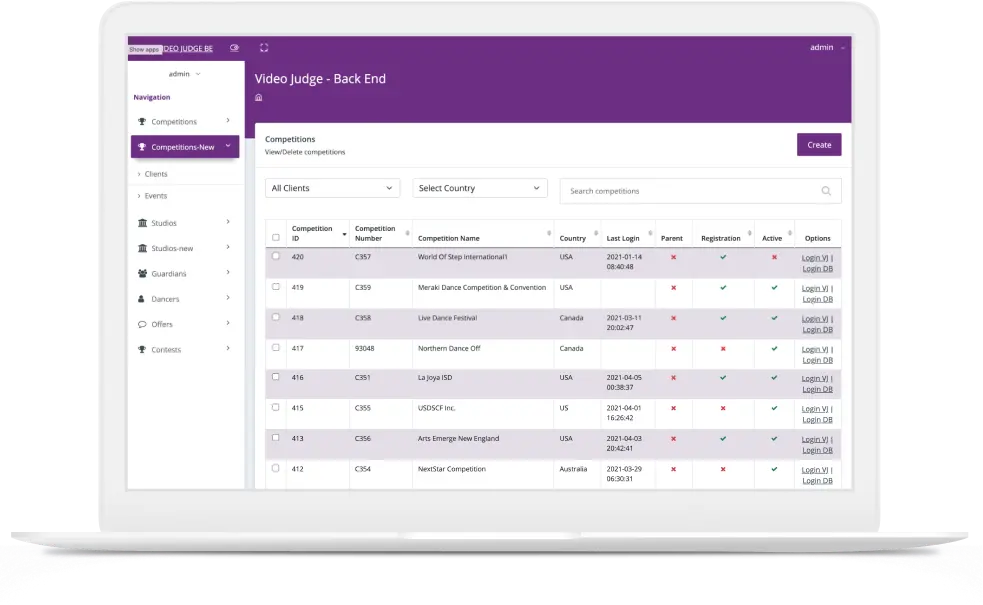
Evaluate how easily you can invite judges via email and track their progress. A good platform provides dashboard views showing which judges have started, paused, or completed their reviews, allowing you to send timely reminders.
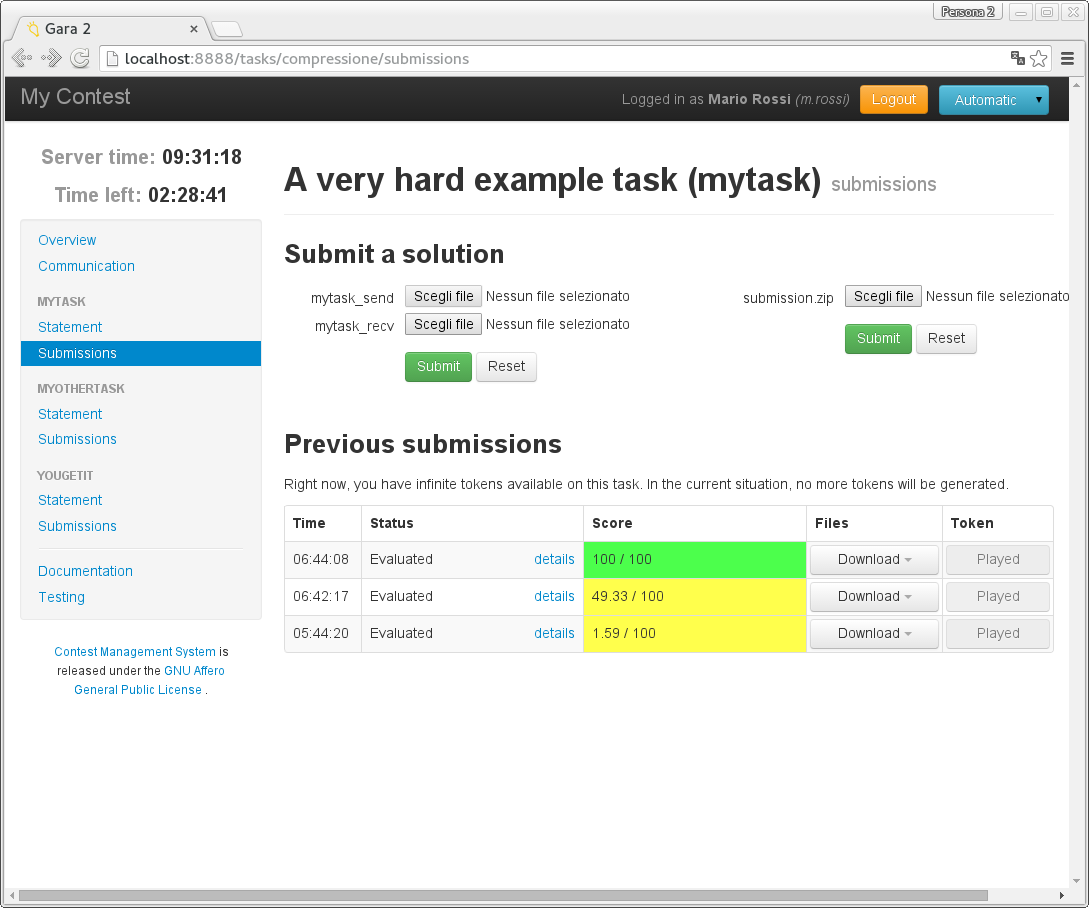
Verify that the platform offers secure data handling for entrant information and allows you to export final results in standard formats like CSV or PDF. This ensures you retain ownership of your data and can integrate results into your own reporting systems.
Take advantage of free trials or demos to test these features with a small group of judges. This hands-on approach reveals usability issues that feature lists often miss.
Common questions about judging software
Contest management platforms handle everything from entry collection to final scoring, but the details matter. Here are answers to the most frequent questions organizers ask before committing to a platform.
No comments yet. Be the first to share your thoughts!