
The shift to real-time judging
Competition judging is moving away from paper and spreadsheets. While speed is a nice perk, the real push comes from organizers who need to manage larger events without losing track of the data. We need scores that are easy to verify the moment they are entered.
The limitations of older systems are becoming increasingly apparent. Paper-based scoring is prone to errors, difficult to audit, and can create delays in announcing results. Spreadsheets offer some improvement, but still require manual data entry and are susceptible to manipulation. Competitors and organizers alike are seeking a more transparent and efficient process.
The pressure to deliver results quickly, coupled with the need for demonstrable fairness, is driving this change. Real-time scoring isn’t just a convenience; it’s becoming an expectation. This demand is pushing developers to create more sophisticated and reliable digital judging technology. We’re entering an era where immediate feedback and data-driven insights are central to the competitive experience.
The tech behind the scores
Several key technologies are converging to make real-time competition scoring a reality. At the foundation is reliable and secure data transmission. This means leveraging robust WiFi networks or, increasingly, 5G cellular connectivity to ensure judges can submit scores from anywhere within the competition venue.
Cloud computing is essential for scalability. A real-time system needs to handle a large volume of data from multiple judges simultaneously. Cloud infrastructure provides the processing power and storage capacity required to manage this load without performance degradation. This contrasts sharply with older systems that might have relied on a single, vulnerable computer.
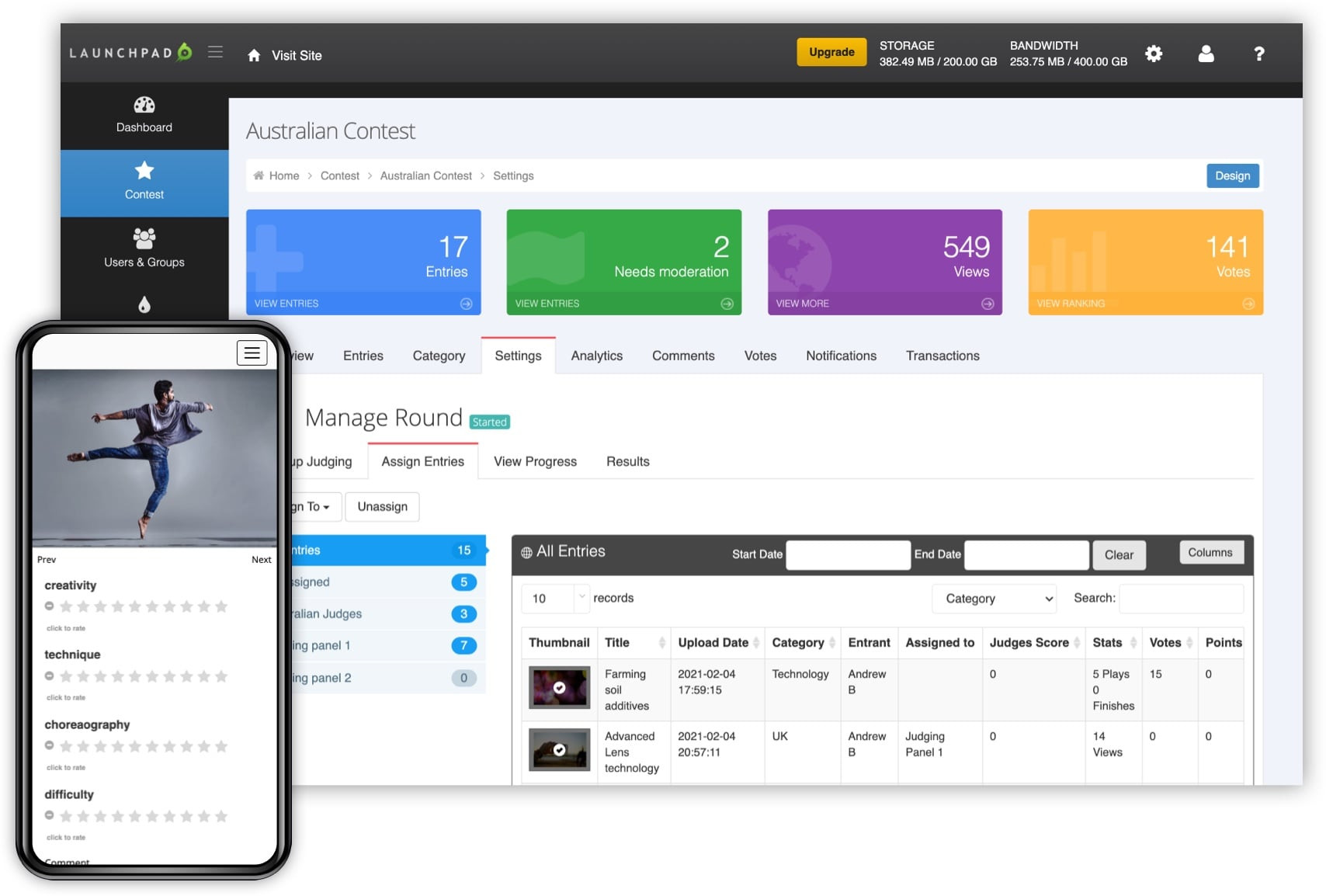
Judges use tablets or laptops to enter data. These devices use APIs to talk to the central scoring engine. This setup moves data from the judge's screen to the leaderboard without anyone having to re-type numbers into a master sheet.
The OptimAI Leaderboard is now live!!
— OptimAI Network (@OptimaiNetwork) December 17, 2025
We’ve just released a full walkthrough of the OptimAI Leaderboard - the system that transparently tracks and ranks contributor activity across the network.
What you can see:
• Weekly rankings and lifetime rankings
• Real-time scoring… pic.twitter.com/tW1pyfjFW7
New ways to calculate winners
Real-time systems open the door to far more nuanced scoring methodologies than simple averaging allows. Weighted scoring is becoming increasingly common, recognizing that not all judging criteria are equally important. For example, in a dance competition, technique might be weighted more heavily than presentation. This allows for a more precise reflection of overall performance.
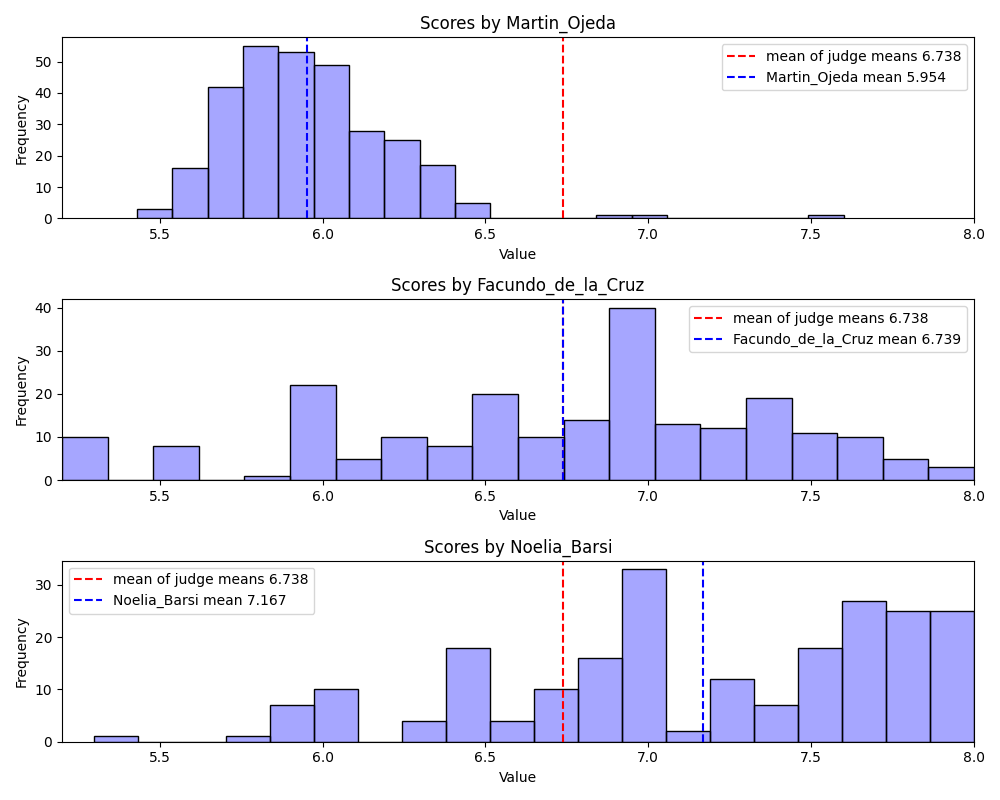
Software can now flag outliers—scores that are way off from what other judges are seeing. This helps catch mistakes or bias before the final results go out. Some events are also moving to rank-order averaging, where judges just rank the performers. This stops one judge from ruining a score by being too stingy or too generous with their points.
The potential for blind judging is also enhanced by real-time systems. By concealing competitor identities from judges during scoring, bias can be minimized. CompetitionSuite, for example, offers robust scoring system options, allowing organizers to customize scoring criteria and weighting to fit their specific needs. These systems enable a level of control and precision previously unattainable.
More advanced systems can also track judge consistency over time. If a judge consistently scores higher or lower than others, adjustments can be made to their scores to level the playing field. This requires careful calibration and a transparent process to avoid accusations of manipulation.
Comparison of Scoring Methodologies for Real-Time Competition Evaluation
| Scoring Methodology | Ease of Implementation | Resistance to Bias | Ability to Handle Complex Criteria | Transparency for Competitors |
|---|---|---|---|---|
| Simple Average | Very High | Low | Low | High |
| Weighted Average | Moderate | Moderate | Moderate | High |
| Rank-Order Averaging | Moderate | Moderate | Moderate | Moderate |
| Blind Judging | Moderate to High (requires system support) | High | Moderate | Low (until results are revealed) |
| Pairwise Comparison | High (with software) | Moderate | Moderate | Moderate |
| Bradley-Terry Model | Low (requires statistical expertise and software) | Moderate to High | High | Low (model interpretation is complex) |
| Elo Rating System | Moderate (requires ongoing updates) | Moderate | Moderate | High |
Illustrative comparison based on the article research brief. Verify current pricing, limits, and product details in the official docs before relying on it.
Security and data integrity
The move to real-time scoring introduces significant data security challenges. Protecting sensitive scoring data from unauthorized access, modification, or deletion is paramount. Encryption, both in transit and at rest, is a fundamental requirement. This ensures that data is unreadable to anyone without the proper decryption key.
Robust access controls are also essential. Judges should only have access to the scoring interface and the specific competitions they are assigned to. Audit trails, which record all scoring activity, provide a valuable mechanism for detecting and investigating potential security breaches. These trails are crucial for verifying the integrity of the results.
While blockchain technology is often touted as a solution for data immutability, its practical application in competition scoring is still evolving. However, the core principle – creating a tamper-proof record of scores – is valuable. Data privacy regulations, such as GDPR and CCPA, must also be carefully considered. Systems must be designed to comply with these regulations and protect the personal data of competitors and judges.
Making software easy for judges
A technically sophisticated scoring system is useless if judges find it difficult to use. Intuitive interfaces are critical. Judges need to be able to quickly and easily navigate the scoring rubric, enter scores, and submit their evaluations. Clear visual cues and minimal clutter are essential.
Offline functionality is another important consideration, particularly for competitions held in venues with unreliable internet connectivity. The system should allow judges to continue scoring even when offline, automatically synchronizing data when a connection is restored. Automated data validation and error checking can help to reduce mistakes and ensure data accuracy.
Accessibility is often overlooked, but it’s vital. The system should be designed to accommodate judges with disabilities, providing features like screen reader compatibility and adjustable font sizes. A positive user experience leads to more accurate and consistent scoring, ultimately benefiting all participants.
Integration & Compatibility: Playing Well With Others
Real-time scoring systems rarely operate in isolation. They need to integrate seamlessly with existing competition management platforms that handle registration, scheduling, and results publishing. This integration streamlines the entire competition process and avoids the need for manual data transfer.
API standards are crucial for achieving interoperability. Well-defined APIs allow different systems to communicate with each other, exchanging data in a standardized format. However, the reality is that many competition management platforms use proprietary APIs, creating integration challenges. Open-source solutions can offer greater flexibility and interoperability, but they may require more technical expertise to implement.
Data export capabilities are also essential. Organizers need to be able to export scoring data in various formats (e.g., CSV, Excel) for analysis and reporting. This allows them to gain insights into judging trends and identify areas for improvement. The ability to customize reports is also highly valuable.

No comments yet. Be the first to share your thoughts!