Why AI-Hybrid Judging Matters
Contest management has always been a balancing act between scale and fairness. Manual judging is accurate but slow, while fully automated systems are fast but often miss context. AI-hybrid judging platforms bridge this gap by handling the heavy lifting of triage and initial scoring, leaving human judges to focus on nuance, creativity, and final decision-making.
This shift doesn't replace the human element; it amplifies it. By using AI to filter out ineligible entries or flag potential conflicts of interest, organizers save hours of administrative work. Judges then receive a curated shortlist, allowing them to spend their time evaluating quality rather than sorting logistics. The result is a process that is both faster and more consistent.
Platforms like Judgify and Award Force exemplify this approach. They offer end-to-end automation for award management while keeping the human judge at the center of the evaluation loop. This hybrid model ensures that while the process is efficient, the final output retains the subjective judgment that makes contests meaningful.
Top contest management platforms
Choosing the right software depends on how you want AI to fit into your judging workflow. Some platforms use machine learning to pre-screen entries or flag duplicates, while others focus on organizing human judges and scoring rubrics. The best contest management platforms for 2026 blend automation with clear, intuitive interfaces that keep judges engaged.
Judgify
Judgify positions itself as an end-to-end automated award management system. It is designed to streamline the entire contest lifecycle, from entry collection to final results. The platform offers robust judging management tools that allow organizers to set up complex scoring rubrics and manage judge assignments efficiently. Its interface is built for ease of use, reducing the learning curve for both admins and judges. Judgify is particularly strong for organizations that need a dedicated, standalone system for high-volume awards and competitions.
Award Force
Award Force is an award-winning platform known for its comprehensive approach to contest and award management. It handles everything from entry collection and judging to the selection of results, all online. The software is highly customizable, allowing organizers to tailor the judging process to specific needs, whether it’s a simple popularity contest or a rigorous academic competition. Award Force’s strength lies in its flexibility and its ability to scale with your event, making it a reliable choice for larger, more complex contests.
Launchpad6
Launchpad6 focuses on helping businesses capture and activate user-generated content (UGC) through contests and awards. Its platform is designed to be engaging for participants while providing organizers with the tools to manage voting and judging effectively. Launchpad6 is ideal for brands looking to boost engagement and community interaction through their contests. The platform’s intuitive design ensures that both participants and judges have a smooth experience, enhancing the overall user experience.
OpenWater
OpenWater’s awards management software simplifies the entire awards program, from application and review to communication and tracking. It is built to handle the complexities of large-scale awards, providing a centralized hub for all judging activities. The platform’s focus on streamlining processes helps reduce administrative burden, allowing organizers to focus on the quality of the competition rather than the logistics. OpenWater is a solid option for organizations that need a reliable, all-in-one solution for managing their awards programs.
| Platform | AI Capability | Best For | Pricing Model |
|---|---|---|---|
| Judgify | Automated pre-screening | High-volume awards | Subscription |
| Award Force | Custom scoring logic | Complex competitions | Subscription |
| Launchpad6 | UGC engagement tools | Brand contests | Per-event |
| OpenWater | Automated workflows | Large-scale programs | Subscription |
Key Features for AI-Assisted Scoring
When you move from manual judging to an AI-hybrid model, the platform needs to handle more than just data entry. It must act as the bridge between human judges and algorithmic scoring engines. If the infrastructure is clunky, your judges will spend more time fighting the interface than evaluating entries. Here is what actually matters when you are building a scoring workflow that blends human insight with machine speed.
API Access and Integrations
You need a system that talks to other tools without requiring custom code. API access allows you to connect your contest platform to external AI scoring models, CRM systems, or payment gateways. Without this, you are stuck with data silos. Look for platforms that offer robust REST APIs or pre-built integrations. This flexibility ensures you can swap out AI providers as technology improves without rebuilding your entire contest workflow. Award Force, for example, is a cloud-based awards management platform that supports these kinds of integrations for organizers of pitch competitions and scholarships.
Data Security and Privacy
AI models often require access to sensitive entry data to function. If you are using third-party AI for initial screening or scoring, you must ensure the platform guarantees data privacy. Look for SOC 2 compliance, encryption at rest, and clear data retention policies. The platform should allow you to anonymize data before it hits the AI engine if necessary. This protects your participants and keeps your contest compliant with regulations like GDPR or CCPA. A breach here doesn’t just hurt your reputation; it can invalidate the entire judging process.
Custom Scoring Rubrics
Not all contests are created equal. A design competition needs different metrics than a scholarship essay contest. Your platform must support custom scoring rubrics that can be applied consistently across all entries. This includes weighting different criteria, allowing multiple judges per entry, and handling different scoring scales (e.g., 1-5 stars vs. 1-100 points). The best systems, like Judgify, allow you to set up complex judging workflows where AI might handle initial triage, but human judges apply nuanced rubrics for final scoring. This hybrid approach ensures fairness while leveraging AI for efficiency.
Real-Time Analytics and Reporting
Judges need immediate feedback on their performance and the overall state of the contest. Real-time dashboards show you how many entries have been scored, average scores by category, and potential outliers. This transparency helps you identify bottlenecks early. If one judge is scoring significantly lower than others, you can intervene before it skews the results. The platform should also export this data in formats that are easy to analyze further, such as CSV or JSON, for post-contest reporting.
How to Choose Your Contest Management Platform
Picking the right contest management platform for AI-hybrid judging comes down to matching three variables: your scale, your judge count, and your budget. A platform that works for a local high school science fair will buckle under the weight of a national design competition.
The goal is to find a system where the AI handles the heavy lifting of initial sorting and scoring, while human judges retain final authority. If the software makes it difficult for judges to override AI scores or add qualitative notes, the hybrid model fails.

Start by listing your expected entry volume and the number of human reviewers. High-volume contests need platforms that can ingest thousands of submissions without slowing down. If you have more than fifty judges, look for role-based access controls and parallel judging lanes so reviewers don't step on each other's toes.
Not all "AI" features are created equal. Some platforms only offer basic keyword tagging. For AI-hybrid judging, you need tools that can pre-score submissions, flag duplicates, or summarize long-form entries. Check if the AI suggestions are transparent and if judges can easily see the reasoning behind an automated score.
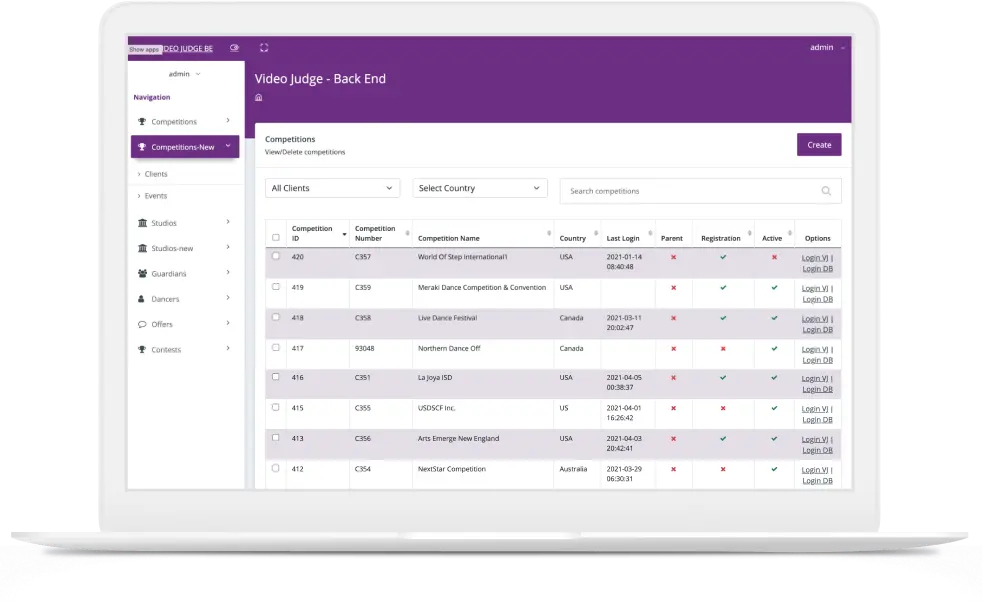
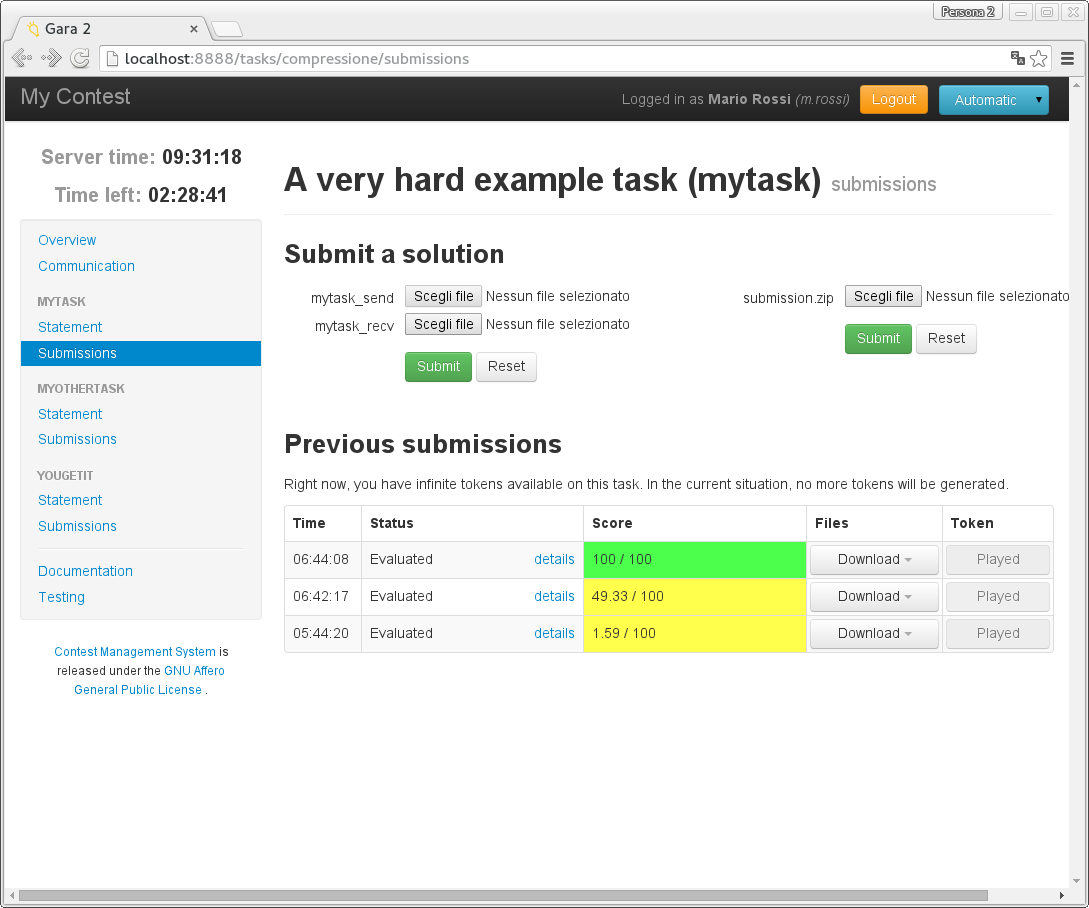
Your judges are volunteers or busy experts; they won't tolerate a clunky interface. Log in as a judge and try to score a few sample entries. Look for a clean dashboard, easy navigation between submissions, and mobile responsiveness. If the UI is confusing, judges will submit incomplete feedback or drop out entirely.
Contest entries often contain sensitive intellectual property or personal data. Ensure the platform is GDPR and CCPA compliant, offers secure data encryption, and allows you to control data retention policies. You need to know exactly where your data lives and who has access to it.



As an Amazon Associate, we may earn from qualifying purchases.
Frequently asked: what to check next
How does AI affect judging bias?
AI tools can reduce human bias by applying the same scoring criteria to every entry, but they aren't perfect. If the training data contains historical prejudices, the algorithm might replicate them. The best platforms use AI only for initial triage or scoring suggestions, keeping a human in the loop for final decisions to ensure fairness.
Is my contest data safe with these platforms?
Data security is critical when handling user submissions. Look for platforms like Judgify or Award Force that offer enterprise-grade encryption and compliance with GDPR or CCPA. Since these are cloud-based solutions, check their security certifications and data retention policies before signing up.
Can I integrate AI with my existing contest software?
Most modern contest management systems are built with APIs in mind. This means you can often connect third-party AI scoring tools or voting engines to your existing workflow. Platforms like Launchpad6 focus on flexibility, allowing you to customize the judging process to fit your specific needs.
What if the AI makes a mistake?
No system is flawless. Reputable platforms provide audit trails and manual override options. This allows judges to correct AI scoring errors or flag entries for human review. Having a clear process for handling discrepancies ensures that the final results remain accurate and defensible.
No comments yet. Be the first to share your thoughts!