
What makes a judging platform fair
Fairness in contest management isn't just about intent; it is a technical requirement. A platform achieves true equity by enforcing structural safeguards that remove human bias from the scoring process. The core of this architecture rests on three pillars: blind review, immutable audit trails, and customizable rubrics.
Blind review is the first line of defense against unconscious bias. By anonymizing entries during the initial scoring phase, judges evaluate the work itself rather than the reputation or identity of the creator. Platforms like Reviewr automate this separation, ensuring that multi-round advancements are based solely on merit. This anonymity prevents seniority, gender, or institutional affiliation from influencing the initial scores, creating a level playing field for all participants.
Beyond anonymity, the integrity of the data must be guaranteed through immutable audit trails. Every action—logins, score adjustments, and comments—must be recorded in a tamper-proof log. If a judge changes a score from 8 to 10, the system must record who made the change, when, and why. This transparency allows organizers to verify that no unauthorized alterations occurred, providing a clear chain of custody for every decision made during the competition.
Finally, customizable rubrics prevent subjective interpretation from skewing results. Instead of relying on vague "overall impression" scores, platforms allow organizers to define specific criteria with weighted values. This structure forces judges to evaluate distinct aspects of the entry, reducing the impact of personal preference. When combined with blind review and strict audit logs, these technical features create a judging environment where fairness is baked into the software, not just hoped for.
Best overall contest management platform
Award Force stands out as the most reliable all-in-one solution for organizers who need to balance entry collection with rigorous judging workflows. The platform automates the heavy lifting of contest administration while providing judges with a structured environment that minimizes bias and maximizes transparency.
The system supports both blind review and open judging modes, allowing organizers to hide applicant identities during the evaluation phase if anonymity is required. Judges score entries using customizable rubrics, and the software automatically calculates weighted averages to determine winners. Every action is logged in an audit trail, ensuring that the selection process remains defensible and clear for stakeholders.
For large-scale competitions, Award Force handles high entry volumes without slowing down the judging interface. Organizers can invite multiple judges, set scoring limits, and monitor progress in real-time. The dashboard provides a clear view of completion rates, helping managers identify bottlenecks before they impact deadlines.
Feature comparison
The table below highlights how Award Force compares to other major contest management platforms on key fairness and operational metrics.
| Platform | Blind Review | Audit Trail | Max Judges | Custom Rubrics |
|---|---|---|---|---|
| Award Force | Yes | Yes | Unlimited | Yes |
| Judgify | Yes | Yes | 50 | Yes |
| OpenCall | No | Limited | 10 | No |
| Wufoo | No | Basic | Unlimited | No |
Related tools for organizers
Organizers often need additional tools to support the judging process, such as secure voting devices or branded materials for award ceremonies.


As an Amazon Associate, we may earn from qualifying purchases.
Platforms for high-volume creative contests
When a contest attracts thousands of visual submissions, manual judging becomes a bottleneck. The right contest management platform must handle high-volume creative contests by automating the intake process while preserving the integrity of the judging workflow. These tools are built to scale, ensuring that no entry is lost and every vote is recorded with precision.
Launchpad6
Launchpad6 is designed to help businesses capture and activate user-generated content (UGC) at scale. The platform streamlines the entire lifecycle, from collecting entries to managing judges and scoring submissions. It offers robust features for handling large volumes of visual data, making it suitable for competitions where image and video quality are paramount. The system supports blind review processes to ensure fairness, removing identifying information before judges evaluate the work. This reduces bias and ensures that decisions are based solely on the merit of the creative content.
Zealous
Zealous provides a comprehensive competition platform that manages the full lifecycle of open calls and contests. It excels in organizing complex judging panels and scoring systems for high-volume entries. The platform allows administrators to set up custom scoring rubrics and audit trails, which are essential for maintaining transparency in fair judging. By automating the aggregation of scores, Zealous reduces the administrative burden on organizers and minimizes the risk of human error. This ensures that the transition from submission to winner announcement is both efficient and defensible.


As an Amazon Associate, we may earn from qualifying purchases.
These platforms prioritize technical reliability and transparency. They provide the infrastructure needed to handle the sheer volume of submissions without compromising on the quality of the judging process. By leveraging automated workflows and secure data handling, organizers can focus on curating the best content rather than managing logistical chaos.
Tools for academic and abstract reviews
Academic conferences and grant competitions operate on a different scale than typical hackathons. The stakes are higher, the review cycles are longer, and the margin for error is nonexistent. When evaluating submissions for peer review, the platform must enforce strict anonymity and provide a clear audit trail for every decision. Without these features, the integrity of the selection process is compromised.
Platforms like Reviewr are built specifically for this environment. They offer automated judging workflows that handle multi-round advancements, ensuring that only the most promising abstracts move forward. The system supports blind review protocols, stripping identifying information before judges see the content. This separation is critical for maintaining objectivity in high-stakes academic environments.
For organizers managing large-scale contests, the infrastructure needs to be robust. Solutions like the Big Ideas Contest platform utilize dedicated portals to separate application intake from the judging phase. This separation reduces administrative overhead and prevents accidental breaches of confidentiality. The right tool acts as a gatekeeper, ensuring that every submission is evaluated against the same criteria without bias.

As an Amazon Associate, we may earn from qualifying purchases.
How to evaluate judging software
Choosing the right contest management platform requires looking beyond the marketing copy. You need a system that guarantees fairness through technical safeguards, scales without breaking during peak entry times, and integrates smoothly with your existing workflow. Treat this evaluation as a security and reliability audit rather than a feature checklist.

Security is the foundation of fair judging. Look for platforms that enforce strict blind review modes, automatically hiding judge identities from submissions and vice versa. This prevents bias and conflicts of interest before they start. Additionally, ensure the software uses encrypted data storage and provides detailed audit trails that log every score change and user action. These logs are essential for resolving disputes and proving the integrity of the results to stakeholders.

Your platform must handle sudden spikes in traffic without crashing. During peak judging periods, hundreds of judges may log in simultaneously to score entries. Test the system’s performance under load to ensure latency remains low. Equally important is the onboarding experience for judges. If the interface is confusing or requires complex setup, judges will spend more time navigating than scoring, leading to fatigue and inconsistent evaluations. A streamlined, intuitive dashboard is non-negotiable for maintaining quality.
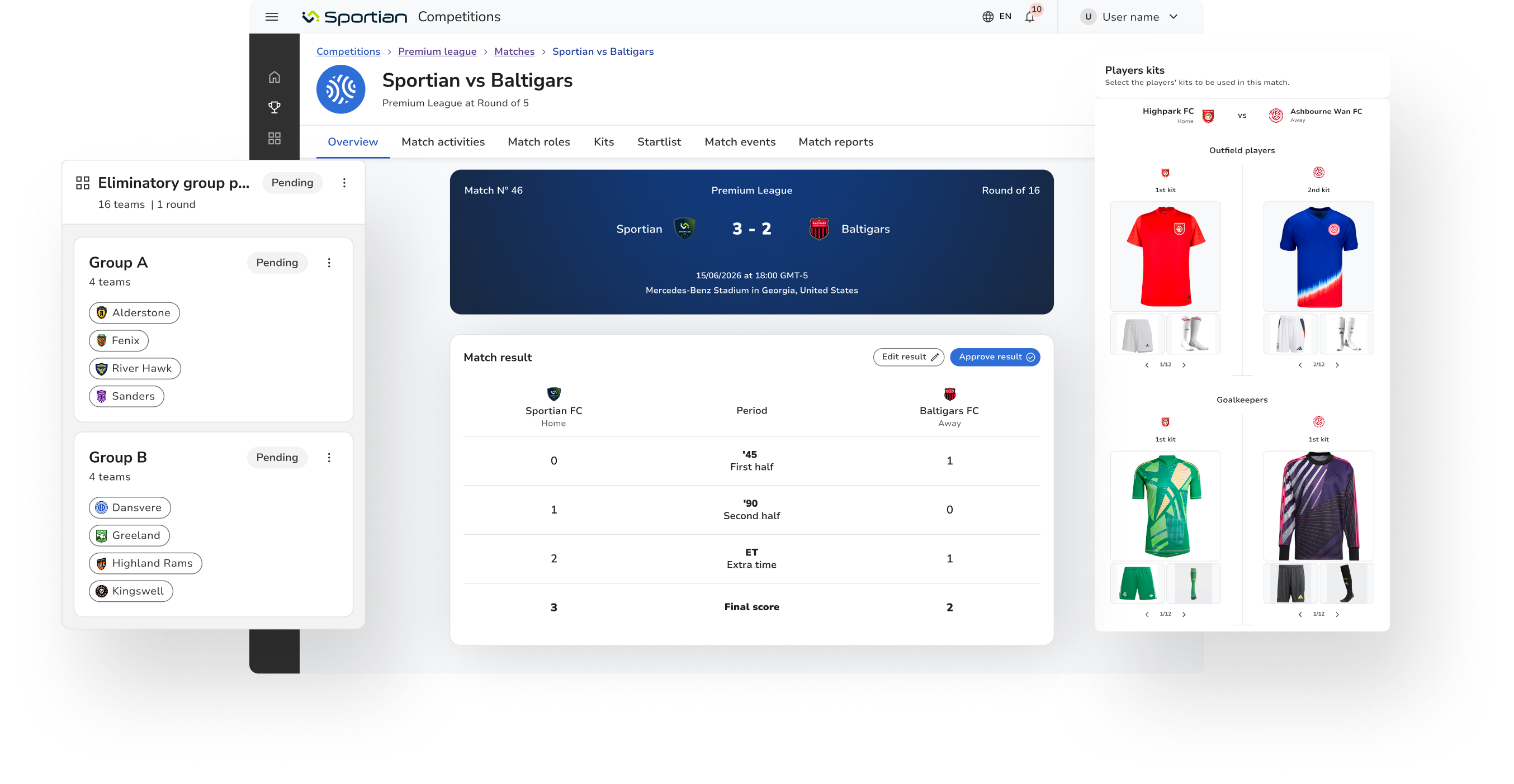
Data should not be trapped in a silo. Ensure the platform offers robust API access and supports standard export formats like CSV or PDF. You may need to push scoring data into your own CRM, email marketing tool, or internal analytics dashboard. Verify that the software can integrate with your existing authentication systems (SSO) to simplify access for enterprise judges. Flexible data handling ensures you retain control over your intellectual property and results.
Common questions about contest software
How do platforms ensure data security and judge anonymity?
Top platforms like Judgify and Award Force use encrypted databases to protect entry data. To maintain fairness, they offer "blind review" modes that hide applicant names from judges during scoring. This ensures evaluations are based solely on merit.
What features support judge training and consistency?
Scoring accuracy relies on clear rubrics. Platforms like Launchpad6 provide digital scorecards with defined criteria. Some systems include training portals where judges can practice scoring sample entries to align with the competition's standards before live judging begins.
How is scoring transparency handled?
Audit trails are essential for fair judging. Robust systems log every score change and judge action. This creates a verifiable record of the judging process, allowing organizers to resolve disputes and demonstrate that results were calculated correctly without bias.
No comments yet. Be the first to share your thoughts!