
Contest management platform budget
Contest management platforms rarely offer a one-size-fits-all price tag. The cost depends heavily on how many judges you need to train, how many entries you expect to process, and whether you need custom AI-driven certification workflows. Most platforms tier their pricing by the number of active contests or the volume of submissions.
When evaluating budget, look beyond the monthly subscription fee. Consider the hidden costs of manual judging coordination. A cheaper platform that requires hours of administrative overhead to assign judges and verify certifications may cost more in labor than a pricier, automated solution. Look for platforms that bundle judge training modules into the base price rather than charging per user.
If you are running a small-scale contest with fewer than 50 entries, a basic tier with limited judge seats might suffice. For larger competitions requiring rigorous judge certification and AI-assisted scoring, you will likely need an enterprise plan. Check if the platform offers a free trial or a demo so you can test the judge training interface before committing to a yearly contract.


As an Amazon Associate, we may earn from qualifying purchases.
Shortlist real options
Choosing a contest management platform with AI-driven judge training certification requires narrowing the field to tools that handle both entry processing and rigorous evaluation workflows. The following platforms are recognized for their ability to scale judging operations, manage complex entry types, and integrate automated training modules for evaluators.
Judgify
Judgify positions itself as an end-to-end automated award management system. It is particularly strong for organizations that need to streamline the entire lifecycle from contest planning to final award distribution. The platform offers intuitive judging management tools that simplify the process for evaluators, allowing for quick onboarding even if they have limited prior experience with digital judging systems. Its flexible architecture supports multiple contest types, making it a viable option for organizations running diverse competitions simultaneously.
Launchpad6
Launchpad6 focuses heavily on the intersection of contest management and user-generated content (UGC) activation. This platform is designed to help businesses not only capture entries but also leverage them for broader marketing goals. While its core strength lies in voting management and community engagement, it provides the necessary infrastructure for structured competitions. Organizations looking to combine rigorous judging protocols with high-volume public interaction often find Launchpad6’s interface well-suited for bridging these two needs.
Award Force
Award Force is an established player in the space, offering specialized software for contest organizers to manage entries, judging, and result selection online. It is known for its robust data handling capabilities and detailed reporting features, which are essential for maintaining transparency in competitive processes. The platform’s workflow tools allow administrators to set up customized judging criteria and track evaluator performance, ensuring that the AI-driven certification and training components are applied consistently across all submissions.
| Platform | Primary Focus | Judging Features | Best For |
|---|---|---|---|
| Judgify | End-to-end award management | Automated tools, flexible workflows | Organizations needing streamlined planning and evaluation |
| Launchpad6 | Contest and UGC activation | Voting and entry management | Brands combining contests with marketing campaigns |
| Award Force | Professional contest administration | Detailed criteria, reporting, and tracking | Large-scale competitions requiring transparency and audit trails |
Inspect the expensive parts
A contest management platform with AI-driven judge training certification is a significant investment. The cost isn’t just the software license; it’s the hidden expenses of migration, integration, and user adoption. If these elements fail, the entire competition collapses into administrative chaos.
Use this checklist to audit the most expensive failure points before signing a contract. These are the areas where technical debt and operational friction usually accumulate.

Don’t assume the AI training module works out of the box. Verify that the certification engine integrates directly with your existing judge profiles and scoring rubrics. If the system requires manual data entry to sync judge credentials, you will face massive delays during high-volume rounds. The AI must recognize and validate certifications automatically to save administrative hours.

Moving years of contest history, judge assignments, and scoring data is rarely a simple copy-paste job. Ask the vendor for a detailed migration plan and timeline. Poor data hygiene during migration leads to corrupted scoring records, which can invalidate entire competition results. Ensure they handle legacy formats and that you have a rollback strategy if the import fails.
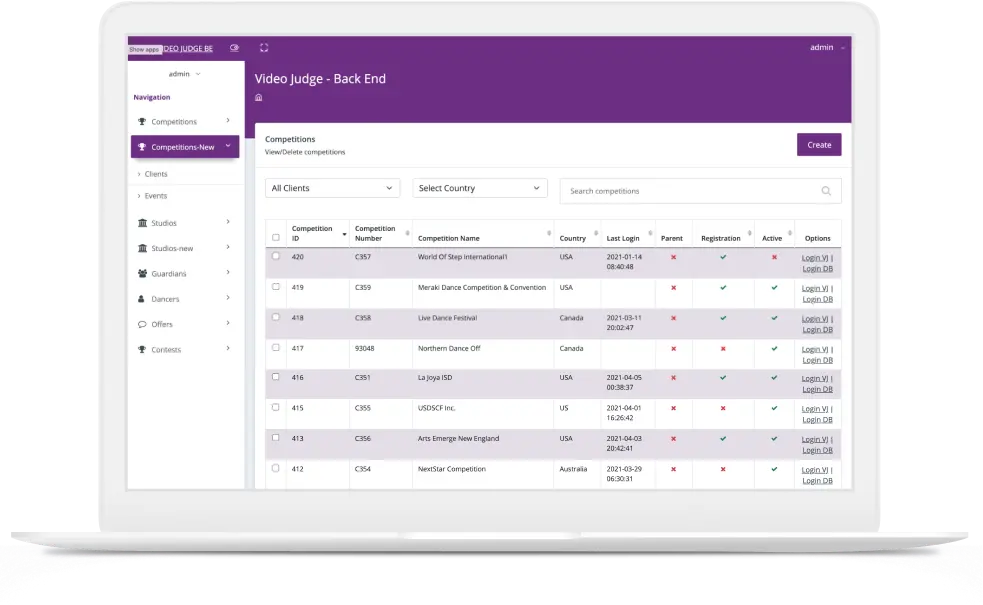
AI-driven scoring and real-time judge collaboration require significant server resources. Request a load test report showing how the platform performs with 500+ judges scoring simultaneously. If the interface lags or times out during peak judging, judges will abandon the task or submit incomplete scores. This directly impacts the quality of your contest outcomes.
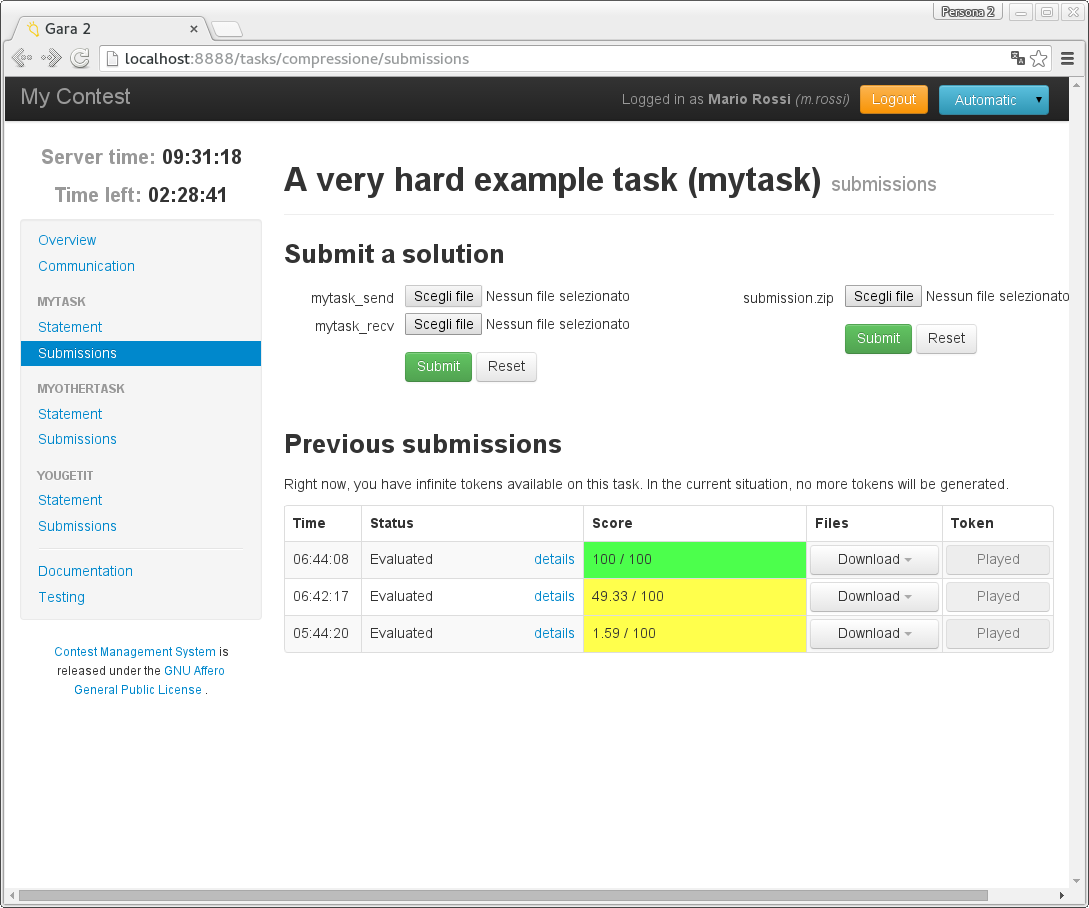
When a platform fails during a live contest, every minute of downtime costs reputation and revenue. Check the vendor’s Service Level Agreement (SLA) for response times during critical events. Standard business-hour support is insufficient for global competitions. Ensure they offer 24/7 emergency support with dedicated technical account managers who understand your specific workflow.

As an Amazon Associate, we may earn from qualifying purchases.
These checks protect your budget from hidden technical costs. A platform that looks impressive in a demo can fail under real-world pressure. Prioritize stability and integration over flashy features.
Plan for ownership costs
A low upfront price rarely reflects the true cost of running a contest management platform. When you add AI-driven judge training and certification to the mix, hidden fees in data storage, API usage, and user support can quickly turn a budget purchase into a liability. You need to look past the initial license fee and calculate the total cost of ownership (TCO) over a three-year period.
Maintenance surprises often come from infrastructure scaling. As your contest grows, so does the data footprint. AI training modules require significant compute power, and if your platform charges per active user or per processed submission, costs can spiral. Check if the vendor caps storage or charges extra for advanced analytics dashboards. These add-ons are rarely included in the base plan but are essential for managing large-scale judging panels.
Support and customization also carry hidden weight. If the platform lacks robust self-service tools, you will rely on paid support tickets or professional services for every minor tweak. This is where a cheap buy stops being cheap. You are paying for time and friction. Always ask about the cost of onboarding new judges and the fees for integrating with external payment or registration systems.

As an Amazon Associate, we may earn from qualifying purchases.
Before signing, request a detailed pricing breakdown that includes all potential add-ons. Look for vendors who offer transparent tiered pricing rather than vague "contact us" quotes. This clarity allows you to compare platforms on a like-for-like basis and avoid budget overruns later.
No comments yet. Be the first to share your thoughts!