
Contest management platform budget
The cost of a contest management platform rarely starts with a simple monthly fee. It begins with the complexity of your scoring model. A local 5K race needs a different engine than a national art competition. The budget you allocate should reflect how many layers of judgment you need to stack on top of raw data.
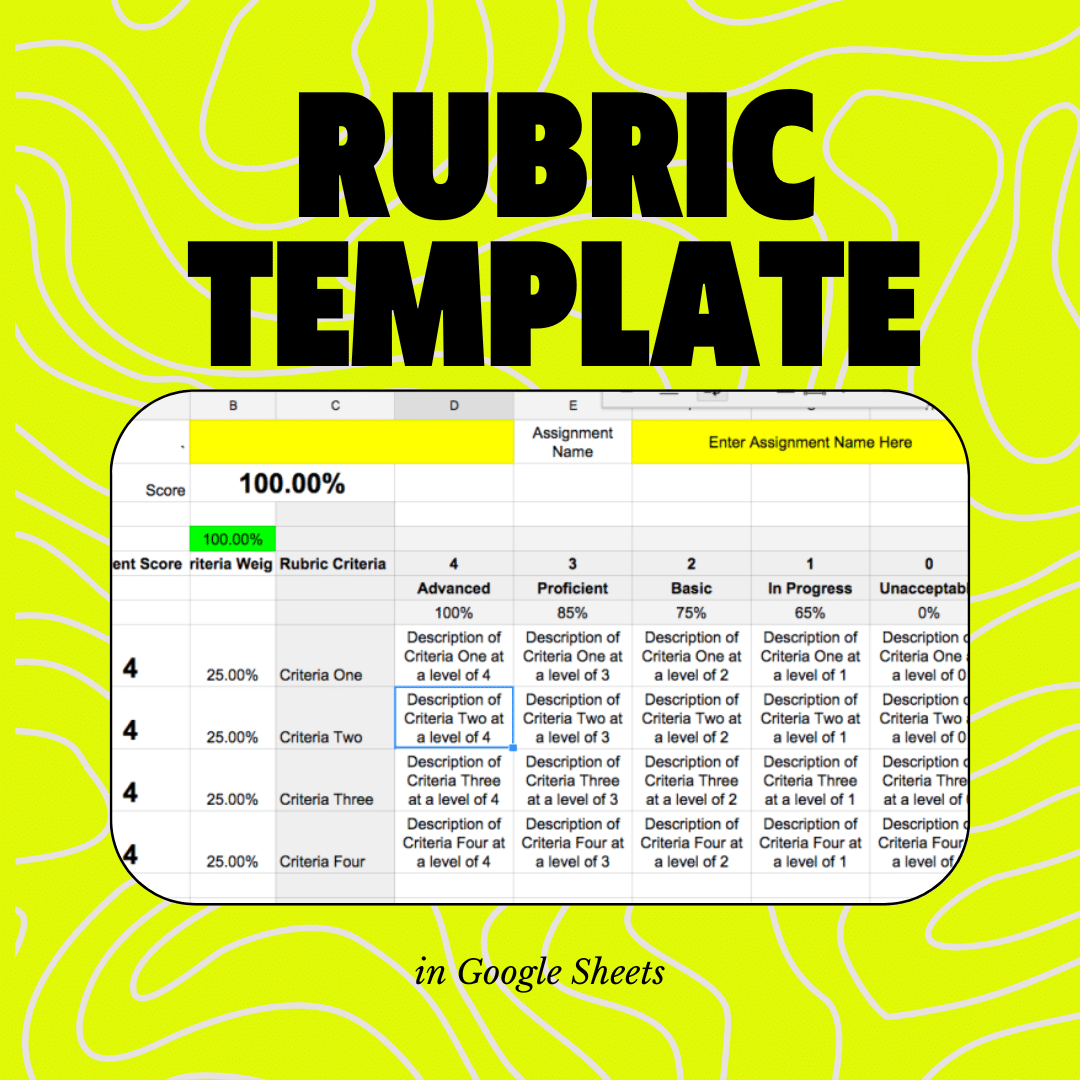
Start by defining your judging hierarchy. If you only need a single round of scoring, you can often find entry-level tools or even spreadsheet-based workflows that cost little to nothing. These are fine for small-scale events where one person can review every entry. But as you add regional qualifiers, blind reviews, or weighted rubrics, the software requirements spike. This is where the real budget decisions happen.
Many platforms charge per event or per judge seat. Others offer unlimited features but cap the number of entries. You need to map your expected volume against these limits. A platform that looks cheap for a 100-entry contest can become expensive if you scale to 1,000. Always calculate the cost per entry at your projected peak volume, not just your baseline.
Don't overlook the hidden costs of integration. If your platform doesn't talk to your payment processor or registration form, you will spend hours manually transferring data. That labor cost adds up fast. Look for platforms that offer native integrations with tools you already use. The extra monthly fee for seamless data flow is usually worth the time saved.
Consider the trade-off between customization and support. Highly customizable platforms often require more technical setup. If you lack an in-house developer, you may need to pay for onboarding or premium support. A simpler, less flexible platform might have a higher upfront cost but lower ongoing maintenance. Choose the path that matches your team's technical comfort level.
Finally, think about the long-term value of your data. A robust platform stores all your scoring data in a structured format. This makes it easier to analyze trends, generate reports, and plan future contests. A cheap, basic tool might save you money today but leave you with unusable data tomorrow. Factor in the cost of data portability and export options when comparing platforms.

As an Amazon Associate, we may earn from qualifying purchases.
Shortlist real options
Finding a contest management platform that actually handles AI-enhanced scoring requires looking past marketing fluff. The market has consolidated around a few reliable tools that specialize in the workflow: intake, judging, and result calculation. These platforms don’t just collect entries; they structure them for automated analysis.
Below is a direct comparison of the strongest contenders currently available. Each offers distinct advantages depending on whether you prioritize strict judging workflows, user-generated content capture, or fully automated award management.
| Platform | Core Focus | AI/Scoring Feature | Best For |
|---|---|---|---|
| Judgify | Automated award management | Flexible judging tools with automated workflows | Organizers needing end-to-end automation |
| Award Force | Contest entry & selection | Structured data for manual or semi-automated scoring | Complex multi-stage judging processes |
| Launchpad6 | UGC & voting activation | Data capture for downstream AI analysis | Brands activating user-generated content |
Judgify stands out for its emphasis on automation. It is designed to streamline the entire lifecycle from application to award, making it a strong candidate for contests where scoring logic needs to be applied consistently at scale. Its interface is built to reduce manual entry errors, which is critical when AI models are ingesting judging data.
Award Force is a veteran in the space, known for its robust handling of complex entry forms and multi-tiered judging panels. While its native AI features are less aggressive than some newer entrants, its structured data output is ideal if you plan to integrate with external AI scoring engines for nuanced evaluation.
Launchpad6 takes a different approach, focusing heavily on capturing and activating user-generated content. It is less of a traditional judging panel tool and more of a engagement platform. If your "scoring" involves public voting or sentiment analysis of UGC, Launchpad6 provides the raw data capture layer that feeds into those AI models effectively.
Inspect the expensive parts
Building a contest platform is cheap. Running one with thousands of entries is where budgets break. Before you commit to a vendor, audit these five failure points. They determine whether your platform scales or collapses under load.

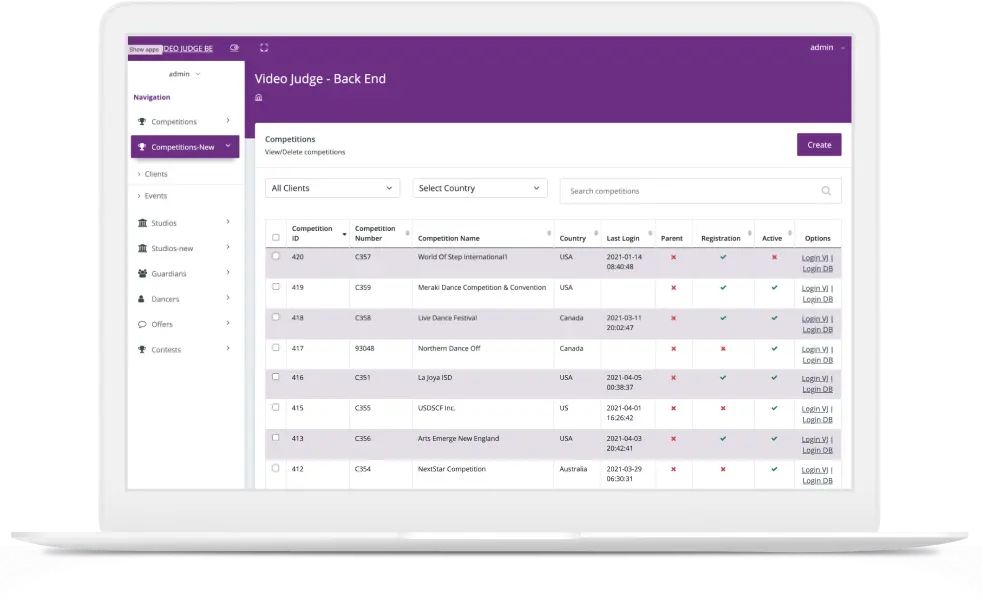
Most platforms cap the number of judges or rounds per contest. If your event requires multi-stage scoring with external reviewers, ensure the vendor supports unlimited judges. Award Force and Judgify both offer robust judging tools, but verify if those features are gated behind higher-tier plans.

What happens when 5,000 entries hit your form in ten minutes? Test the platform’s submission queue and error handling. A slow or crashing entry form loses participants and data. Look for auto-scaling infrastructure and clear rate-limiting policies.
You need to own your data. Ensure the platform allows full export of entries, scores, and judge notes in CSV or JSON format. Without this, you are locked in. If the vendor goes down or raises prices, you must be able to migrate without losing years of contest history.
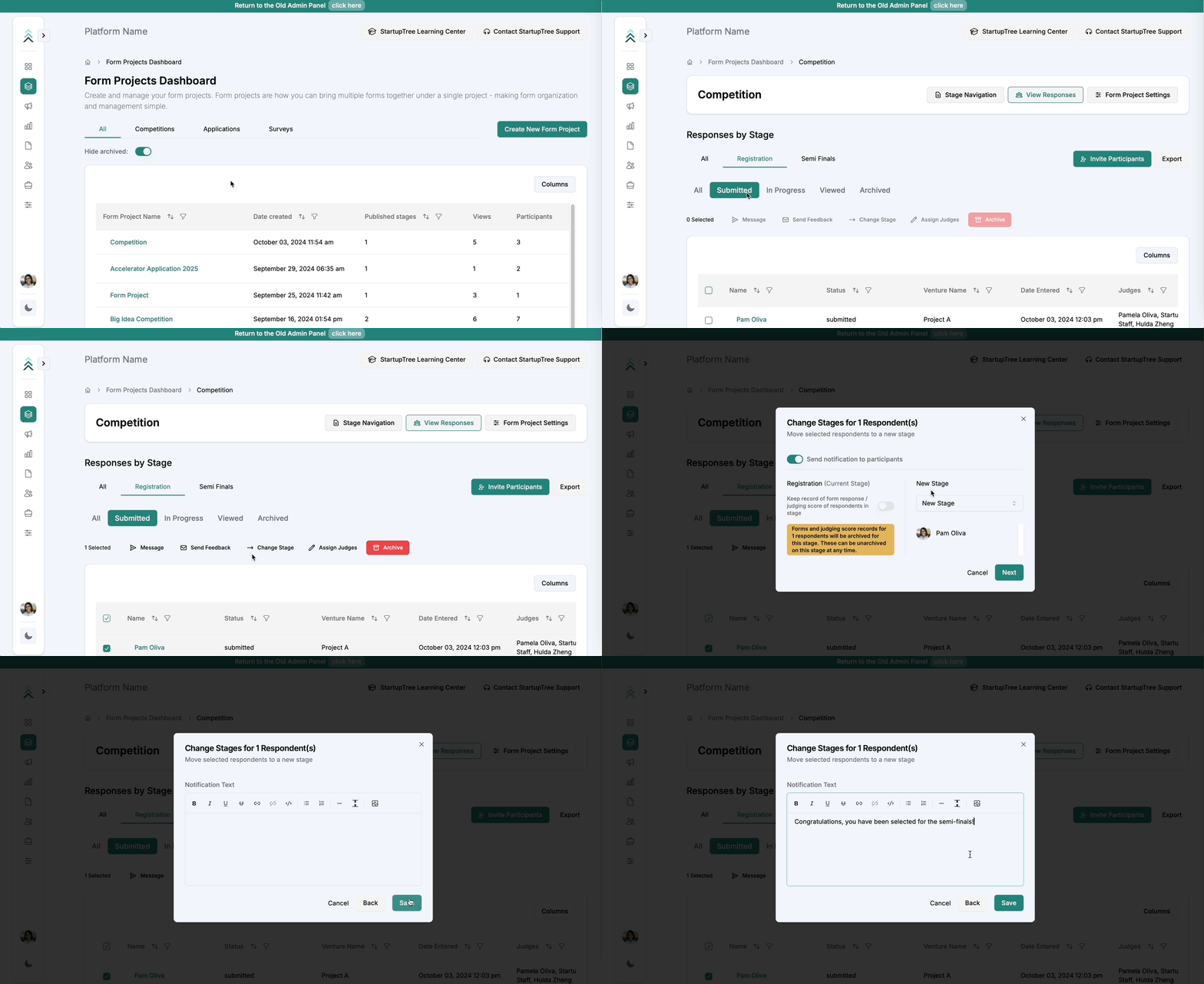
Contests often collect personal data. Verify that the platform offers SSL encryption, GDPR compliance tools, and secure judge authentication. If you are handling sensitive information, check for audit logs and role-based access controls to prevent unauthorized score tampering.
When the judging portal goes dark at 2 AM, you need help fast. Ask the vendor for their average response time during live events. Generic support tickets won’t cut it. Look for dedicated event support channels or guaranteed SLAs for premium tiers.
Plan for ownership costs
2026 guide: Choosing the Best Contest Management Platform for AI-Enhanced Scoring works best when the purchase path is explicit. Verify the source, compare the offer against real alternatives, check the total cost, and confirm what happens after payment before you decide. After each comparison, write down the one risk that would change your mind. If the seller, condition, support, warranty, shipping, or upkeep still feels uncertain, resolve that question before moving to checkout.
The simplest way to use this section is to verify the seller, compare the total cost, and resolve the biggest risk before you commit.
Contest management platform: what to check next
Choosing the right contest management platform for AI-enhanced scoring involves balancing automation with human oversight. Below are answers to the most common practical objections organizers face when evaluating software like Judgify, Award Force, or Launchpad6.
How does AI scoring integrate with human judges?
Most platforms use AI to pre-score or rank entries based on predefined criteria, but final selection remains with human judges. This hybrid approach ensures that algorithmic bias doesn’t override nuanced human judgment. Look for tools that allow judges to override AI scores with explanations, maintaining transparency and fairness in the final decision.
Can the platform handle multiple contest types simultaneously?
Yes, modern platforms like Judgify and Award Force support concurrent contests with different entry forms, judging criteria, and workflows. This is essential for organizations running diverse competitions, such as photography contests alongside essay submissions, without needing separate software instances.
What data security measures protect entry submissions?
Reputable platforms encrypt data in transit and at rest, often complying with GDPR and CCPA. They also provide role-based access controls, ensuring only authorized judges and admins can view sensitive entries. Always verify the platform’s security certifications and data retention policies before signing up.
Is there a free trial or demo available?
Many providers, including Launchpad6 and Judgify, offer free demos or limited-time trials. These allow you to test the user interface, judge portal, and AI scoring features with sample data. Use this period to evaluate ease of use and integration capabilities before committing to a paid plan.
No comments yet. Be the first to share your thoughts!