
Contest management platform budget
Choosing a contest management platform is rarely about finding the cheapest option; it is about matching the software tier to your actual judging workload. A free or low-cost entry usually covers basic data collection but lacks the automated scoring logic required for complex competitions. As you scale from local club contests to national awards, your budget needs to reflect the complexity of the judging rubric, not just the number of entries.
Platform tiers and choices that change the plan
Entry-level tools often charge per entry or offer a flat annual fee. These are sufficient for simple yes/no voting or basic surveys. However, they rarely support weighted scoring, blind judging, or multi-rater consistency checks. If your competition requires nuanced evaluation, these platforms will force you to export data to spreadsheets, creating manual bottlenecks.
Mid-tier professional platforms like Judgify or Award Force typically charge based on features rather than entry volume. They offer robust judging dashboards, automated score aggregation, and conflict-of-interest management. This is the sweet spot for most serious organizers who need to ensure fairness without building custom software. The cost is justified by the reduction in administrative hours and the accuracy of the final results.
Enterprise solutions are built for massive scale, offering API integrations, custom branding, and dedicated support. These are overkill for most competitions but necessary for organizations running multiple concurrent events with strict data sovereignty requirements. The budget here is less about the software license and more about the implementation and training resources required.
Hidden costs to watch
Beyond the subscription fee, consider the cost of integration. If your contest platform does not natively sync with your payment gateway or email marketing tool, you will need a developer or a middleware service. Also, check for limits on the number of judges or evaluators. Some platforms charge extra per additional judge account, which can spike costs for large panels. Always request a demo that mirrors your specific judging workflow to avoid paying for unused features.
Shortlist real options
Choosing the right contest management platform depends on whether you need simple entry collection or a full judging workflow. The following tools are among the most reliable options for organizing competitions, from small local contests to large-scale industry awards.
| Platform | Best For | Key Strength |
|---|---|---|
| Judgify | Award & Abstract Management | Automated judging workflows |
| Award Force | Contest Entry & Selection | Award-winning entry management |
| Launchpad6 | UGC & Voting | User-generated content activation |
Judgify serves as an end-to-end automated award management system. It is particularly strong for abstract and award competitions where judging panels need structured workflows to review submissions efficiently. The platform streamlines the planning phase, offering tools that make managing judges and scoring criteria straightforward.
Award Force is widely recognized for its robust contest entry management. It excels at handling the selection process, allowing organizers to collect entries, manage judging panels, and select results entirely online. Its reputation rests on its ability to handle complex selection criteria without requiring custom coding.
Launchpad6 focuses on user engagement and user-generated content (UGC). If your contest relies heavily on public voting or social sharing to drive participation, this platform helps activate your audience. It is designed to capture content and turn entrants into advocates for your brand.
When evaluating these options, look for how each handles data privacy and entry verification. The best platform for your specific contest will be the one that aligns with your judging volume and entry type.
Inspect the expensive parts
When evaluating contest management platforms, the most costly failures usually stem from overlooked technical debt or rigid pricing structures. Before committing to a vendor, run through this inspection checklist to identify hidden friction points that can derail your event.

Most platforms default to simple average scoring, but complex competitions require weighted categories, elimination rounds, or specific tie-breaking algorithms. Verify that the system allows you to configure these rules without needing custom code. A mismatch here often forces organizers to use external spreadsheets, creating data silos and increasing the risk of human error during final tallying.
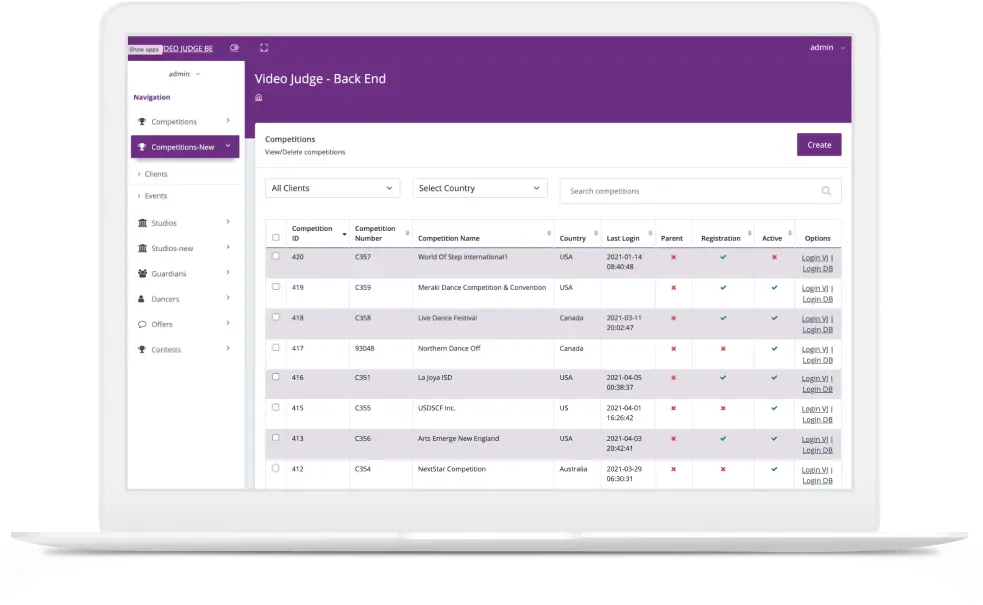
Fairness is the currency of any competition. Ensure the platform can automatically assign judges to entries while preventing conflicts of interest, such as a judge scoring their own work or a relative’s submission. Systems like Judgify and Award Force offer these features, but you must confirm they are active by default and not just optional add-ons. If anonymity breaks down, participants will question the integrity of the results.
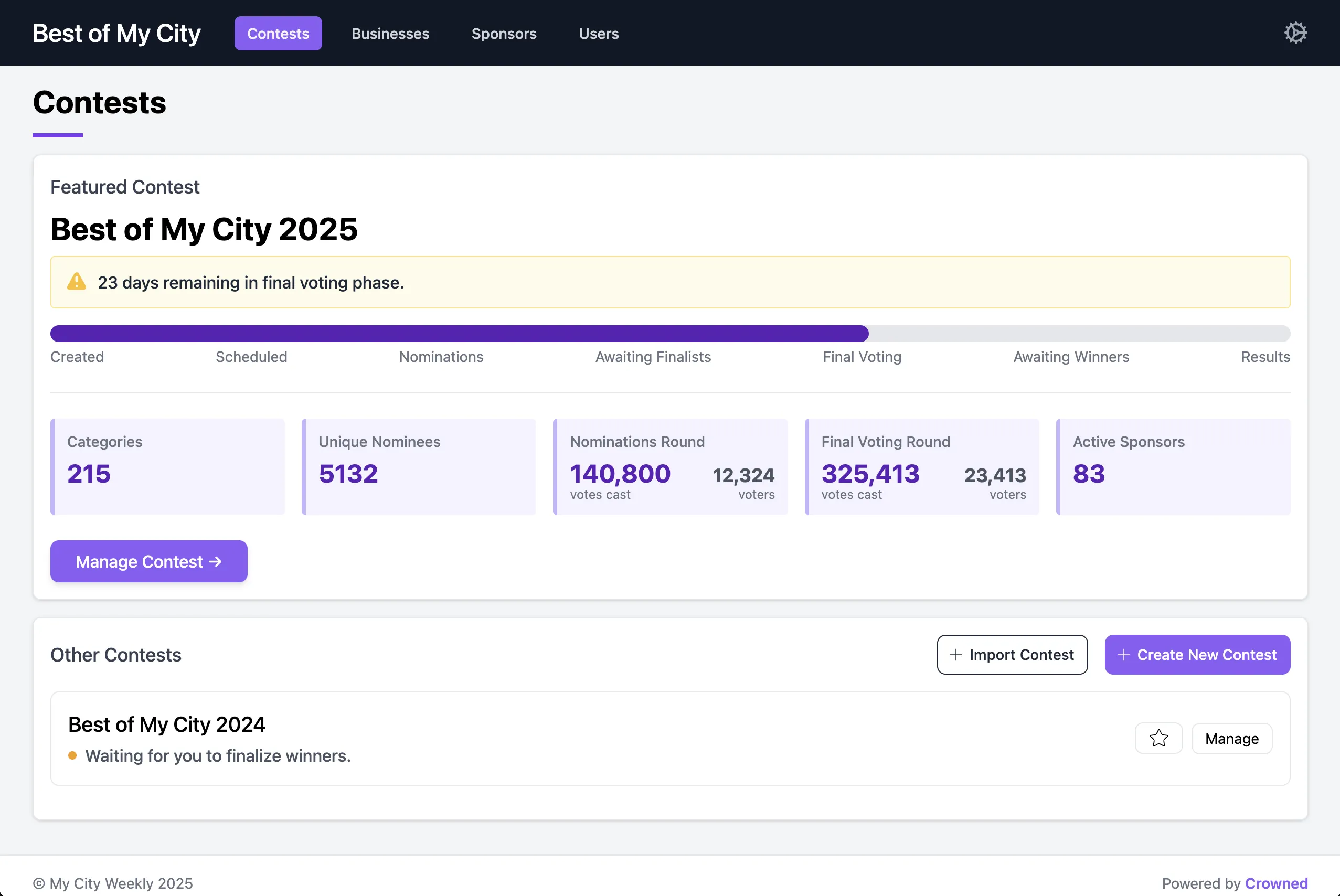
What happens when 500 people upload 10MB video files simultaneously? Check the platform’s storage caps, file type restrictions, and bandwidth throttling policies. A platform that crashes or rejects entries during peak traffic is useless. Look for clear documentation on maximum entry sizes and whether the vendor uses a robust CDN to handle spikes in traffic without slowing down the user experience.
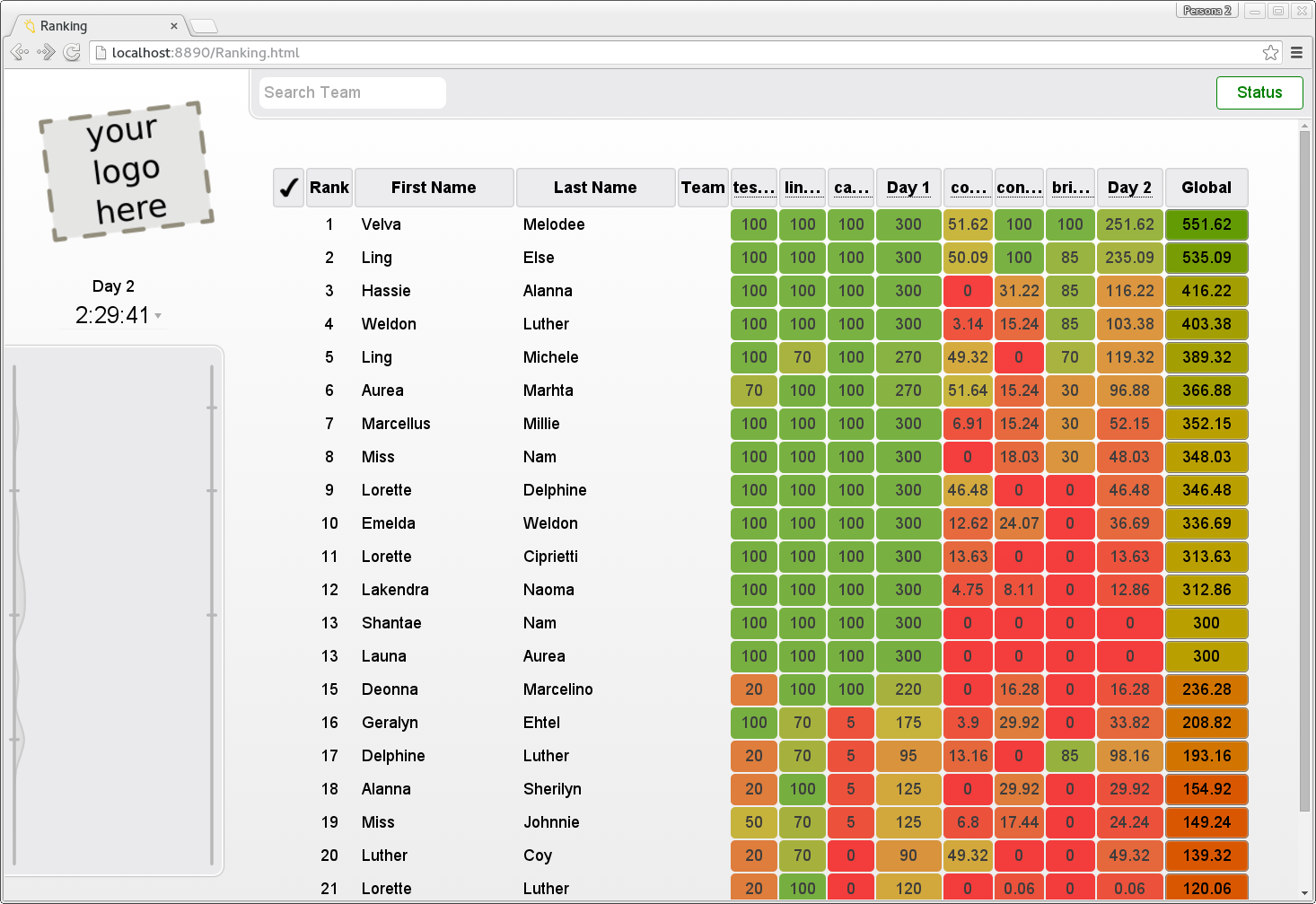
Many contest platforms advertise low monthly fees but charge extra for the number of judges, entries, or payment processing. Calculate the total cost based on your projected scale. If you need to onboard 20 judges and accept 1,000 entries, ensure that tier is included in the base price. Unexpected overage fees can turn a profitable contest into a financial loss.
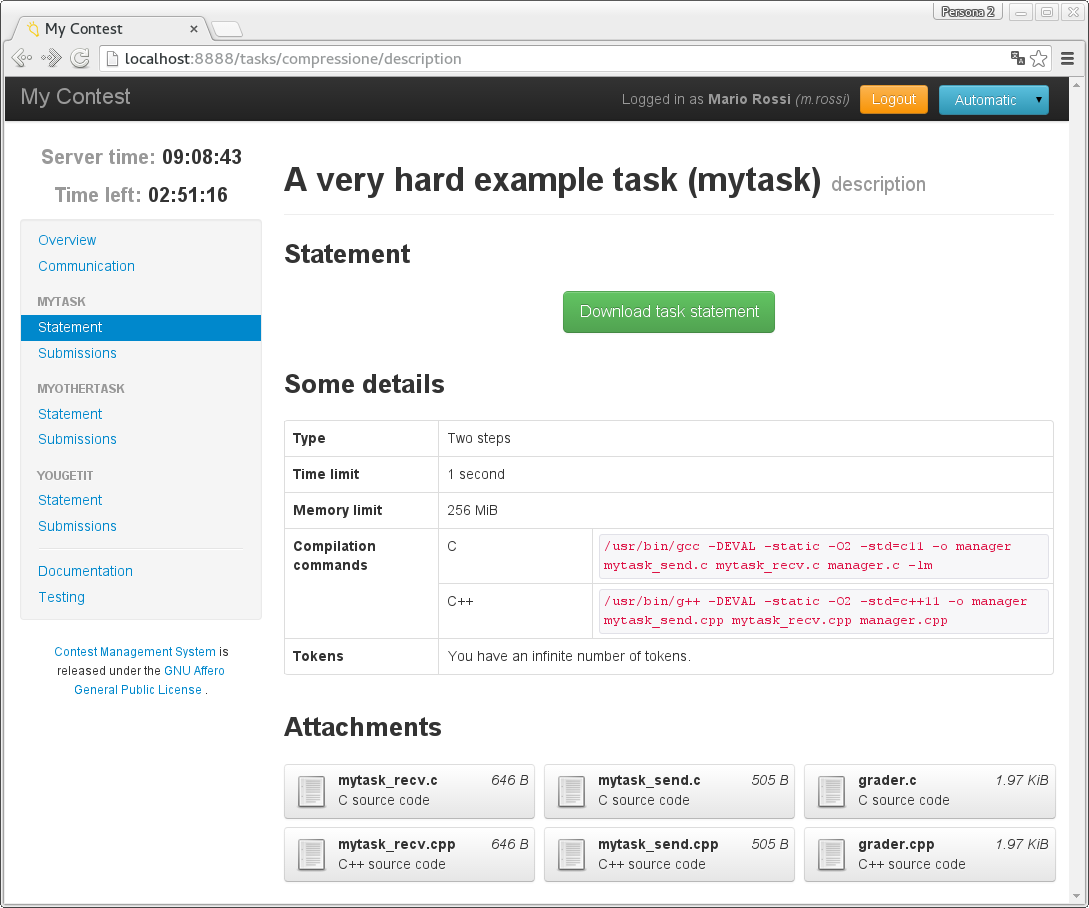
Your participants will interact with the platform more than your judges. If the entry form is clunky on mobile devices, you will lose submissions. Spend time in the preview mode as a participant. Look for clear progress indicators, easy file uploads, and instant confirmation emails. A poor user experience directly correlates with lower entry rates and higher support ticket volumes.
Ownership costs: when cheap stops being cheap
A low upfront license fee often masks hidden expenses that grow over time. Contest management platforms are not one-time purchases; they are operational tools that require ongoing maintenance, support, and updates. Ignoring these recurring costs can turn a budget-friendly choice into a financial burden within a year.
Maintenance and update surprises
Many platforms charge extra for major version upgrades or critical security patches. If the vendor treats updates as premium services, your total cost of ownership (TCO) rises sharply. Check the contract for "maintenance fees" or "support tiers"—basic support is often insufficient for competition season, when you need rapid response times. A platform that looks cheap today may cost significantly more tomorrow if you have to pay for every minor fix.
When a cheap buy stops being cheap
Consider the cost of integration and data migration. If the platform lacks APIs or requires custom coding to connect with your existing CRM or payment gateways, you will likely hire developers. This engineering time often exceeds the savings from the lower license fee. Additionally, evaluate the cost of training. Complex interfaces require more staff hours to master, which translates to lost productivity. A slightly more expensive platform with an intuitive UI can save thousands in labor costs over three years.
Concrete checks before signing
Before committing, ask vendors for a three-year TCO projection. Include maintenance fees, support costs, and estimated integration hours. Compare this against the platform's actual feature set. If the "cheap" option lacks essential features like automated judging workflows or real-time score reporting, you will eventually pay for workarounds or switch vendors—both of which are costly disruptions.


As an Amazon Associate, we may earn from qualifying purchases.
No comments yet. Be the first to share your thoughts!