

Contest management platform budget
2026 guide: Choosing the Best Contest Management Platform & Judging Software for Fair Competition Scoring works best when the purchase path is explicit. Verify the source, compare the offer against real alternatives, check the total cost, and confirm what happens after payment before you decide. After each comparison, write down the one risk that would change your mind. If the seller, condition, support, warranty, shipping, or upkeep still feels uncertain, resolve that question before moving to checkout.
The simplest way to use this section is to verify the seller, compare the total cost, and resolve the biggest risk before you commit.
Shortlist real options
Choosing the right contest management platform depends on whether you prioritize automated judging workflows, user-friendly entry forms, or robust voting mechanics. Below are three established platforms that handle the core requirements of fair competition scoring and entry collection.
Judgify
Judgify positions itself as an end-to-end automated award management system. It is particularly strong for organizers who need to handle multiple contest types simultaneously, from abstract submissions to standard applications. The platform streamlines the judging process by allowing you to set up online judging panels and assign scores automatically. It works well for organizations that want a single dashboard to manage entries, judges, and final selections without switching tools.
Award Force
Award Force is an award-winning software designed specifically for contest organizers. It focuses on the entire lifecycle of a competition, from entry collection to the final selection of results. The platform is known for its reliability and ease of use, making it a solid choice for nonprofits and businesses that need to manage high volumes of entries. It offers dedicated tools for judging management, ensuring that scoring is organized and results are accurate.
Launchpad6
Launchpad6 helps businesses capture and activate user-generated content (UGC) through online contests and awards. It is a strong option if your primary goal is audience engagement and content collection rather than just internal judging. The platform allows you to set up voting mechanisms and manage entries in a way that encourages participation. It is ideal for competitions where public voting or social sharing plays a significant role in the scoring or promotion process.
| Platform | Best For | Core Feature |
|---|---|---|
| Judgify | Multi-type contests | Automated judging workflows |
| Award Force | High-volume entries | End-to-end selection tools |
| Launchpad6 | UGC & engagement | Voting and content activation |

As an Amazon Associate, we may earn from qualifying purchases.
Inspect the expensive parts
2026 guide: Choosing the Best Contest Management Platform & Judging Software for Fair Competition Scoring works best as a sequence, not a scramble through settings. Do the minimum first: confirm compatibility, connect the core hardware, update only when needed, and test the result before adding optional features. That order keeps the task understandable and makes failures easier to isolate. After each step, pause long enough for the interface to finish syncing. Many setup problems are timing problems disguised as configuration problems. If the same step fails twice, record the exact error, restart the smallest affected piece, and retry before moving deeper.


Plan for ownership costs
The sticker price of contest management software is rarely the final number on your budget. You are often paying for the right to use the tool, but the actual cost of running it over time depends on how much maintenance, support, and scaling it requires. A platform that looks cheap for a single annual contest can become expensive if it lacks automation or charges heavily for additional users and data storage.
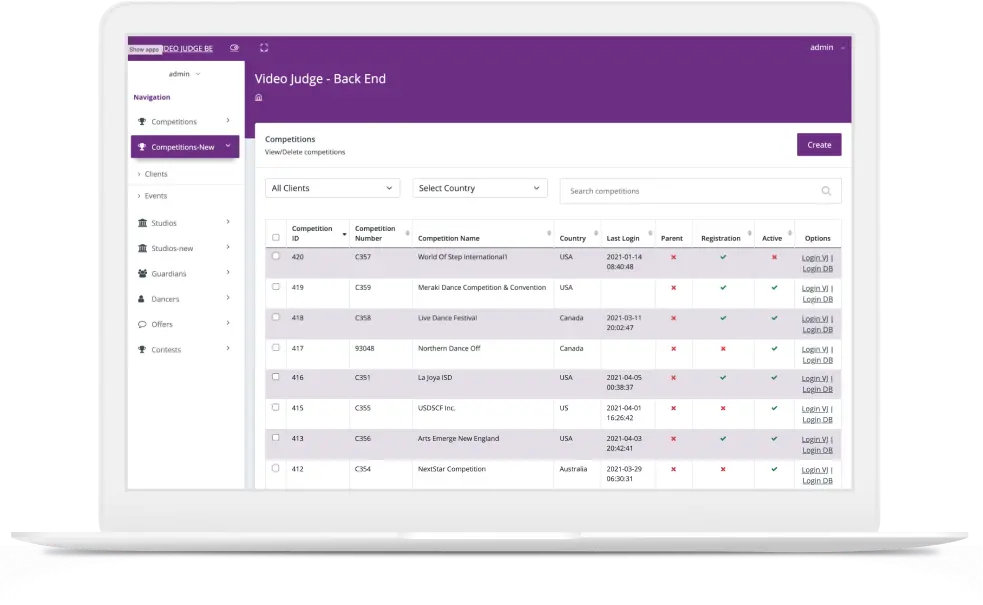
Maintenance surprises usually come from two places: integration work and user management. If the software does not integrate with your existing CRM or email marketing tools, you may need to hire a developer to build custom connectors or manually transfer data. Similarly, if the platform does not handle judge onboarding automatically, your team will spend hours sending login credentials and resetting passwords. These hidden labor costs add up quickly, especially for large-scale competitions.
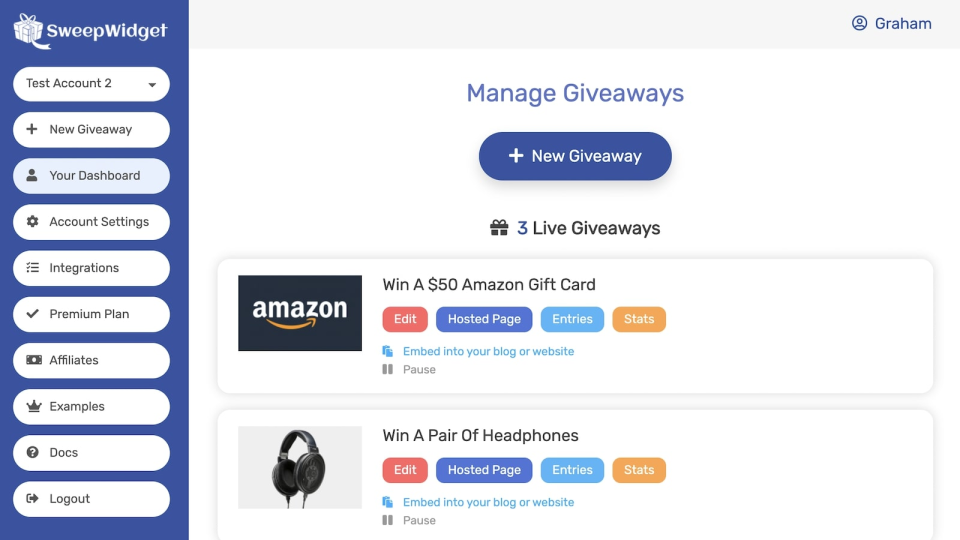
Consider the total cost of ownership over three years, not just the first year. Some platforms offer significant discounts for multi-year commitments, while others have steep renewal hikes. Look for platforms that include essential features like automated scoring, judge portals, and basic reporting in the base price. If you have to pay extra for every judge or every entry form, the costs can spiral.

As an Amazon Associate, we may earn from qualifying purchases.
When evaluating options, ask the vendor for a clear breakdown of all potential fees. This includes setup fees, training costs, and charges for exceeding user or entry limits. A platform with a higher upfront cost but lower marginal costs for additional users may be more economical for long-running competitions. Always verify that the quoted price includes the support level you need, such as dedicated account management or priority technical assistance.
Contest management platform: what to check next
Choosing a contest management platform involves balancing automation with the human judgment that keeps competitions fair. Most modern tools like Judgify and Award Force handle entry collection and scoring workflows in the cloud, allowing you to manage multiple contest types without manual data entry. The right choice depends on whether you prioritize strict judging rubrics or broad user participation.
Here are common questions organizers face when selecting software.
No comments yet. Be the first to share your thoughts!