
Contest management platform budget
The cost of running a contest depends heavily on your audience size and judging complexity. Small giveaways with simple entry forms fit comfortably into free tiers or low-cost monthly subscriptions. These tools handle social media entries and basic random selection without requiring technical setup.
For professional award programs or large-scale contests, you need robust scoring systems and judge portals. Platforms like Judgify and Award Force charge based on the number of entries or judges. Budget roughly $100 to $500 per event for mid-sized competitions that require custom scoring rubrics and detailed reporting.
Always check for hidden fees. Some platforms charge extra for email notifications, custom domains, or export features. If you plan to run multiple contests per year, look for annual plans that offer significant discounts compared to month-to-month billing.

As an Amazon Associate, we may earn from qualifying purchases.
Shortlist real options
Choosing the right contest management platform requires matching your specific judging workflow with the right software. While general marketing tools like Gleam or Rafflecopter handle entry collection well, they often lack the robust scoring engines needed for serious competitions. The platforms below are built specifically for organizing contests, managing judges, and calculating results with precision.
Judgify stands out as a dedicated abstract and award management system. It is designed to handle diverse nomination types and complex judging panels, making it a strong choice for formal awards. Award Force offers a similar enterprise-grade experience, focusing on the full lifecycle from entry to selection. For brands looking to drive engagement through user participation, Launchpad6 integrates contest management with user-generated content activation.
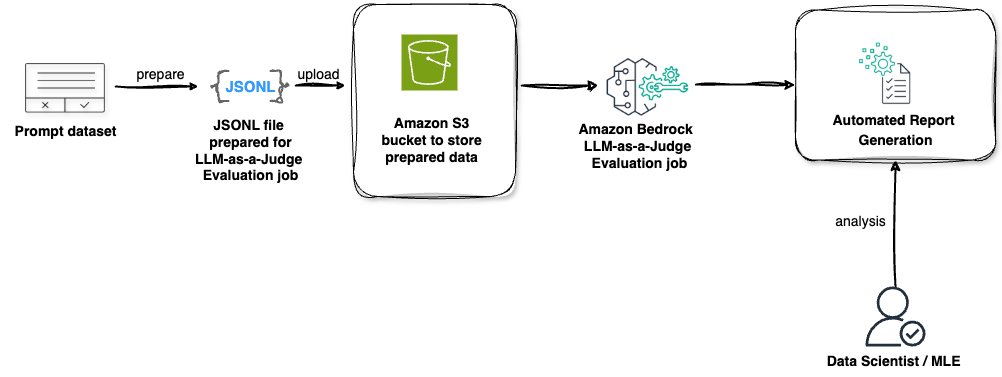
The table below compares these three contenders based on their core capabilities. Use this to quickly identify which platform aligns with your judging complexity and audience size.
| Platform | Best For | Scoring Engine | Pricing Model |
|---|---|---|---|
| Judgify | Formal awards & abstract competitions | Advanced multi-judge rubrics | Subscription-based |
| Award Force | Large-scale grants & awards | Customizable scoring workflows | Subscription-based |
| Launchpad6 | Brand engagement & UGC | Vote-based & hybrid | Per-contest or subscription |
Inspect the expensive parts
Before committing to a contest management platform, you need to verify how it handles the high-risk moments that typically break a judging process. Most platforms look polished during the intake phase but struggle under the weight of actual scoring logic. Treat your selection process like a technical audit. You are looking for stability, not just features.
We’ve broken this down into a practical inspection checklist. If a platform fails any of these checks, it will likely cause delays or disputes later on.

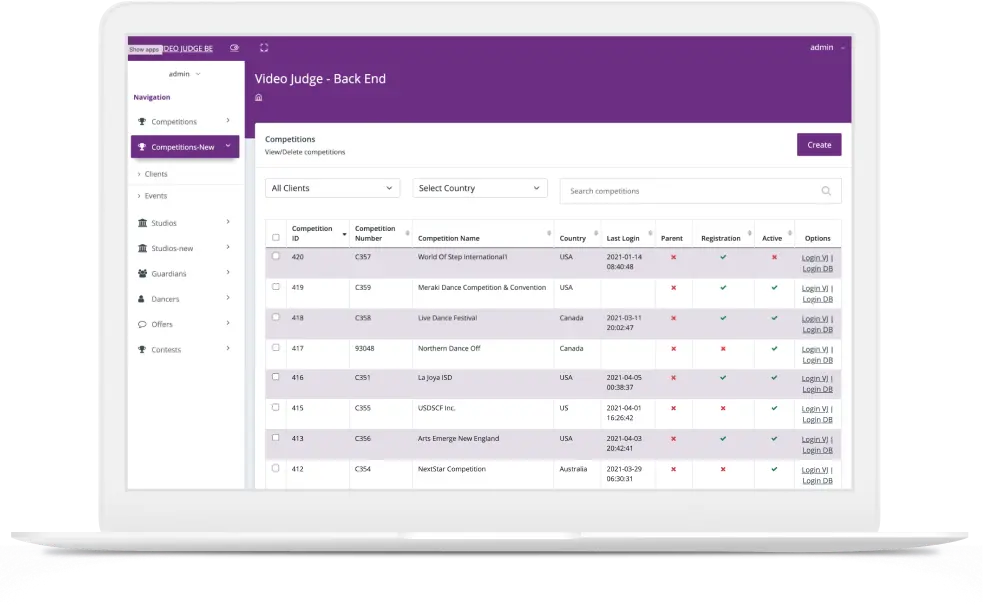
Don’t assume all platforms support your specific scoring model. Some only allow simple 1-10 scales, while others need complex rubrics, weighted categories, or blind judging protocols. Test the admin interface to see if you can build a scoring sheet that matches your rules without needing custom code or workarounds. If the UI feels clunky here, your judges will hate it.
Fraudulent or accidental duplicate entries are the fastest way to ruin a contest’s integrity. Inspect how the system identifies and flags them. Does it use email matching, IP tracking, or manual review queues? A robust system should automatically group potential duplicates for a quick human decision rather than letting them clutter the judging pool.
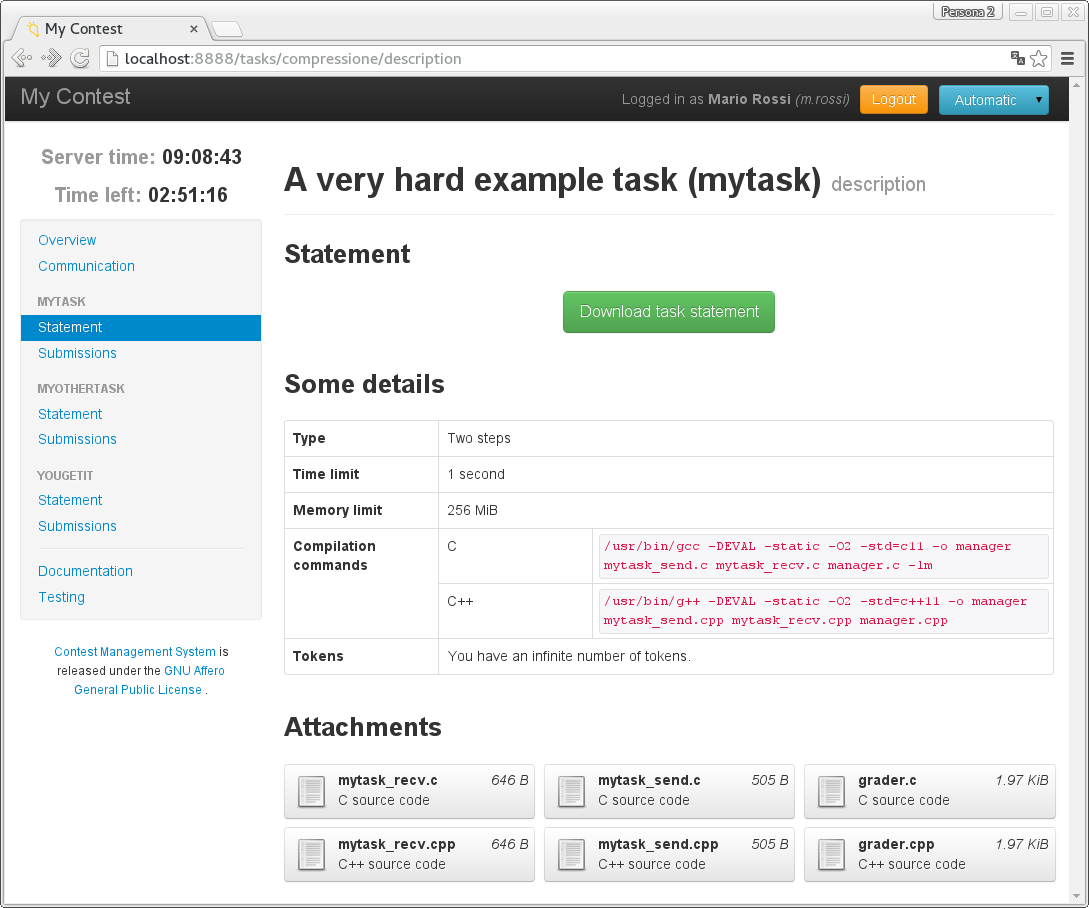
Ensure you can control who sees what. In many competitions, judges should only see anonymized submissions, or perhaps only specific categories. Verify that you can set granular permissions so that a judge for the "Photography" category cannot accidentally see or score "Video" entries. This separation is critical for fairness.
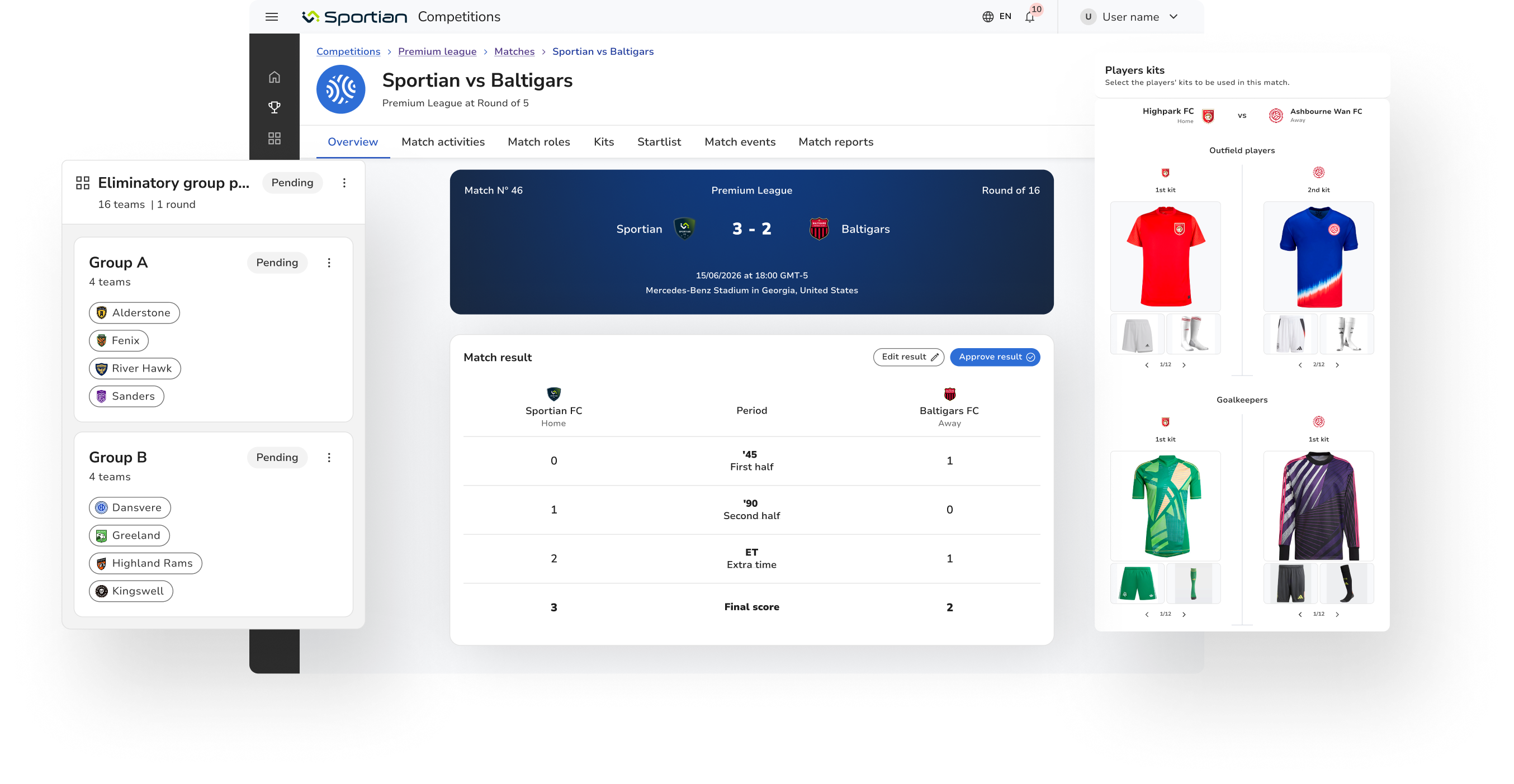
The contest isn’t over when the judging stops. You need to export raw data, final rankings, and judging logs for auditing purposes. Check if the platform exports to standard formats like CSV or Excel. If you have to pay extra for advanced reporting or if the data is locked in a proprietary format, factor that into your long-term costs.
Plan for ownership costs
A contest management platform is rarely a one-time purchase. The initial license fee covers the software, but the ongoing costs of maintenance, support, and scaling often exceed the budget. When evaluating options like Judgify or Award Force, look beyond the sticker price to understand the total cost of ownership (TCO). A cheap entry point can become expensive if hidden fees for additional judges, storage, or API access accumulate over time.
Maintenance surprises are common in contest software. Consider the time and money required to update the system when rules change or when you need to integrate with new email marketing tools. Does the vendor charge extra for priority support during high-traffic judging periods? Are there fees for exceeding submission limits? These operational costs can quickly erode the savings of a lower-tier plan.
A cheap buy stops being cheap when it fails to scale or requires manual workarounds. If you have to export data and re-enter it into another system, you are paying for that inefficiency in staff hours. Choose a platform that handles growth seamlessly, so your focus remains on fair judging rather than troubleshooting technical debt or managing unexpected invoices.
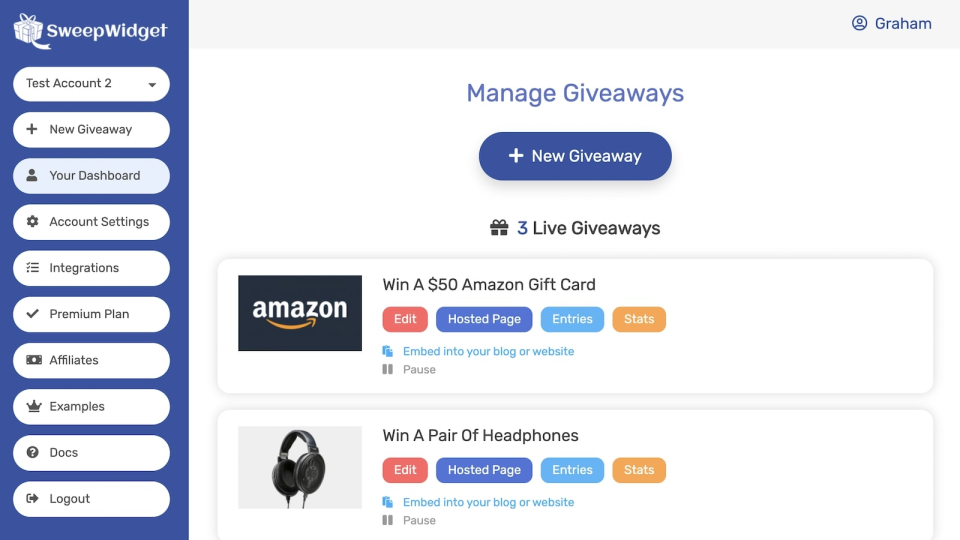

- Abstract submission support
- Multi-round judging
- Secure data handling
As an Amazon Associate, we may earn from qualifying purchases.
Contest management platform: what to check next
Choosing the right software often comes down to matching specific workflow needs rather than picking the most feature-heavy option. Below are answers to the most common questions about contest management platforms and scoring systems.
What are the best platforms for contests?
The market splits between social growth tools and pure judging systems. For audience acquisition, ShortStack, Gleam, and Rafflecopter are industry standards for entry collection and social sharing. For serious judging workflows, platforms like Judgify and Award Force provide specialized scoring rubrics, blind judging modes, and detailed analytics that generic tools lack.
What is the best competition software?
"Best" depends on whether you prioritize marketing automation or judging integrity. If your goal is viral reach, Gleam’s referral tracking and social media integrations are top-tier. If your goal is fair evaluation of complex entries, RQ Platform or Judgify offer customizable scoring sheets and data export options that ensure transparency in the final selection process.
What is a contest manager?
In the context of software, a contest manager is the central dashboard used to oversee the entire lifecycle of an event. It handles entry verification, assigns judges to submissions, tracks scoring in real-time, and generates final results. Unlike a simple landing page, a dedicated manager ensures data security and audit trails for every vote or score submitted.
What does Judgify mean?
Judgify is a cloud-based abstract and award management system designed for organizing contests of any size. It specializes in handling diverse nomination types and complex judging panels, allowing organizers to automate the scoring process while maintaining a custom-branded experience for participants and judges alike.
No comments yet. Be the first to share your thoughts!