

Judging software budget
Finding the right judging software requires balancing automation features with human oversight. The cost of these tools varies significantly based on the number of judges, the complexity of scoring rubrics, and whether you need live audience integration. For small-scale hackathons or local talent shows, free or low-cost platforms often suffice, allowing you to allocate funds toward hardware or venue costs. As events scale to regional or national levels, the price per judge typically decreases, but the total budget increases due to advanced features like real-time analytics and multi-device compatibility.
When evaluating software, look beyond the sticker price. Some platforms charge per event, while others offer annual subscriptions that include unlimited events but require a higher upfront commitment. Consider the hidden costs of training judges and IT support. A cheaper platform with a steep learning curve can cost more in lost time and errors than a premium tool with intuitive design. For most organizers, the sweet spot lies in mid-tier solutions that offer robust automation without the enterprise price tag.

As an Amazon Associate, we may earn from qualifying purchases.
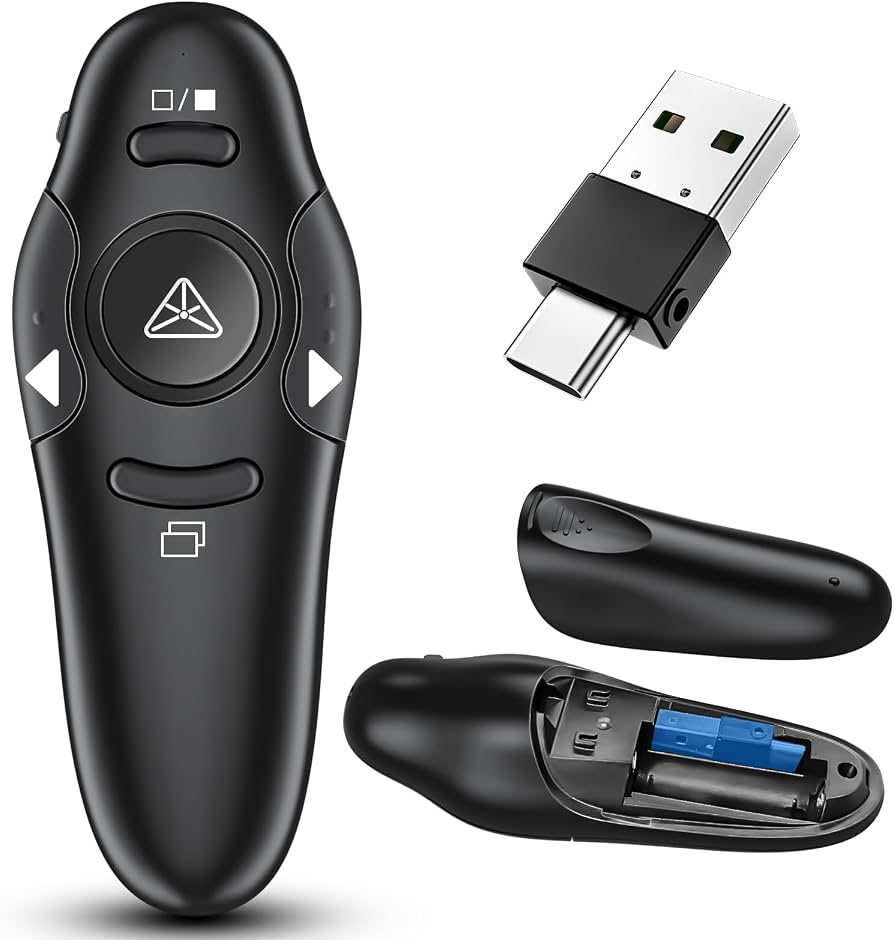
Investing in reliable hardware is just as important as the software license. A lagging interface or unresponsive clicker can disrupt the flow of competition and frustrate both judges and participants. Look for gear that complements your software’s workflow, ensuring seamless integration between digital scoring and physical feedback. By aligning your software budget with your hardware needs, you create a cohesive judging experience that feels professional and efficient.
Shortlist real options
Use this section to make the The AI-Hybrid Judging Model decision easier to compare in real life, not just on paper. Start with the reader's actual constraint, then separate must-have requirements from details that are merely nice to have. A practical choice should survive normal use, maintenance, timing, and budget. If a recommendation only works in an ideal situation, call that out plainly and give the reader a fallback path.
| Factor | What to check | Why it matters |
|---|---|---|
| Fit | Match the option to the primary use case. | A good deal still fails if it does not fit the job. |
| Condition | Verify age, wear, and service history. | Hidden condition issues erase upfront savings. |
| Cost | Compare purchase price with likely upkeep. | The cheapest option is not always the lowest-cost option. |
Inspect the expensive parts
Use this section to make the The AI-Hybrid Judging Model decision easier to compare in real life, not just on paper. Start with the reader's actual constraint, then separate must-have requirements from details that are merely nice to have. A practical choice should survive normal use, maintenance, timing, and budget. If a recommendation only works in an ideal situation, call that out plainly and give the reader a fallback path.
-
Verify the basicsConfirm the core specs, condition, and fit before comparing extras.
-
Price the downsideLook for the repair, maintenance, or replacement cost that would change the decision.
-
Compare alternativesCheck at least two comparable options before treating one listing as the benchmark.
Understanding the true cost of AI judging tools
Buying a low-cost AI judging platform often looks like a bargain until you factor in the hidden expenses of ownership. The sticker price is usually just the entry fee; the real cost comes from integration, maintenance, and the inevitable surprises that arise when automation meets real-world chaos.
Integration and setup friction
Most AI judging systems do not plug and play. They require API connections to your existing event management or scoring infrastructure. If your team lacks dedicated engineering resources, you will likely need to hire a consultant or agency to build these bridges. This one-time setup cost can easily exceed the first year of subscription fees, especially for platforms that lack robust documentation or standard connectors.
Ongoing maintenance and updates
AI models drift. As your judging criteria evolve or new types of submissions enter the system, your AI hybrid model needs tuning. This is not a "set it and forget it" tool. You need to budget for regular review cycles where human experts validate the AI's outputs and retrain the system. Ignoring this maintenance leads to skewed scores, which undermines the credibility of your entire event. Think of it like maintaining a car; skipping oil changes might save money today but guarantees a breakdown tomorrow.
When cheap stops being cheap
A cheap tool becomes expensive when it fails to handle edge cases. If the AI rejects valid entries or flags false positives, your human judges spend hours cleaning up errors instead of making nuanced decisions. This inefficiency erodes the time-saving benefits of automation. Always calculate the total cost of ownership, including the labor required to manage the AI's mistakes, rather than just looking at the monthly subscription rate.


As an Amazon Associate, we may earn from qualifying purchases.
Judging software: what to check next
Choosing the right platform for an AI-hybrid model means balancing speed with accountability. These answers address the practical tradeoffs you face when automating parts of the scoring process.
Can AI replace human judges entirely?
No. AI handles volume and pattern matching, but human judges provide the contextual nuance and ethical oversight that algorithms miss. The hybrid model uses AI to flag outliers or pre-score submissions, allowing humans to focus on final decisions and edge cases.
How do you prevent algorithmic bias in scoring?
Bias creeps in through training data or poorly weighted criteria. To prevent this, audit the AI’s scoring logic against a diverse sample set before launch. Ensure human reviewers have override capabilities and that the system logs every automated decision for transparency.
Is the software secure enough for sensitive entries?
Look for platforms with SOC 2 compliance, end-to-end encryption, and role-based access controls. Since judging often involves intellectual property or personal data, the software must restrict who can view raw submissions versus final scores. Verify that data is deleted or anonymized post-event if required.
How long does it take to set up a judging workflow?
Most modern platforms like Submittable or Judgify allow you to configure criteria, invite judges, and launch in under a day. AI integration may add a few hours for calibration. Avoid tools that require custom coding unless you have a dedicated tech team.
No comments yet. Be the first to share your thoughts!