
Contest management platform budget
The cost of contest management software scales directly with the complexity of your judging workflow. You are not just paying for entry collection; you are paying for the logic that keeps the competition fair. A basic platform handles simple form submissions and random draws, while advanced systems manage multi-round scoring, blind judging, and conflict-of-interest checks. Understanding where your money goes helps you avoid paying for features you will never use.
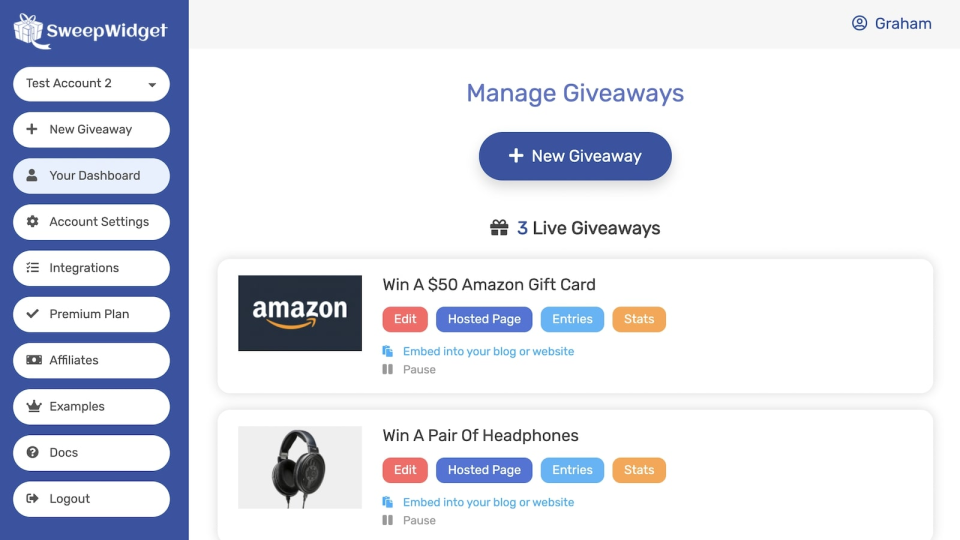
For small-scale giveaways or internal office contests, free or low-cost tools are often sufficient. Many organizers start with basic entry forms combined with manual sorting. However, as participant numbers grow into the hundreds or thousands, manual processes become a bottleneck and a liability. At this stage, investing in a dedicated platform like Judgify or Award Force pays for itself by reducing administrative hours and ensuring audit-ready records.
When evaluating paid tiers, look for limits on entries, judges, and exportable reports. Some platforms charge per entry, which can become expensive for viral campaigns. Others offer flat monthly fees that include unlimited entries but restrict the number of active judges or the complexity of scoring rubrics. Always check if premium support or custom branding is locked behind a higher tier, as these can be essential for corporate or large-scale public contests.
As an Amazon Associate, we may earn from qualifying purchases.
Shortlist real options
Finding the right contest management platform means looking past the marketing gloss. The tools that actually deliver fairness in 2026 are those that separate human judgment from automated entry filtering. We compared four platforms that handle the full lifecycle: entry collection, judging workflows, and winner selection.
Judgify offers an end-to-end system for abstract and award management. It streamlines the judging process by allowing multiple reviewers to score entries independently before a final tally. This reduces the risk of biased scoring and keeps the process transparent for organizers.
Award Force provides robust contest entry management with a focus on selection integrity. It handles complex judging panels and allows for customizable scoring criteria. The platform is particularly strong for organizations running large-scale competitions where data accuracy is paramount.
Launchpad6 specializes in user-generated content and voting management. It helps businesses capture and activate UGC while managing the voting process to prevent fraud. This makes it a strong choice for brand-led giveaways and community-driven contests.
Platform Comparison
| Feature | Judgify | Award Force | Launchpad6 |
|---|---|---|---|
| Best For | Abstract & Awards | Large-Scale Competitions | UGC & Voting |
| Judging Workflow | Multi-rater scoring | Custom criteria panels | Public & private voting |
| Entry Management | Automated collection | Structured forms | Social media integration |
| Fraud Protection | IP tracking | Entry validation | Vote limiting |
Choosing the Right Fit
The best platform depends on your specific needs. If you are running a formal awards ceremony with expert judges, Judgify or Award Force are the stronger choices. They offer the granular control needed for professional judging.
For brand activations and social media giveaways, Launchpad6 provides the engagement tools and voting safeguards necessary to keep participants engaged while maintaining fairness. Always check the platform’s specific fraud prevention features, as this is where many contests fail.
| Platform | Core Strength | Ideal Use Case |
|---|---|---|
| Judgify | Judging Management | Abstracts & Awards |
| Award Force | Data Integrity | Professional Competitions |
| Launchpad6 | Voting & UGC | Brand Giveaways |
Inspect the expensive parts
When an AI-driven contest platform fails, it usually isn’t because the entry form broke. It fails at scale. A sudden spike in submissions can crash the judging queue, skew bias-detection algorithms, or corrupt prize fulfillment data. These are expensive failures: they cost reputation, legal fees, and user trust.
Before you commit to a platform, run through this checklist. We’ve prioritized these steps by the potential financial and operational damage if each area fails.
AI scoring can create bottlenecks if the algorithm prioritizes speed over accuracy. Check how the platform handles edge cases: duplicate entries, borderline scores, or flagged content. If the queue doesn’t auto-reassign stuck entries to human judges, your timeline will stall. Look for platforms like Judgify or Award Force that offer manual override controls alongside automated scoring.

Don’t just trust the "fairness" badge. Ask for a whitepaper or demo showing how the AI weights criteria. If the platform uses opaque machine learning models, request a "black box" test with your own sample data. Ensure the system logs every score adjustment so you can audit decisions later. This is critical if you’re running high-stakes competitions where discrimination lawsuits are a real risk.
The most common point of failure is the handoff between the winner announcement and the prize delivery system. If the platform doesn’t integrate directly with your CRM or payment gateway, manual data entry becomes a liability. Test the API connection with a mock winner. If the payout process requires five manual steps, the platform is adding risk, not reducing it.

Contest entries often contain PII (Personally Identifiable Information). Ensure the platform stores data in regions compliant with GDPR, CCPA, or your local laws. If the AI processes images or videos, verify that the data is deleted after the contest ends. A data breach during a contest is a PR nightmare that can shut down your brand’s social presence.
Ownership costs and maintenance surprises
A low entry price rarely reflects the true cost of running a contest platform. While initial licensing or subscription fees are visible, hidden costs often emerge during the lifecycle of the event. These include data storage fees for high-volume entry periods, custom branding charges, and the labor required to integrate the software with existing CRM or email marketing tools.
Maintenance surprises frequently occur when platforms change their pricing tiers or when technical support becomes necessary for complex judging workflows. For instance, a platform might offer a free tier for basic giveaways but charge per entry once submissions exceed a modest threshold. Similarly, advanced features like real-time analytics or multi-stage judging panels may require upgrading to a premium plan mid-event, disrupting budget plans.
When a cheap buy stops being cheap depends on the scale and complexity of your contest. For simple, one-off giveaways, a free or low-cost tool may suffice. However, for recurring competitions with thousands of entries, custom branding, or strict compliance requirements, the cost of managing workarounds or paying for add-ons often exceeds the price of a robust, all-in-one platform. Always calculate the total cost of ownership, including potential upgrade fees and integration costs, before committing.

- Simple spreadsheet templates
- Entry counting features
- Manual management
As an Amazon Associate, we may earn from qualifying purchases.
No comments yet. Be the first to share your thoughts!