How AI changes judging workflows
AI-assisted scoring shifts contest management from manual review to automated evaluation, significantly reducing the time judges spend on initial screening. Instead of reading every entry from start to finish, judges now focus on high-priority submissions flagged by the system. This change allows contest organizers to handle larger entry pools without increasing headcount or extending deadlines.
The core benefit is consistency. Manual judging often suffers from inconsistency due to fatigue or varying interpretation of rubrics. AI models apply the same scoring criteria to every entry, eliminating subjective drift. Platforms like Judgify and Reviewr integrate these automated judging tools directly into the workflow, allowing for blind reviews and multi-round advancement without manual data entry.
This efficiency doesn't replace human judgment; it refines it. Judges spend less time on administrative sorting and more time on nuanced evaluation of top-tier entries. The result is a faster, more credible competition process that scales with demand.
Best overall contest management platform
Judgify stands out as the most capable all-in-one solution for organizers who need to manage complex contests with automated, AI-assisted scoring. Unlike manual entry systems that rely on spreadsheets, Judgify integrates the entire workflow—from registration to final result announcement—into a single dashboard. The platform is particularly effective for abstract and award contests where subjective judging requires consistent, algorithmic assistance to reduce bias and speed up evaluation.
The core differentiator is its judging management module, which supports multi-rater scoring models. Organizers can assign judges to specific entries, set scoring rubrics, and allow the system to automatically calculate averages or weighted scores. This automation handles the heavy lifting of data aggregation, ensuring that the final results are accurate and defensible. For high-volume contests, this reduces the time spent on administrative tasks by weeks.
Judgify also offers robust customization for entry forms and branding, allowing organizers to maintain a professional appearance throughout the participant journey. The platform’s interface is designed for clarity, making it easy for both administrators and judges to navigate without extensive training. While other tools focus heavily on marketing or basic data collection, Judgify prioritizes the integrity and efficiency of the scoring process itself.
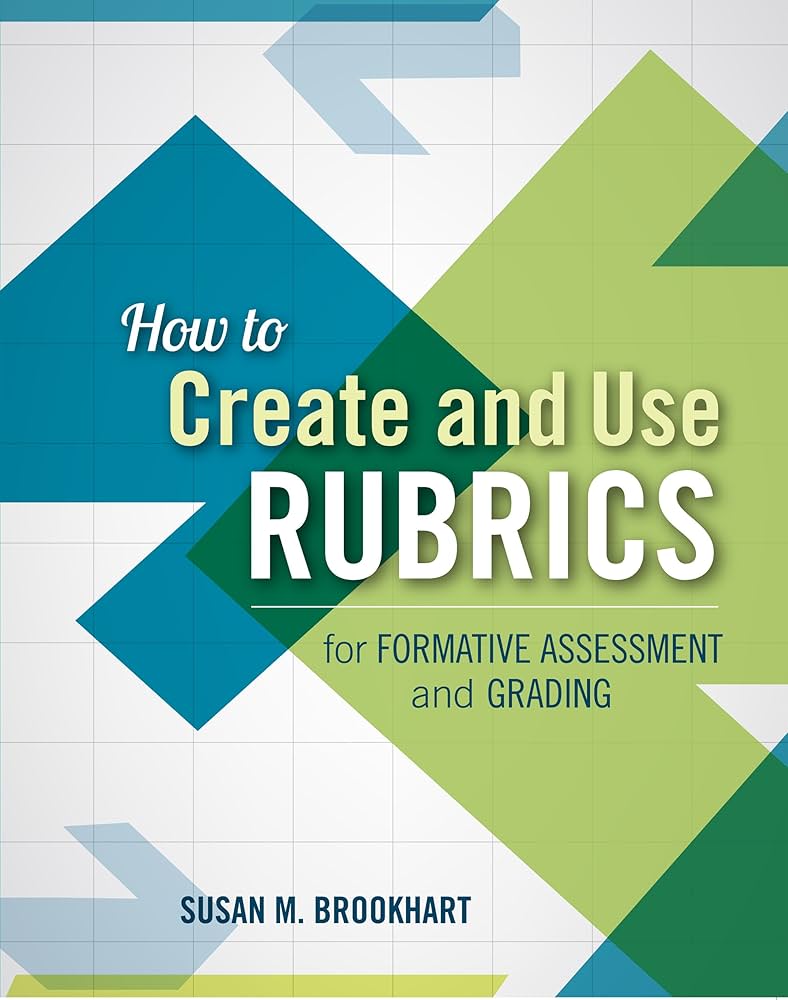
For those looking to deepen their understanding of contest management workflows or explore related tools, the following resources may be helpful:

As an Amazon Associate, we may earn from qualifying purchases.
Handling abstract and creative submissions
Creative contests present a unique scoring challenge. Judges must evaluate subjective elements like artistic merit, narrative cohesion, or visual impact, which resist simple keyword matching. Standard text-based AI tools often miss nuance, leading to inconsistent scores. The right platform bridges this gap by offering flexible criteria and specialized AI-assisted scoring that understands context beyond literal text.
Judgify supports diverse entry types, from photography to short stories, by allowing judges to create custom scoring rubrics. Its AI features help flag inconsistencies or potential plagiarism in written submissions, but the core value lies in its flexible judging interface. Judges can weigh different criteria—such as originality versus technical skill—without being forced into rigid templates. This flexibility ensures that abstract or non-textual entries receive fair, nuanced evaluation.
Launchpad6 focuses on user-generated content (UGC) and community-driven awards. It excels at managing high volumes of visual and multimedia submissions. The platform’s AI assists in initial triage, helping organizers categorize entries and identify standout pieces for human review. This hybrid approach saves time while preserving the human judgment needed for creative work. It is particularly effective for contests where community engagement and broad participation are as important as the final winners.
Enterprise and Academic Award Platforms
Enterprise and academic environments require contest management software that prioritizes security, audit trails, and high-volume data handling over casual usability. These platforms are built to support complex judging workflows, often involving hundreds of reviewers and thousands of submissions, while maintaining strict compliance with institutional or corporate standards.
OpenWater provides a robust awards management solution designed to streamline the entire lifecycle of an awards program. It handles everything from initial application intake to final winner communication, offering customizable review workflows that adapt to specific academic or corporate judging criteria. The platform’s emphasis on secure data handling makes it a reliable choice for sensitive institutional data.
For organizations needing granular control over the judging process, RQ Platform offers a customizable system that integrates submissions, judging, and reporting into a single secure environment. Its architecture supports complex scoring models and allows administrators to tailor the reviewer experience, ensuring that AI-assisted scoring tools can be integrated without disrupting established evaluation protocols.
Feature Comparison
| Feature | OpenWater | RQ Platform |
|---|---|---|
| Customizable Review Workflows | Yes | Yes |
| High-Volume Submission Handling | Yes | Yes |
| Secure Data Compliance | Yes | Yes |
| AI-Assisted Scoring Integration | Via API | Native/Custom |
| Reporting & Analytics | Advanced | Advanced |
Key features to look for in judging software
Selecting a contest management platform requires evaluating how well it handles the intersection of human judgment and algorithmic assistance. The right software reduces administrative overhead while ensuring scoring integrity. Look for tools that support automated judging workflows, blind review processes, and multi-round advancement to maintain fairness and efficiency.
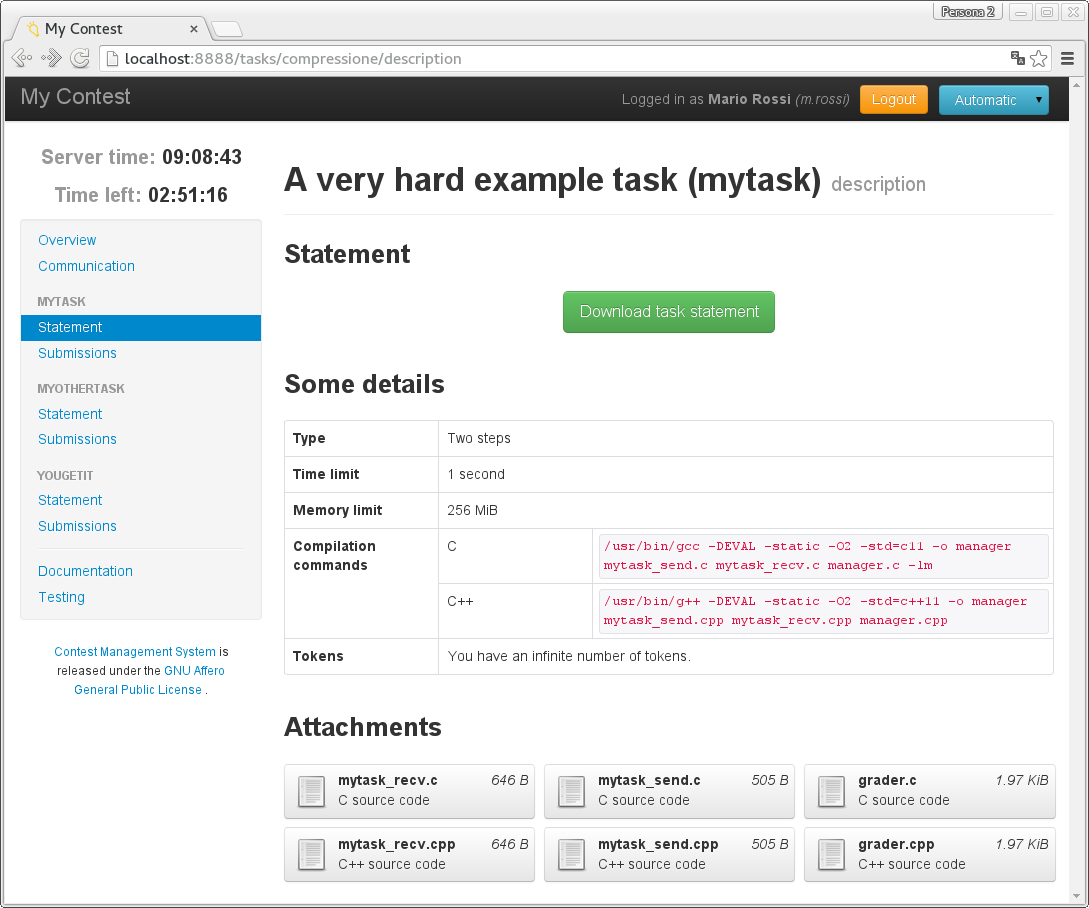
The primary differentiator is AI-assisted scoring. Platforms like Reviewr streamline competition management with automated judging capabilities, allowing algorithms to pre-score or flag entries for human review. This hybrid approach ensures consistency while reducing the manual load on judges.

To prevent bias, the platform must support blind review modes. This feature hides submitter identities during the initial scoring phases, ensuring that judges evaluate content based solely on merit. This is critical for maintaining the credibility of the competition results.
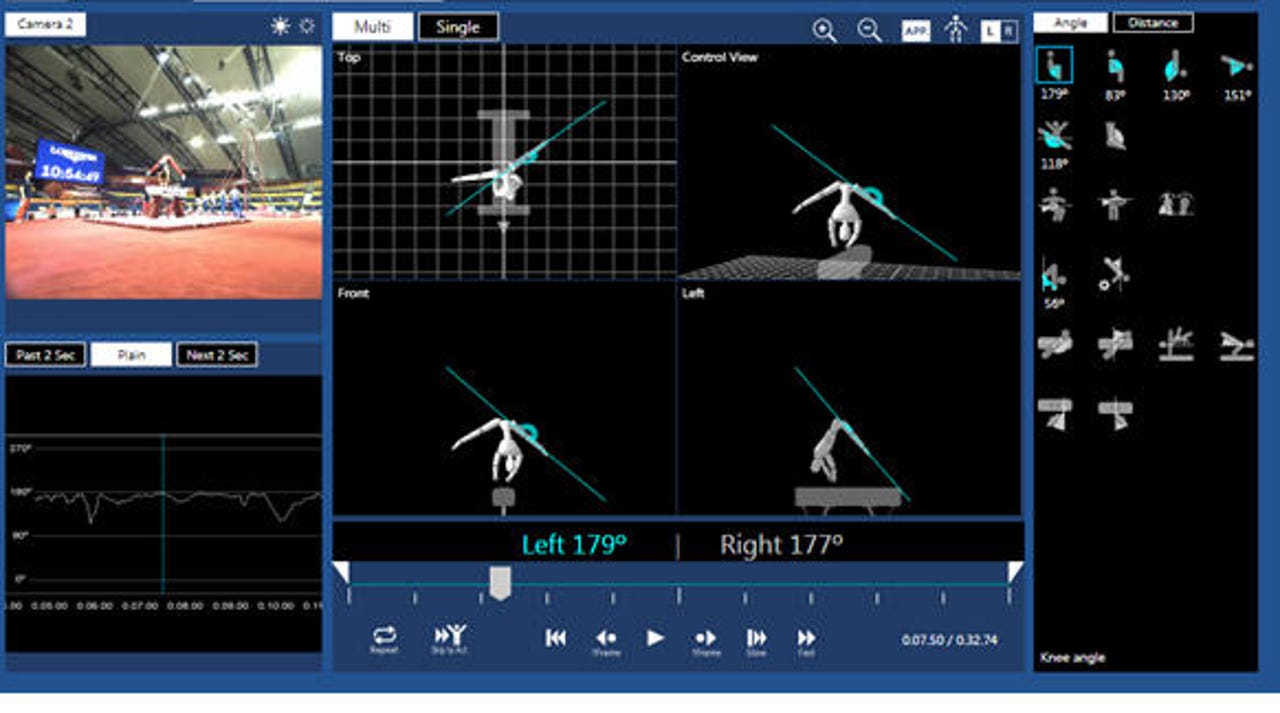
Complex contests often require multiple evaluation stages. The software should handle multi-round advancement seamlessly, automatically promoting top-scoring entries to subsequent judging panels. This eliminates manual data entry and ensures that only the most qualified submissions move forward.
No comments yet. Be the first to share your thoughts!