Why AI changes contest judging
Contest judging used to mean a mountain of paper or endless spreadsheets. Today, AI shifts the judge’s role from manual scoring to oversight. Instead of counting stars or tallying votes by hand, judges review AI-prepared shortlists and flag outliers. This change lets platforms handle volume while humans focus on nuance.
Modern contest management platforms rely on features like blind review and automated scoring to keep things fair. Blind review hides names and affiliations, reducing bias before a human even sees an entry. Automated scoring then ranks submissions based on predefined criteria, creating a transparent trail for auditors.
This shift is why software selection matters. A platform that merely collects entries isn’t enough. You need tools that integrate these AI capabilities seamlessly, ensuring that the final decision feels both efficient and deeply human.
Judgify for flexible award workflows
Judgify is built for organizations that need a single, all-in-one system to handle the messy reality of contests and awards. Instead of stitching together separate tools for applications, judging, and scoring, Judgify keeps everything in one place. It is particularly strong for teams that need to run multiple contest types simultaneously or manage complex judging panels.
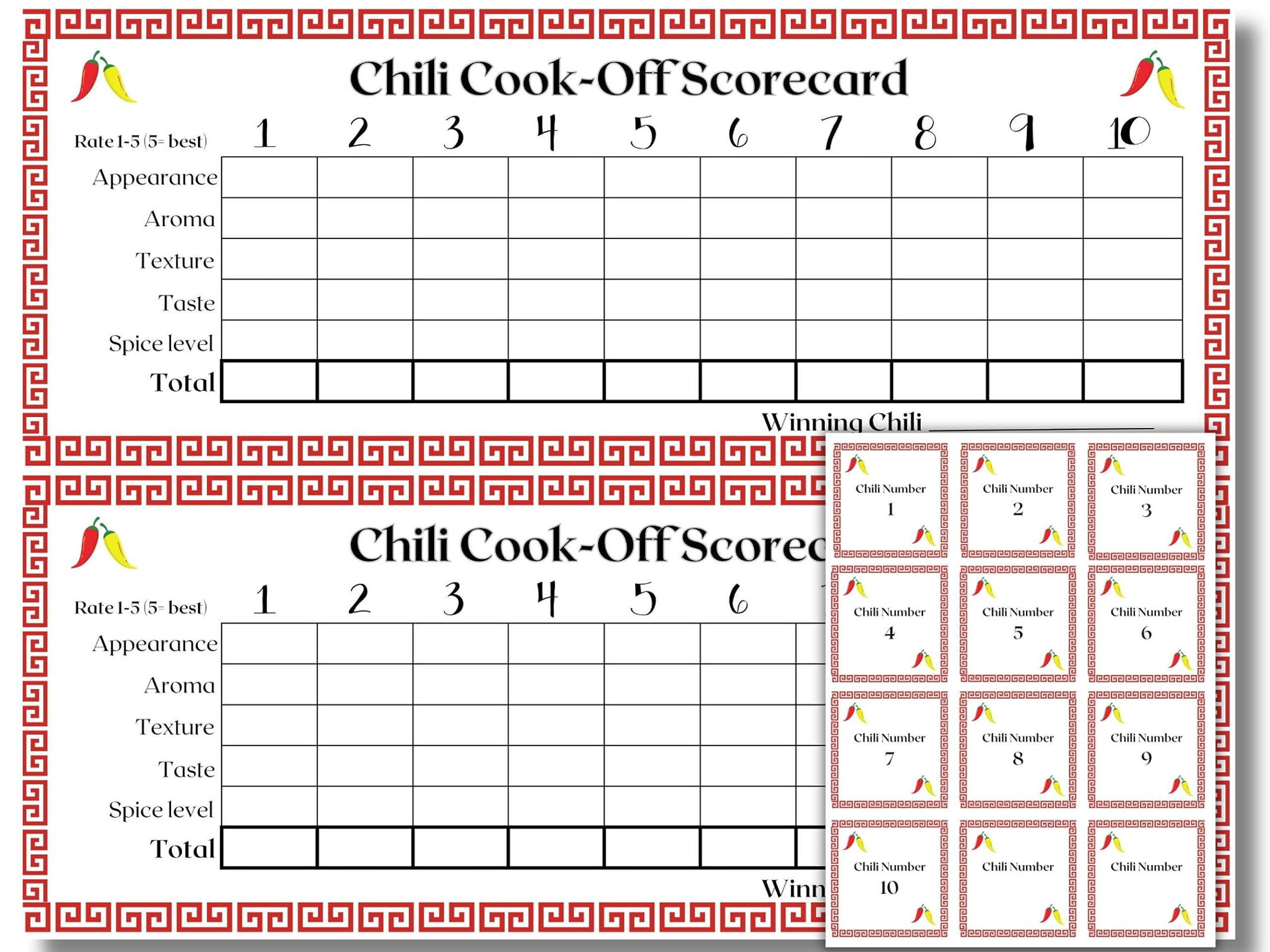
The platform shines in its flexibility. You can set up custom scoring rubrics, enable blind review processes to ensure fairness, and automate the distribution of submissions to judges. This means less manual coordination and fewer errors when tallying scores. The interface is designed to be intuitive, so judges don’t need extensive training to start evaluating entries.
Whether you are running a local photography contest or a large-scale industry award, Judgify scales with your needs. It handles the heavy lifting of data collection and score calculation, allowing you to focus on selecting the best work.


As an Amazon Associate, we may earn from qualifying purchases.
Award Force for large-scale competitions
When your event grows from a local meetup to a national industry award, the logistics of judging can quickly become unmanageable. Award Force is built for this exact scenario. It handles high-volume entries and complex judging panels without breaking a sweat, making it the go-to choice for major competitions that need to process thousands of submissions efficiently.
The platform shines with features like blind review and automated scoring. These tools remove bias from the equation by hiding applicant identities from judges until the final stages. Automated scoring then ensures that every entry is evaluated against the same criteria, reducing the administrative burden on your team and keeping the process fair and transparent.
For organizers who need to customize every detail, Award Force offers robust configuration options. You can tailor the judging workflow to match your specific industry standards, whether you are running a design contest, a pitch competition, or a scientific research award. This flexibility ensures that the software adap to your process, not the other way around.
To see how it stacks up against other popular options, compare the key features below.
| Feature | Award Force | Judgify |
|---|---|---|
| Blind Review | Yes | No |
| Automated Scoring | Yes | Limited |
| Custom Workflows | High | Medium |
| Entry Volume | Unlimited | Up to 5,000 |
Launchpad6 for audience engagement
Launchpad6 is built for contests where public voting and user-generated content (UGC) are the main event. If your goal is to turn participants into active promoters, this platform provides the infrastructure to manage high-volume submissions while keeping the judging process fair and transparent.
The system handles the heavy lifting of moderation. When thousands of entries flood in, AI tools step in to flag inappropriate content or duplicate submissions before human judges ever see them. This automated scoring and blind review features ensure that early entries don't get an unfair advantage, allowing judges to evaluate work based on merit alone.
For organizers, the dashboard offers a clear view of engagement metrics. You can track voting trends, monitor submission spikes, and identify top-performing content in real time. This data helps you adjust marketing efforts on the fly, ensuring your contest maintains momentum until the final winner is crowned.
Reviewr for academic and blind reviews
Reviewr is built for organizers who need more than just a submission form. It is a dedicated platform for managing the entire lifecycle of competitive applications, from initial intake to final judging. The software is particularly strong in academic, scientific, and creative fields where the integrity of the selection process is paramount.
The platform’s standout feature is its support for strict blind review processes. By anonymizing submissions before they reach judges, Reviewr helps eliminate bias and ensures that entries are evaluated solely on merit. This is essential for scholarly journals, grant competitions, and high-stakes creative contests where fairness is the primary concern.
Beyond anonymity, Reviewr offers automated scoring and multi-round advancement workflows. Judges can score entries against custom rubrics, and the system automatically calculates results or advances top performers to the next stage. This reduces administrative overhead and minimizes the risk of human error in tallying scores.
For organizations prioritizing credibility and efficiency in their judging panels, Reviewr provides a robust infrastructure. It handles the complexity of multi-judge evaluations, allowing you to focus on selecting the best talent rather than managing the logistics of the review process.
How to pick the right platform
Choosing a contest management platform for AI judging isn't just about finding the cheapest option. It's about matching the software's capabilities to your specific workflow. A platform that excels at simple social media giveaways might crumble under the weight of a complex, multi-round academic competition. You need to look past the marketing fluff and focus on concrete features that actually impact your judging process.
Think of your platform as the backbone of your event. If it's weak, the entire structure wobbles. Start by auditing your current pain points. Are you drowning in manual entry? Do your judges struggle with inconsistent scoring? Your answers will point you toward the features that matter most.

Bias is the enemy of fair judging. Ensure the platform supports blind review, where judges see submissions without knowing the entrant's identity. This feature is critical for maintaining integrity, especially in professional or academic contests where reputations are on the line.
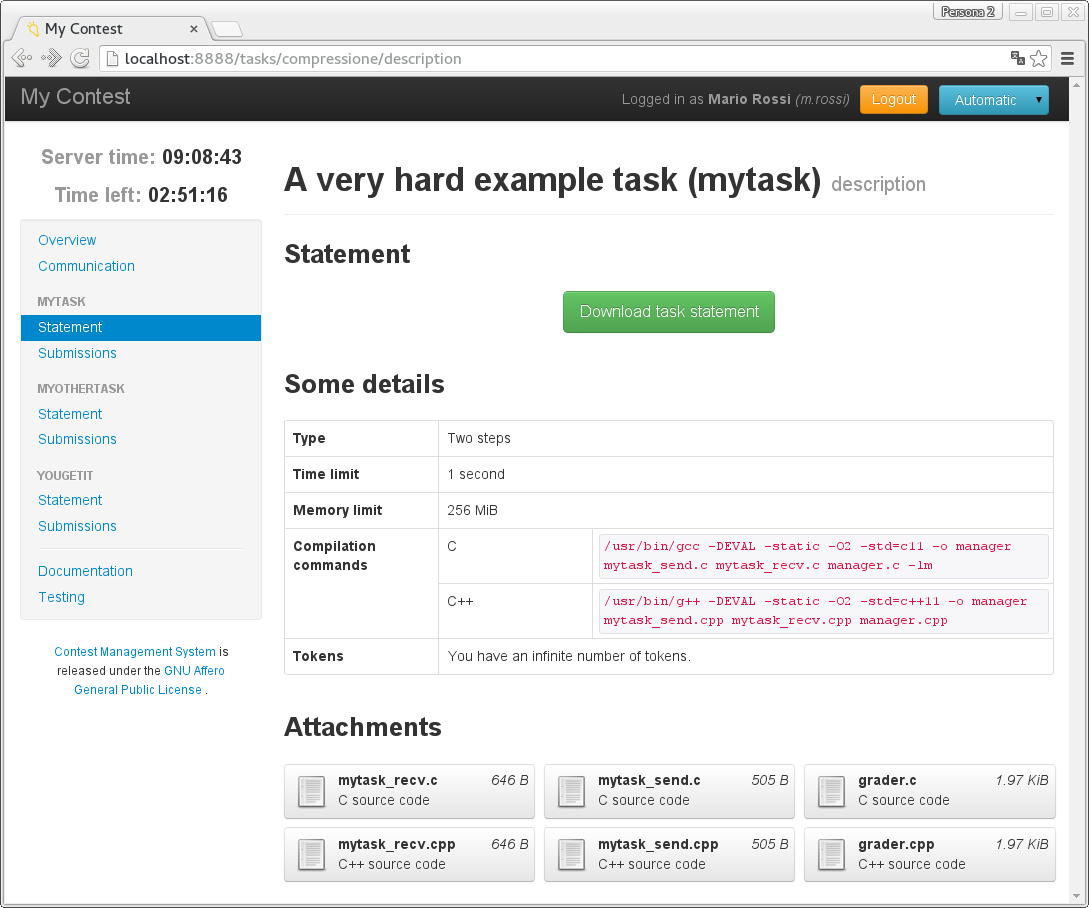
AI judging relies on speed and consistency. Look for platforms that natively integrate with AI scoring tools or allow for automated rubric application. This reduces human error and ensures that every entry is evaluated against the same criteria, saving your team hours of manual review.
Can the platform handle a sudden spike in entries? Test the system's ability to manage large datasets without slowing down. A robust platform should allow you to scale up seamlessly, whether you have 100 entries or 10,000, without crashing or requiring manual intervention.
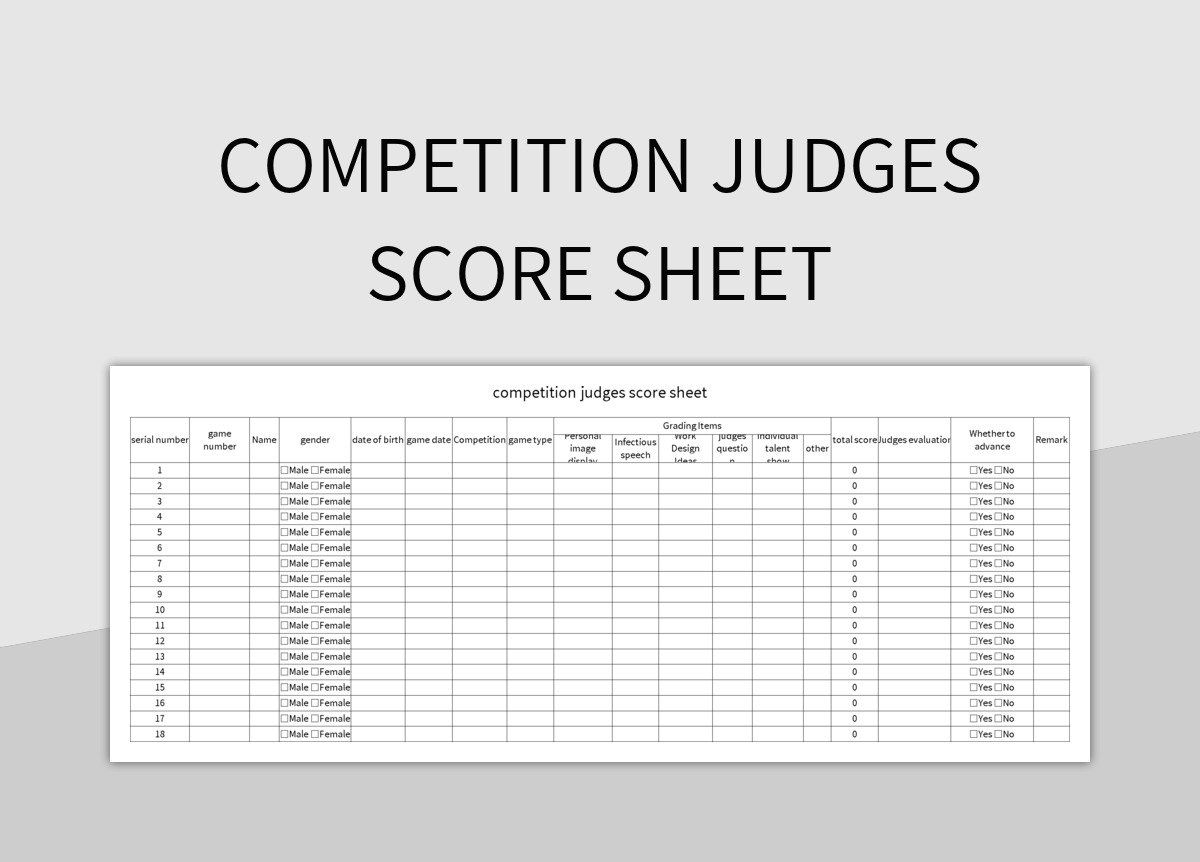
Judging is often a team sport. Look for features that allow judges to discuss entries, flag outliers, and reach consensus easily. Features like comment threads, private notes, and real-time score updates can significantly improve the quality of the final decision.

As an Amazon Associate, we may earn from qualifying purchases.
By focusing on these core areas, you can narrow down your options quickly. The right platform should feel invisible, letting your content and judges shine rather than getting in the way. Take the time to test a few options before committing, and you'll set your contest up for success from day one.
Common questions about AI judging
Running a contest with AI judges can feel like handing the keys to a robot, but modern platforms are built to keep things fair and secure. Here are the most common concerns organizers have about automating the selection process.
Does AI judging introduce bias?
AI models can inherit biases from their training data, but top platforms mitigate this through "blind review" features. These tools hide personal identifiers like names, photos, or demographics before the AI scores an entry. This ensures the algorithm evaluates only the merit of the submission, not the background of the creator.
Is my data secure during automated scoring?
Security is the foundation of any contest management platform. Reputable systems encrypt all entries and judge interactions in transit and at rest. They also comply with major privacy regulations like GDPR and CCPA, ensuring that participant data is never sold or used for unrelated marketing purposes.
How hard is it to implement AI judging?
Implementation is designed to be plug-and-play. Most platforms offer pre-built scoring rubrics that you can customize in minutes. You don’t need to code; you simply define the criteria, upload your entries, and the system handles the rest. Many tools also allow human judges to override AI scores if needed, providing a safety net for complex cases.
No comments yet. Be the first to share your thoughts!