
Contest management platform budget
Choosing a contest management platform requires balancing feature depth against your operational budget. While open-source tools exist, they often demand significant technical overhead for maintenance and security. Most organizers find that dedicated software offers a better return on investment by automating entry collection, judging workflows, and winner notification.
Pricing structures typically fall into three tiers. Entry-level plans, often ranging from $20 to $50 per month, suit small giveaways or single-event contests with limited entries. Mid-tier solutions, costing $100 to $300 monthly, provide advanced features like multi-round judging, custom scoring rubrics, and integration with email marketing tools. Enterprise-grade platforms charge custom fees based on entry volume and API access, suitable for large-scale national competitions.
When evaluating costs, look beyond the monthly subscription. Consider hidden expenses such as transaction fees for prize payouts, costs for additional judges or admin seats, and premium support tiers. Many platforms offer free trials or basic free tiers for very small contests, allowing you to test the interface before committing. Prioritize platforms that scale pricing with your entry count rather than charging flat fees for unlimited use, as this aligns costs with your actual success.
For physical prizes, you may also need to factor in shipping and handling. Some platforms integrate directly with fulfillment services, simplifying the logistics but potentially increasing the total cost. Always review the refund and cancellation policies before signing up, especially if your contest dates are flexible.
Shortlist real options
2026 guide: Top Contest Management Platforms & Scoring Systems for Fair Judging works best as a clear sequence: define the constraint, compare the realistic options, test the tradeoff, and choose the path with the fewest hidden costs. That order keeps the advice usable instead of decorative. After each step, pause long enough to check whether the recommendation still fits the reader's actual situation. If it depends on perfect timing, unusual access, or a best-case budget, include a simpler fallback.
| Factor | What to check | Why it matters |
|---|---|---|
| Fit | Match the option to the primary use case. | A good deal still fails if it does not fit the job. |
| Condition | Verify age, wear, and service history. | Hidden condition issues erase upfront savings. |
| Cost | Compare purchase price with likely upkeep. | The cheapest option is not always the lowest-cost option. |
Inspect the expensive parts
2026 guide: Top Contest Management Platforms & Scoring Systems for Fair Judging works best as a clear sequence: define the constraint, compare the realistic options, test the tradeoff, and choose the path with the fewest hidden costs. That order keeps the advice usable instead of decorative. After each step, pause long enough to check whether the recommendation still fits the reader's actual situation. If it depends on perfect timing, unusual access, or a best-case budget, include a simpler fallback.


Ownership costs: when cheap buys stop being cheap
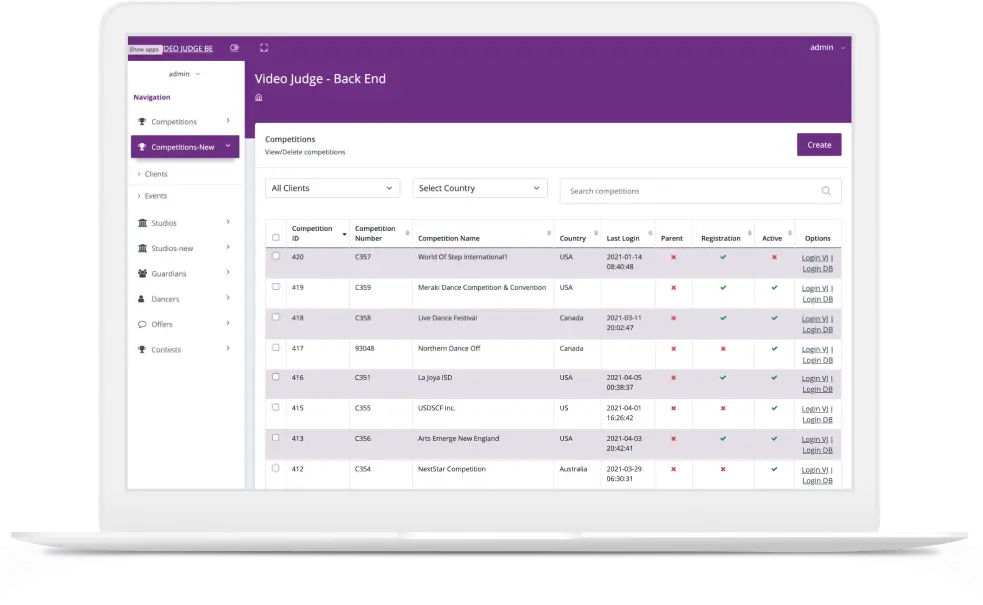
A low upfront license price often masks the real expense of running contest management software. The initial fee covers the platform; ongoing costs cover the people and infrastructure that keep it running. If you underestimate these, a $500 tool can easily cost $2,000 or more to operate fairly over a single season.
The first hidden cost is data storage and entry volume. Platforms like Judgify or Award Force charge based on the number of submissions or active contests. A small local art show might fit a free tier, but a regional sports league with thousands of entries will trigger overage fees or force an upgrade to a paid plan. Always check the per-entry or per-storage limits before committing.
Maintenance is the second silent cost. Unlike static websites, judging platforms require active administration. You need staff time to train judges, resolve technical glitches, and export final results. If the platform lacks automated scoring or easy export features, your administrative hours will balloon. Factor in at least 5–10 hours of staff time per major contest for setup and troubleshooting.
Finally, consider the cost of switching. If a platform doesn’t integrate with your existing registration or payment systems, you’ll spend time manually moving data between spreadsheets and the judging portal. This fragmentation increases the risk of errors and delays. Choose a platform that connects seamlessly with your current workflow to avoid these hidden operational burdens.

As an Amazon Associate, we may earn from qualifying purchases.
Contest management platform: what to check next
Choosing the right software depends on whether you need simple entry collection or a full judging workflow with scoring rubrics. Below are answers to the most common questions about selecting and running contest platforms.
No comments yet. Be the first to share your thoughts!