
Contest management platform budget
Pricing for contest management software varies widely depending on the scale of your event and the complexity of the judging workflow. While some platforms offer free tiers for small, low-stakes giveaways, professional-grade tools with AI-assisted scoring and automated award distribution typically require a monthly or annual subscription.
When evaluating costs, look beyond the base price. Consider whether the platform charges per entry, per judge, or per event. For large-scale competitions with thousands of submissions, per-entry fees can quickly erode your budget. A flat-rate enterprise plan often provides better value if you anticipate high volume.
Budget fit also involves weighing features against necessity. Do you need advanced fraud detection and real-time analytics, or is simple entry collection and manual judging sufficient? Aligning your spending with your actual operational needs prevents overpaying for unused capabilities. Always request a demo to test the interface before committing to a paid plan.


As an Amazon Associate, we may earn from qualifying purchases.
Shortlist real options
Finding a platform that actually handles the judging workflow is different from finding one that just collects entries. The following platforms are the strongest contenders for AI-enhanced contest management, selected for their ability to streamline judging, automate scoring, and manage complex entry flows.
Judgify stands out as a dedicated system for abstract and award management. It is built to handle diverse nomination types and includes built-in tools for online judging, making it a strong fit for organizations that need structured evaluation rather than simple voting. Award Force offers a similar end-to-end experience, focusing on the selection of results and providing award-winning software for organizers who need rigorous tracking of entry status and judge assignments.
Launchpad6 takes a slightly different approach by emphasizing user-generated content (UGC) capture and activation. If your contest relies heavily on participant submissions that need to be displayed and engaged with, this platform provides the infrastructure to turn entries into marketing assets while managing the underlying competition logic. ShortStack and Gleam remain popular choices for social media contests, particularly when the goal is rapid lead generation through entry gating, though they offer less depth for multi-stage judging panels.
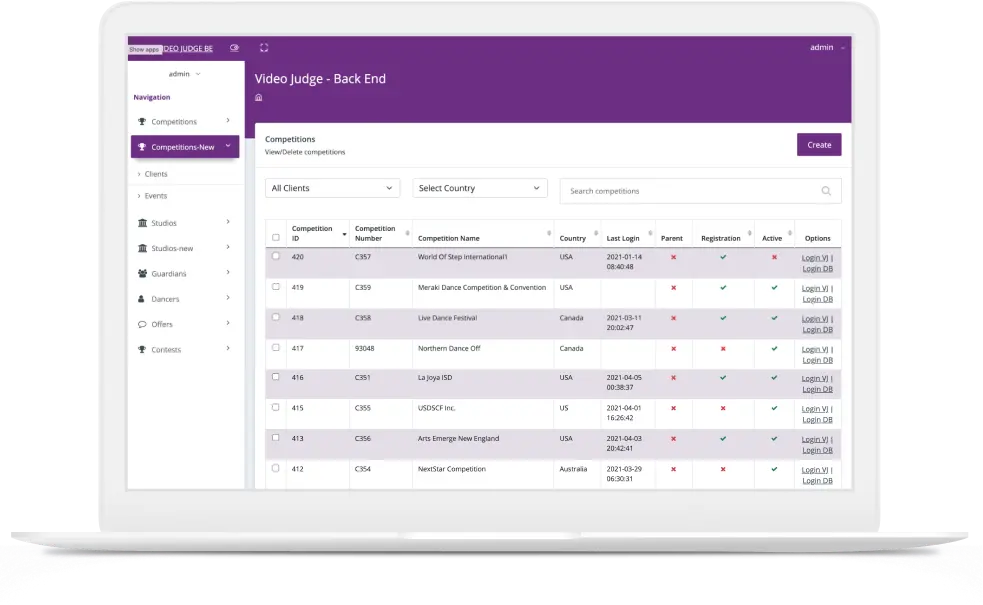
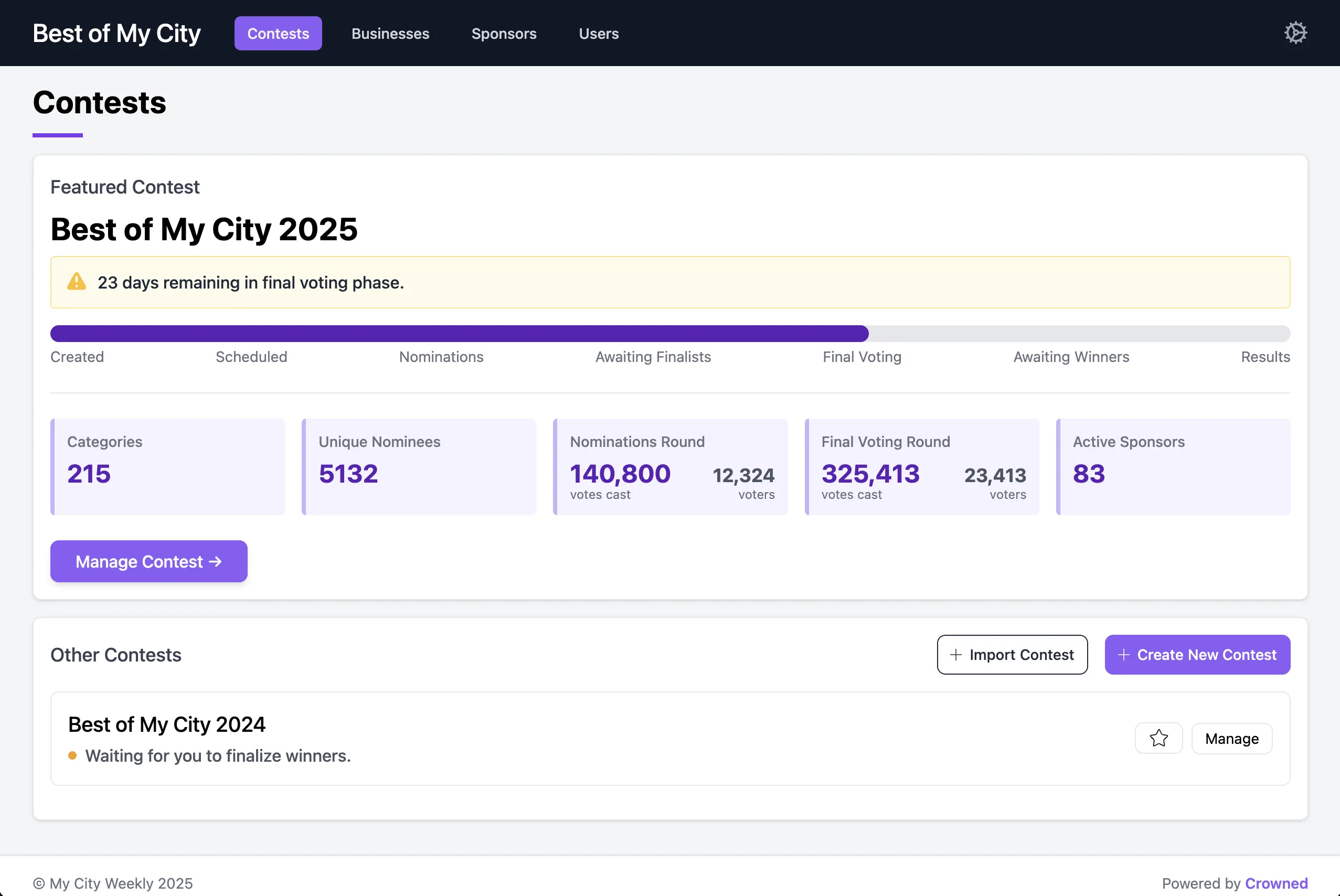
The table below compares the core capabilities of these platforms to help you decide which fits your judging criteria.
Inspect the expensive parts
AI-enhanced judging platforms promise speed, but they introduce hidden risks that can break a contest if not checked early. A single algorithmic bias or data leak can cost you more in reputation and remediation than the software license itself. Treat your selection process like a structural audit: look for the load-bearing features that keep the judging fair and secure.

AI models can inadvertently favor certain demographics or styles if trained on skewed data. Verify that the platform offers transparency reports or bias-detection tools. Look for features that allow judges to override AI scores manually, ensuring human oversight remains the final authority rather than a rubber stamp.
Contestants submit personal information and creative work. The platform must be GDPR and CCPA compliant, with clear data retention policies. Check if entries are anonymized during judging to prevent bias. If the vendor stores data on third-party servers, ensure they provide encryption standards and breach notification protocols.
Your contest platform must talk to your existing marketing and CRM tools without breaking. Ask for a sandbox environment to test API connections before committing. Poor integration leads to lost entries and frustrated participants. Ensure the platform supports webhooks for real-time updates, so you don't have to manually sync data.
Software vendors go out of business or change pricing models unexpectedly. Look for established companies with transparent roadmaps and responsive support teams. Avoid platforms that rely heavily on community forums for critical bug fixes. A dedicated account manager or SLA (Service Level Agreement) is a sign of a reliable partner for long-term contests.
These checks protect your reputation. A fair, secure, and stable platform ensures that the winner is truly the best, not just the most compatible with the algorithm.
Plan for ownership costs
A low monthly subscription can mask the true cost of running an AI-enhanced contest platform. The sticker price covers the software license, but ownership costs accumulate through implementation, maintenance, and scaling. Before committing to a vendor, map out the full lifecycle expenses to avoid budget surprises when your contest grows.
Initial setup and integration
The first cost comes from getting the system live. AI features often require training data or initial configuration that generic templates don't cover. If your platform doesn't integrate seamlessly with your existing CRM or payment processor, you may need developer hours to build custom connectors. Expect to spend one to three weeks on setup for complex platforms, whereas simpler tools might take a few days. Factor in the cost of hiring a technical lead or agency if your team lacks API experience.
Ongoing maintenance and updates
AI models drift over time, requiring periodic retraining or parameter adjustments to maintain judging accuracy. This isn't a "set and forget" expense. You'll need monthly or quarterly reviews of judging outcomes to correct biases or errors. Additionally, platform providers often introduce new features that require staff training. If the interface changes significantly, you may need to retrain judges or update your internal guidelines, adding to your operational overhead.
Scaling and hidden fees
Subscription tiers often cap entry volume or judging seats. As your contest gains traction, you'll hit these limits quickly. Scaling beyond the base plan can trigger steep price jumps. Some vendors charge extra for advanced AI analytics, custom branding, or priority support. Always ask for a quote based on your projected peak volume, not just your current size, to ensure the long-term cost remains predictable.
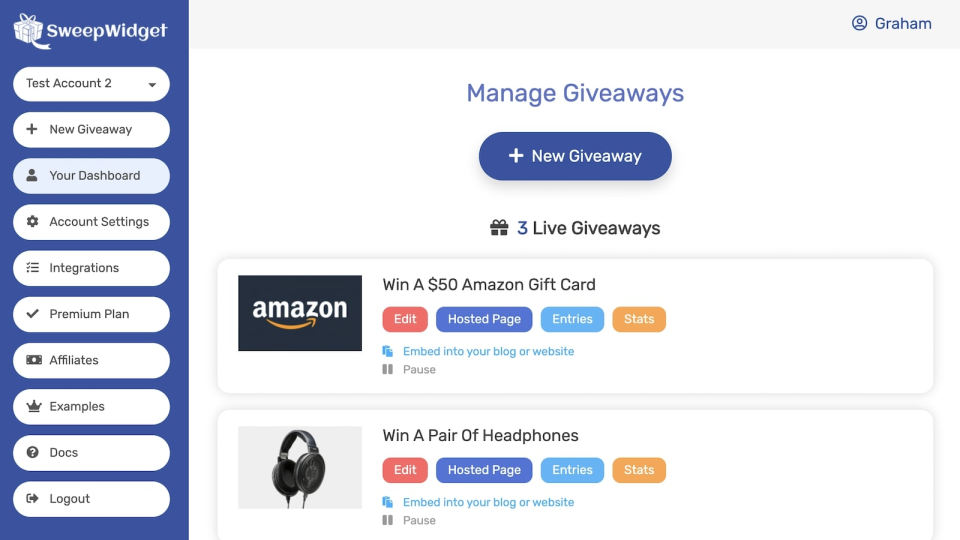
- Automated judging workflows
- Entry tracking
- Scalable pricing plans
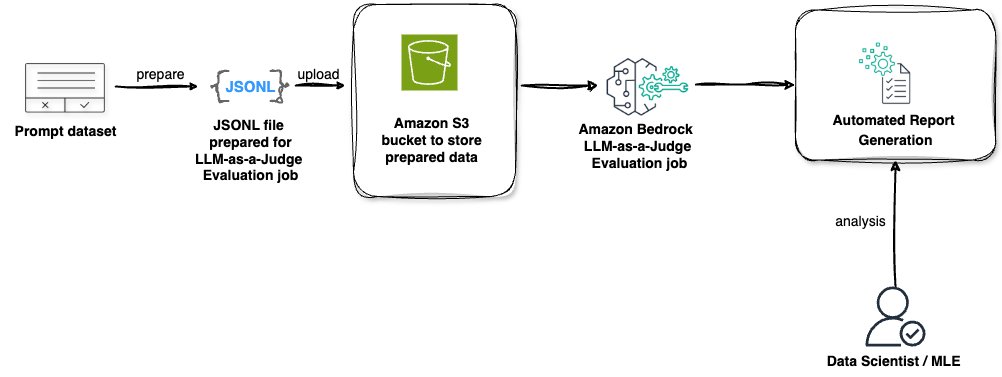

- End-to-end automation
- Customizable criteria
- Secure data handling
As an Amazon Associate, we may earn from qualifying purchases.
Contest management platform: what to check next
Choosing the right software often hinges on specific technical needs rather than general features. Here are direct answers to the most common practical objections readers have before committing to a platform.
No comments yet. Be the first to share your thoughts!