
Contest management platform budget
Picking a contest management platform is less about finding the cheapest option and more about matching your volume to the right pricing tier. Most providers structure costs around entry volume, judging complexity, and integration depth. If you are running a small-scale giveaway with under 500 entries, a free or low-cost tier often covers the basics. However, as you scale to thousands of submissions with multi-round judging, you will likely need a paid plan that supports bulk data imports and automated scoring.
The tradeoff usually involves ease of use versus customization. Cheaper platforms often rely on rigid forms and manual review processes, which can become bottlenecks. More expensive enterprise solutions offer API access and custom workflows but come with a steeper learning curve. For most organizers, the sweet spot is a mid-tier plan that includes essential automation features without the overhead of enterprise-level support.
When evaluating costs, look beyond the monthly subscription. Check for hidden fees related to payment processing, extra judges, or storage limits. Some platforms charge per entry after a certain threshold, which can quickly inflate your budget if your contest goes viral. Always request a detailed breakdown of what is included in each tier before committing.
Shortlist real options
2026 guide: Choosing the Best Contest Management Platform with AI-Driven Judge Training Certification works best as a clear sequence: define the constraint, compare the realistic options, test the tradeoff, and choose the path with the fewest hidden costs. That order keeps the advice usable instead of decorative. After each step, pause long enough to check whether the recommendation still fits the reader's actual situation. If it depends on perfect timing, unusual access, or a best-case budget, include a simpler fallback.
| Factor | What to check | Why it matters |
|---|---|---|
| Fit | Match the option to the primary use case. | A good deal still fails if it does not fit the job. |
| Condition | Verify age, wear, and service history. | Hidden condition issues erase upfront savings. |
| Cost | Compare purchase price with likely upkeep. | The cheapest option is not always the lowest-cost option. |
Inspect the expensive parts
Contest management platforms look simple until judging day. A single failure point—like a broken judge login or a corrupted submission file—can derail an entire event. The cost isn't just technical; it’s reputational. Organizers lose credibility when participants wait hours for results or when judges can’t access their scoring sheets.
Focus your inspection on the five areas that cause the most expensive failures. These are the parts that, if they break, stop the contest cold.

Test the login flow with multiple judge accounts. Does the system send clear reset links? Can judges access their scoring dashboards without 404 errors? If judges can’t log in, the contest stops. Look for platforms like Judgify that handle multi-role access smoothly.
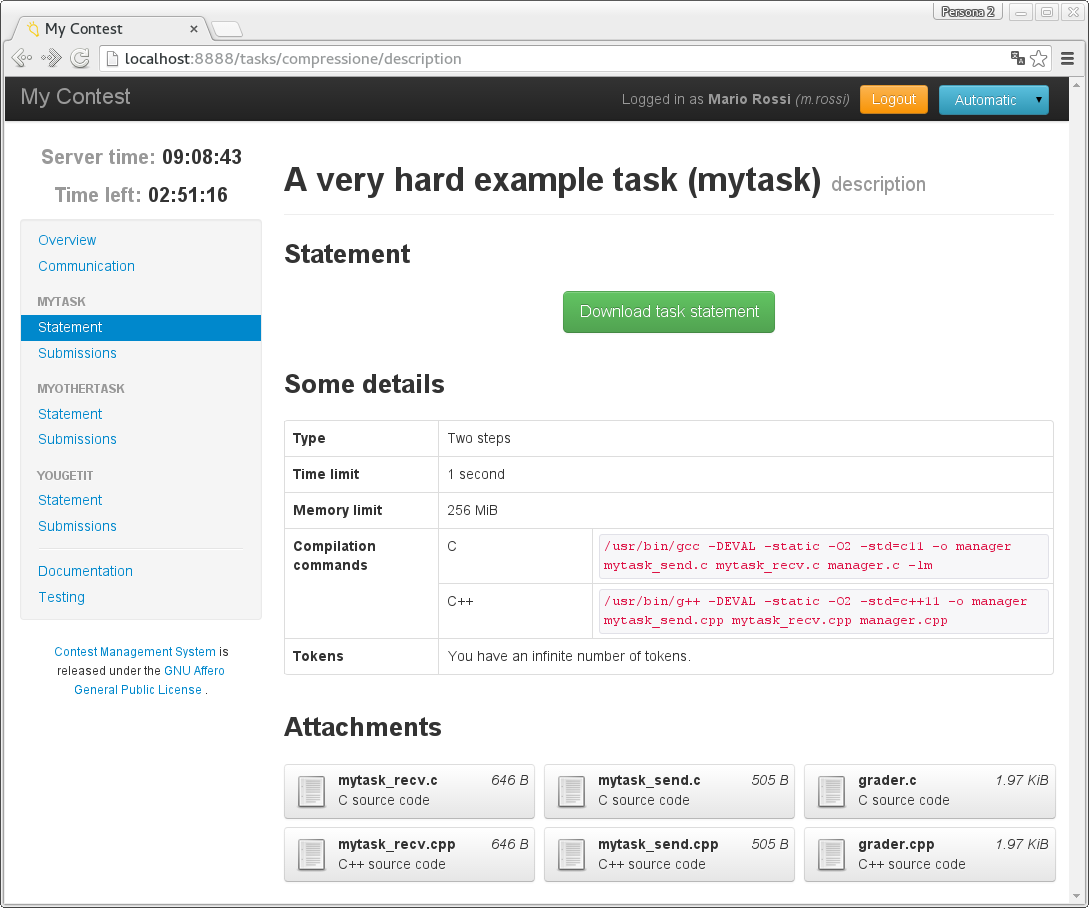
Upload test files of varying sizes and formats (PDF, video, images). Does the system reject them gracefully or crash? Check if there are hard limits on file size that might exclude valid entries. A broken upload flow means lost entries and angry participants.
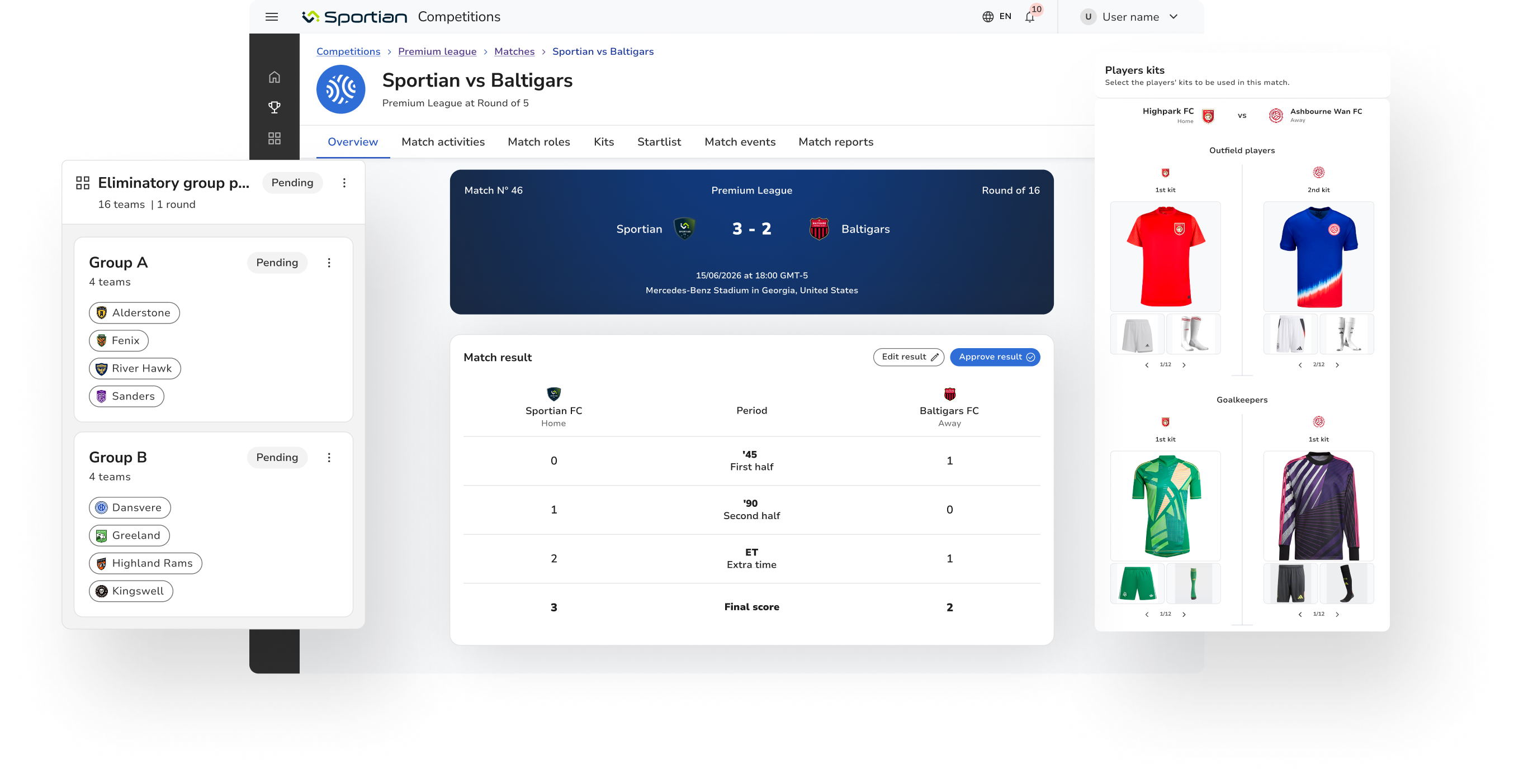
Enter test scores that exceed limits or leave fields blank. Does the platform flag these errors or calculate totals anyway? Complex scoring rules (weighted categories, tie-breakers) must be tested with real data, not just default values.

Trigger test emails for submission confirmations, judging assignments, and result notifications. Check spam folders. If judges don’t get their assignments, or winners don’t get their awards, the manual labor to fix it is huge.
Export a sample dataset after testing. Is the CSV clean? Are judge scores linked correctly to submissions? If you need to audit results later, you need clean, structured data. Platforms like Award Force offer robust export options for this reason.

As an Amazon Associate, we may earn from qualifying purchases.
Plan for ownership costs
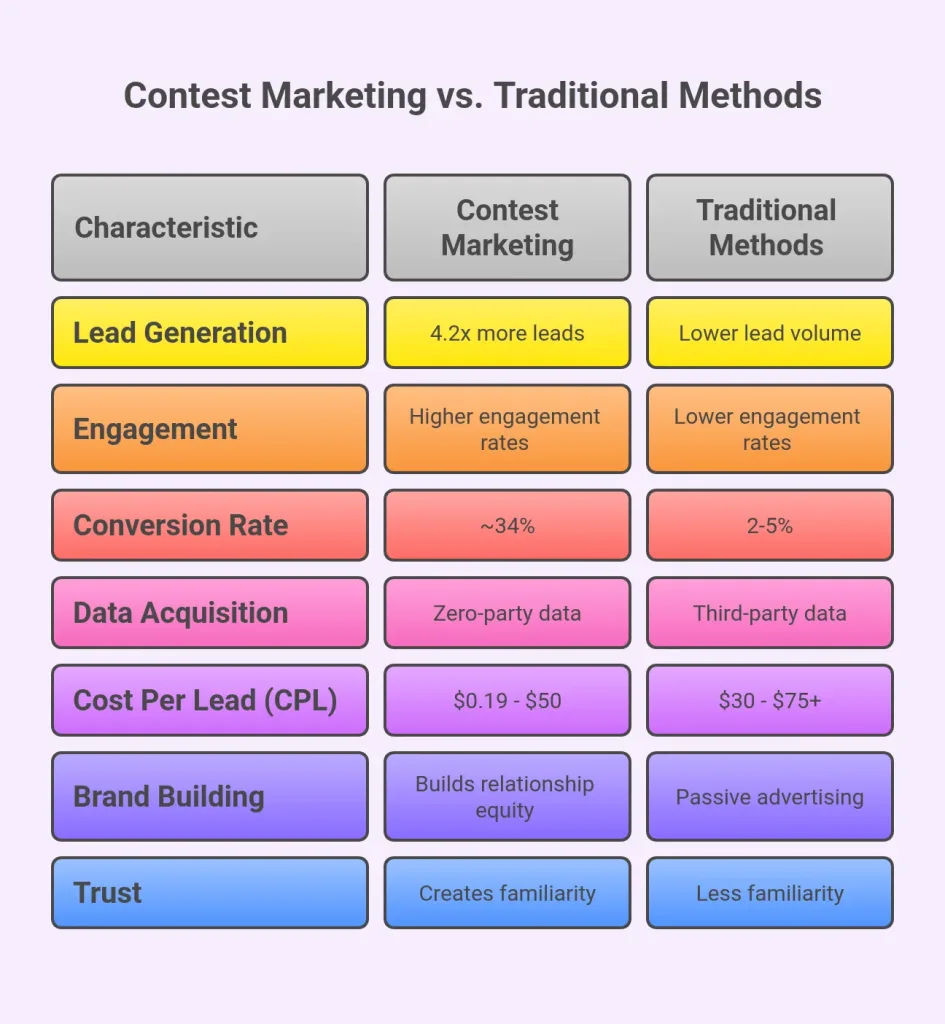
The sticker price of a contest management platform is rarely the final bill. While the initial subscription covers the software license, true ownership costs accumulate through implementation, customization, and ongoing maintenance. A $50 monthly tool can quickly become a $500 project if it requires custom API integrations or extensive developer time to connect with your existing CRM or payment gateways.
Maintenance surprises often appear in the form of data storage overages and user seat expansions. As your contest grows, you may hit limits on how many entries you can store or how many judges can access the system simultaneously. Many platforms charge per-active-user or per-entry beyond a certain threshold, turning a predictable expense into a variable one that spikes during peak seasons.
When a cheap buy stops being cheap is usually a question of scalability and support. Low-cost or free tiers often lack priority support, meaning downtime during a live judging window can cost more in lost reputation than a premium platform would have cost in fees. Additionally, migrating data out of a cheap, proprietary system later can be technically difficult or expensive, creating a "vendor lock-in" that forces you to pay up or start over from scratch.


As an Amazon Associate, we may earn from qualifying purchases.
The goal is to calculate the total cost of ownership (TCO) over three years, not just the first month. Include costs for training your team, integrating with other tools, and potential upgrade fees. A slightly higher upfront cost for a robust, scalable platform often pays for itself by reducing administrative headaches and technical debt down the line.
Contest management platform: what to check next
Choosing the right software depends on your specific workflow, budget, and scale. Below are answers to the most common questions about contest and competition management tools.
No comments yet. Be the first to share your thoughts!